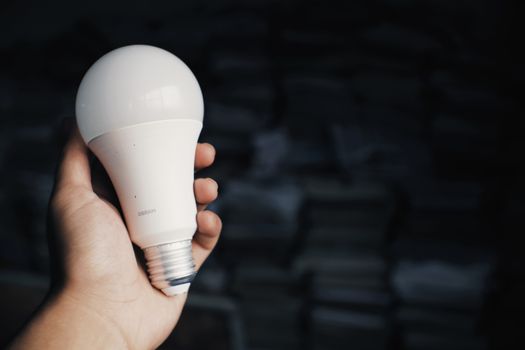
Lighting is more than just a practical necessity in the home; it’s a powerful tool that shapes mood, enhances functionality, and defines the aesthetic of every room. As LED technology continues to evolve, homeowners now have access to an incredible range of options, allowing them to tailor lighting schemes to match any desired atmosphere. But how do you choose the right LED lighting for different spaces and moods? This comprehensive guide explores the key factors and strategies to help you select LED lighting that perfectly complements each area of your home, ensuring both beauty and utility.
The Science Behind LED Lighting Atmosphere
To make the best choices for your home, it’s essential to understand the science behind LED lighting and how it influences atmosphere. LEDs (Light Emitting Diodes) stand out for their energy efficiency, longevity, and versatility, but what truly sets them apart is their control over two vital aspects: color temperature and color rendering.
Color temperature, measured in Kelvin (K), dramatically affects the mood of a room. Lower temperatures (2,700K–3,000K) produce warm, cozy light reminiscent of traditional incandescent bulbs, ideal for relaxation. Higher temperatures (4,000K–6,500K) emit cool, energizing light, suitable for tasks and alertness. According to a 2022 report by the U.S. Department of Energy, LEDs can save up to 75% more energy than incandescent lighting and last 25 times longer, making them a smart investment for any home.
.png)
Another critical factor is the Color Rendering Index (CRI), which indicates how accurately a light source displays colors. LEDs with a CRI of 80 or above are recommended for residential use, ensuring that your furnishings and décor look vibrant and true to life.
Matching LED Lighting to Room Functionality
Each room in your home serves a unique purpose, and the right LED lighting can enhance its function:
Living Room: This space often doubles as a place to relax and entertain. To create a welcoming, versatile environment, use dimmable warm white LEDs (2,700K–3,000K). Layer ambient lighting with accent fixtures, such as wall sconces or table lamps, to add depth and flexibility.
Kitchen: Kitchens demand bright, clear illumination for safe food preparation. Opt for cool white LEDs (4,000K–5,000K) with high CRI ratings around 90. Under-cabinet lighting provides focused task light, while recessed ceiling LEDs deliver even, shadow-free general illumination.
Bedroom: For restful sleep and relaxation, choose soft, warm LEDs (2,700K–3,000K). Consider installing LED strips behind headboards or under furniture for a gentle, indirect glow. Smart LED bulbs with adjustable color temperatures can help transition from energizing morning light to calming evening ambiance.
Bathroom: Bathrooms require both practical and flattering lighting. Use neutral white LEDs (3,500K–4,000K) around mirrors for accurate reflection. Waterproof LED fixtures are essential for wet areas like showers.
Home Office: Productivity thrives under bright, cool LEDs (4,000K–6,500K) that mimic daylight and reduce eye strain. Adjustable desk lamps with high CRI ratings support focused work, while dimmable overhead LEDs allow you to transition to softer light as needed.
Setting the Mood: Color Temperature and Dimming
The ability to adjust both color temperature and brightness gives LEDs a distinct advantage in creating atmosphere. Here’s how you can fine-tune the mood in different areas of your home:
Warm White (2,700K–3,000K): Perfect for cozy spaces like bedrooms and living rooms, this soft light encourages relaxation. It’s also flattering to skin tones, making it ideal for social gatherings.
Neutral White (3,500K–4,000K): This balanced color is a great all-purpose choice, offering clarity without harshness. It works well in kitchens, bathrooms, and home offices.
Cool White/Daylight (5,000K–6,500K): Use these crisp, bluish-white LEDs for laundry rooms, garages, home gyms, or anywhere focus and alertness are needed.
Dimmable LEDs: Installing dimmable fixtures or smart LED bulbs allows you to customize lighting intensity for any occasion. For example, you can brighten your dining room for family dinners, then dim the lights for a more intimate ambiance when entertaining guests.
Comparing LED Bulb Types for Home Atmosphere
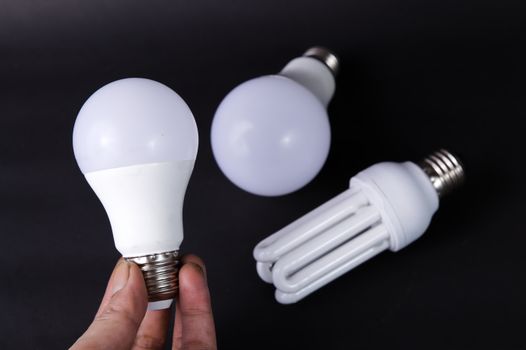
Not all LED bulbs are created equal. From classic A19 bulbs to innovative LED strips, each type offers unique benefits. The table below summarizes major LED bulb types, their common uses, and key considerations for atmospheric lighting:
| LED Type | Best For | Typical Color Temp Range (K) | Special Features |
|---|---|---|---|
| A19 Bulbs | General room lighting, lamps | 2,700–6,500 | Dimmable, fits standard sockets |
| BR30/BR40 Bulbs | Recessed ceiling fixtures | 2,700–5,000 | Wide beam angle, good for ambient light |
| LED Strips | Accent, under-cabinet, cove lighting | 2,700–6,500 (some RGB) | Flexible, color-changing options |
| Globe Bulbs (G25, G30) | Bathrooms, vanities | 2,700–4,000 | Soft, even light, decorative shape |
| Filament LEDs | Decorative fixtures, vintage look | 2,200–2,700 | Classic aesthetic, energy efficient |
Each bulb type offers atmospheric possibilities, from the sleek modernism of LED strips to the warm nostalgia of filament LEDs.
Smart LED Solutions for Dynamic Home Environments
Smart LED lighting has transformed the way we interact with our living spaces. With Wi-Fi or Bluetooth-enabled bulbs and fixtures, you can control brightness, color, and even scheduling from your smartphone or voice assistant.
Some popular features of smart LED systems include:
- Custom Scenes: Set up presets for movie night, bedtime, or parties with the touch of a button. - Color Changing: Many smart LEDs offer millions of hues. Create a vibrant, playful atmosphere in a playroom, or use calming blues and purples in a meditation corner. - Automation: Program your lights to gradually brighten in the morning or dim in the evening, supporting natural circadian rhythms. - Energy Monitoring: Track usage and optimize settings for maximum efficiency.According to Statista, the global smart lighting market was valued at $13.4 billion in 2022 and is projected to grow to $44.2 billion by 2030, reflecting the increasing demand for customizable, connected lighting solutions.
Practical Tips for Layering and Placement
Achieving the perfect atmosphere in each room isn’t just about bulb choice—it’s also about how and where you position your LED lighting:
Layered Lighting: Combine ambient (general), task, and accent lighting to add depth and flexibility. For example, pair ceiling LEDs with wall sconces and table lamps in the living room.
Focus on Focal Points: Highlight architectural features, artwork, or shelves with LED spotlights or strips. This draws the eye and creates visual interest.
Avoid Glare: Place LEDs behind diffusers or indirect fixtures to soften harsh light and prevent eye strain, especially in bedrooms and living rooms.
Adjustable Fixtures: Use track lighting or adjustable recessed LEDs to direct light exactly where you need it, adapting to changing tasks or moods.
Consider Color Consistency: Stick to a unified color temperature within each room for a harmonious look, but don’t be afraid to vary it between rooms to suit their different atmospheres.
Final Thoughts on Choosing LED Lighting for Home Atmospheres
Selecting the right LED lighting for your home is both an art and a science. By understanding color temperature, CRI, bulb types, and smart features, you can curate an environment that is both beautiful and functional. Whether you want a cozy retreat, an energizing workspace, or a vibrant gathering spot, LEDs provide the flexibility and efficiency to bring your vision to life. Remember to layer your lighting, consider the needs of each room, and don’t hesitate to experiment with smart technology for maximum impact. With thoughtful choices, your home lighting can truly set the stage for every moment.