The Link Between LED Lighting and Workplace Productivity: An In-Depth Look
The modern workplace is evolving rapidly, with open floor plans, flexible hours, and digital tools becoming the norm. Yet, while many companies invest in technology and office design, one often-overlooked factor has a surprisingly significant impact on employee productivity: lighting. In particular, LED lighting has emerged as a powerful tool for shaping workplace performance, focus, and well-being. But how exactly does LED lighting affect productivity in the workplace? Let’s explore the science, the numbers, and the real-world results.
The Science Behind Light and Human Performance
Lighting doesn’t just help us see — it directly influences our alertness, mood, and cognitive function. Research shows that light exposure regulates our circadian rhythms, the internal body clock that dictates our sleep-wake cycles, concentration, and even hormone release. When lighting is poorly designed—too dim, too harsh, or the wrong color temperature—it can lead to eye strain, drowsiness, and decreased work performance.
LED lighting stands out due to its tunability and consistency. Unlike outdated fluorescent or incandescent bulbs, LEDs can be adjusted for brightness and color temperature, allowing workplaces to simulate natural daylight more effectively. Studies have shown that exposure to lighting with a color temperature above 5000 Kelvin (which mimics daylight) boosts alertness and focus, while warmer light (below 3500 Kelvin) is more relaxing and suitable for break rooms.
.png)
According to a 2017 study published in the Journal of Environmental Health Science & Engineering, workplaces that switched to daylight-mimicking LED systems reported a 15% increase in employee productivity and a 25% decrease in errors compared to those with traditional lighting.
LED Lighting vs. Traditional Lighting: Productivity Outcomes
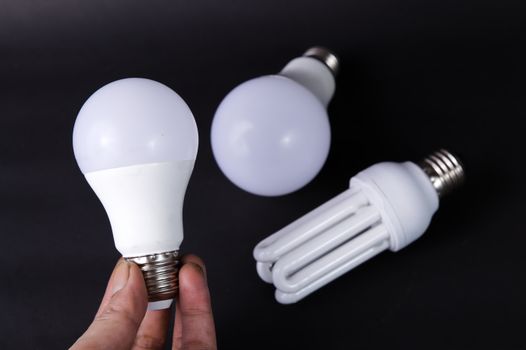
A growing body of evidence suggests that LED lighting offers distinct productivity advantages over fluorescent and incandescent options. To better understand these differences, consider the following comparison:
| Lighting Type | Average Lifespan (hours) | Color Temperature Range (Kelvin) | Productivity Impact | Energy Efficiency |
|---|---|---|---|---|
| LED | 50,000+ | 2,200 - 6,500 | Boosts alertness, reduces fatigue, supports circadian rhythm | 80-90% more efficient than incandescent |
| Fluorescent | 7,000 - 15,000 | 2,700 - 6,500 | Can cause glare, flicker, and headaches | 60-80% more efficient than incandescent |
| Incandescent | 1,000 - 2,000 | 2,700 - 3,000 | Low brightness, frequent replacements needed | Least efficient |
This table highlights that LED lighting not only lasts significantly longer but also offers a broader range of color temperatures, which is essential for tailoring workplace lighting to support productivity throughout the day.
Circadian Lighting: Supporting Natural Alertness Cycles
One of the most exciting advancements in LED technology is circadian lighting—dynamic systems that adjust color temperature and brightness in sync with the time of day. In the morning, cooler, blue-enriched light helps employees feel alert and ready to tackle complex tasks. As the day progresses, lighting can gradually shift toward warmer hues, supporting relaxation and reducing eye strain.
A 2019 Harvard Business Review survey found that employees working under circadian-tuned LED systems reported a 12% improvement in task accuracy and a 56% reduction in drowsiness after lunch. Furthermore, the American Society of Interior Designers notes that access to circadian lighting can cut absenteeism by up to 25%, as employees feel more energized and less prone to fatigue-related illnesses.
Real-world example: In 2021, a major tech company retrofitted its offices with tunable LED panels programmed to mimic the local sunrise and sunset. Within six months, their HR department reported a 21% drop in afternoon slump complaints and a statistically significant uptick in project completion rates.
Visual Comfort: Reducing Eye Strain and Headaches
Poor lighting is a leading cause of workplace discomfort. According to the Occupational Safety and Health Administration (OSHA), over 50% of office workers experience eyestrain, headaches, or blurred vision due to inadequate or harsh lighting. Flickering, glare, and inconsistent illumination are common culprits—problems often associated with fluorescent bulbs.
LED lighting, when properly installed, eliminates flicker and offers even illumination. Diffusers, dimmable features, and anti-glare designs further enhance visual comfort. A 2020 survey by the American Optometric Association found that offices using high-quality LED lighting reported a 33% decrease in employee complaints about eye discomfort.
Moreover, LED lighting can be tailored to task-specific needs: brighter, cooler lights for focus-intensive workstations, and softer, warmer tones for collaborative spaces. This flexibility reduces physical strain and helps accommodate employees with light sensitivities or specific visual needs.
Boosting Morale and Collaboration Through Light Quality
Workplace productivity isn’t just about completing tasks—it’s also about sustaining morale, fostering creativity, and encouraging teamwork. The right lighting can make a space feel more inviting and energizing, which in turn improves employee satisfaction and collaboration.
A 2022 study by the International WELL Building Institute found that employees working in environments with high-quality LED lighting were 18% more likely to rate their workplace as "pleasant" and 23% more likely to report feeling creatively inspired during brainstorming sessions.
Additionally, LED lighting can be integrated with smart controls, allowing teams to personalize lighting for meetings, presentations, or video calls. For example, a conference room equipped with adjustable LEDs can switch from bright, cool tones for focus to warmer, softer lighting for creative workshops—helping set the right mood for every occasion.
Economic and Environmental Impacts: Indirect Productivity Gains
Investing in LED lighting is not just about direct productivity improvements. The economic and environmental benefits also create a more stable and motivated workforce. LEDs use up to 90% less energy than incandescent bulbs and last up to 25 times longer, slashing maintenance costs and reducing workplace disruptions.
According to the U.S. Department of Energy, switching to LED lighting in commercial buildings can lower annual energy costs by $2.2 billion nationwide. For individual businesses, this translates into savings that can be reinvested in employee training, wellness programs, and facility upgrades—all of which can further enhance productivity.
From an environmental perspective, LEDs do not contain mercury (unlike many fluorescents) and reduce carbon emissions. Employees increasingly value sustainability; a 2021 Deloitte survey found that 49% of workers prefer employers who demonstrate environmental responsibility. This sense of purpose can contribute to higher retention and engagement rates.
Final Thoughts: How LED Lighting Transforms Workplace Productivity
The evidence is clear: LED lighting is not just a cost-saving upgrade—it’s a strategic investment in workplace productivity, well-being, and employee satisfaction. From supporting natural alertness cycles with circadian lighting to reducing eye strain and enhancing collaboration, the benefits of LEDs are both immediate and long-lasting.
As more businesses recognize the connection between light quality and human performance, expect to see continued innovation in LED systems, smart controls, and personalized lighting solutions. For any organization seeking to improve output, morale, and operational efficiency, investing in LED lighting is a bright idea—literally and figuratively.