Creating a stunning, inviting, and functional garden isn’t just about selecting the right plants or designing the perfect patio layout. Lighting plays a crucial role, transforming outdoor spaces into magical retreats after sunset. One of the most significant advancements in outdoor lighting is the widespread adoption of LED technology. In this article, we’ll explore the many benefits of using LED lighting in garden design, offer inspirational ideas, and provide actionable tips to elevate your outdoor haven.
The Evolution of Garden Lighting: Why LEDs Stand Out
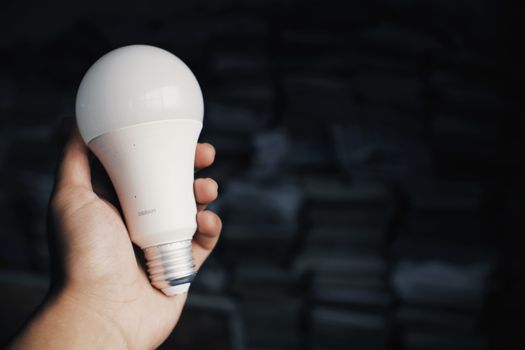
Garden lighting has evolved dramatically over the past two decades. Traditional halogen or incandescent bulbs, once the staple for outdoor illumination, have been overtaken by LEDs for good reason. According to the U.S. Department of Energy, LED bulbs use at least 75% less energy and last 25 times longer than incandescent lighting.
Not only do LEDs offer superior efficiency, but their versatility in color, form factor, and brightness makes them ideal for creative garden design. The ability to integrate LEDs into pathways, water features, or even plants themselves (with proper fixtures) means that designers and homeowners have unprecedented flexibility.
.png)
Furthermore, the environmental impact is significantly reduced with LEDs. A 2018 report by Statista found that if every American household replaced just one incandescent bulb with an LED, it would save enough energy to light 3 million homes for a year. This eco-friendly aspect is especially important for gardens, where harmony with nature is the goal.
Energy Savings and Longevity: A Clear Advantage
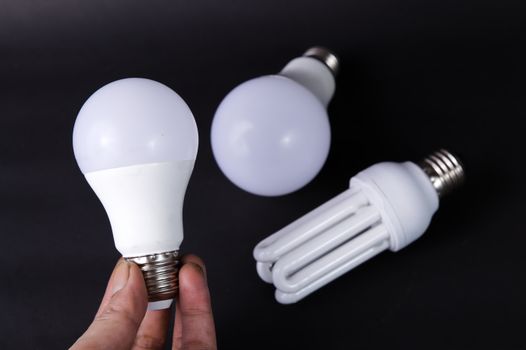
One of the main reasons homeowners and landscape designers are switching to LEDs is their exceptional efficiency and lifespan. Traditional outdoor bulbs typically last between 1,000 to 2,000 hours, whereas many outdoor-rated LED bulbs boast lifespans of 25,000 to 50,000 hours. This means less frequent replacements, less maintenance, and reduced waste.
Let’s look at a comparison:
| Lighting Type | Average Lifespan (hours) | Power Consumption (Watts for similar brightness) | Annual Operating Cost (est.) |
|---|---|---|---|
| Incandescent | 1,000 | 60W | $13.14 |
| Halogen | 2,000 | 43W | $9.43 |
| Compact Fluorescent (CFL) | 8,000 | 13W | $2.85 |
| LED | 25,000+ | 9W | $1.97 |
These figures, based on average U.S. energy prices and 3 hours of daily use, highlight how LED lighting is the clear winner for both cost and sustainability. In a large garden with multiple fixtures, the savings compound quickly—freeing up your budget for other improvements or plantings.
Creative Design Possibilities with LED Lighting
LED lights have revolutionized the possibilities for garden design. Their compact size, range of color temperatures, and ability to be dimmed or controlled remotely open the door to innovative lighting effects. Here are a few inspirational uses:
1. $1 Small, low-profile LED fixtures can be embedded along garden paths or steps, improving safety while adding a subtle glow. For example, bollard lights or recessed LEDs can outline a winding walkway, making evening strolls safer and more enchanting. 2. $1 LEDs are perfect for highlighting specimen trees, sculptures, or water features. With adjustable color temperatures—ranging from warm (2700K) to cool daylight (5000K)—you can create dramatic contrasts or soft washes that bring out the textures of bark, stone, or foliage. 3. $1 RGB LED fixtures allow for seasonal changes or event-specific color themes. Imagine switching your garden’s mood from a soft white for everyday relaxation to vibrant hues for a summer party—all with the tap of a smartphone app. 4. $1 Modern LED strips or puck lights can be seamlessly integrated into pergolas, benches, or planters. This indirect lighting creates a sense of depth and dimension, making even small gardens feel expansive and layered.A notable example comes from the 2019 Chelsea Flower Show, where award-winning gardens used color-tunable LEDs to mimic the effect of dawn and dusk, enhancing both the appearance and health of certain plant species.
Environmental Benefits: Supporting Sustainable Garden Design
Eco-conscious gardening is more popular than ever, and lighting choices play a big role in overall sustainability. LED lighting supports green garden design in several ways:
- $1 Because LEDs use a fraction of the energy of traditional bulbs, they contribute significantly less to greenhouse gas emissions. A single 10W LED replacing a 60W incandescent can save approximately 400 pounds of CO2 over its lifetime, according to the Environmental Protection Agency. - $1 LEDs with precise optics and shielding can focus light exactly where it’s needed, reducing light spillage into the night sky. This is important for preserving nocturnal wildlife habitats and maintaining the beauty of the stars. - $1 LEDs are free of toxic elements like mercury, which is found in some CFLs. Their long lifespan means fewer bulbs end up in landfills, and many LED components are recyclable.By choosing LED lighting, you’re not just saving money—you’re promoting a healthier, more sustainable outdoor environment.
Practical Tips for Installing LED Lighting in Gardens
A well-lit garden is both beautiful and functional, but getting the most out of your LED system requires some planning. Here are some practical tips for success:
1. $1 Walk your garden at dusk and note where you need light for safety, ambiance, or highlighting features. Sketch a rough plan before purchasing fixtures. 2. $1 Warm white (2700K-3000K) is ideal for cozy seating areas, while cooler whites (4000K-5000K) can be used for task lighting or modern designs. Mixing temperatures can help create zones and depth. 3. $1 Many modern LED systems can be operated via timers, motion sensors, or smartphone apps. Smart controls can help you save energy and easily adjust lighting scenes. 4. $1 While low-voltage LED systems are safe and easy to install, make sure you have access to outdoor-rated transformers and weatherproof wiring. 5. $1 Combine different types of fixtures—spotlights, path lights, strip lights—to create a balanced, layered effect. Avoid over-lighting, which can wash out natural beauty and waste energy. 6. $1 For complex installations, such as integrating LEDs into water features or hardscape, consulting a landscape lighting specialist can ensure safety and optimal results.Inspiration: LED Lighting Ideas for Every Garden Style
Looking for fresh ideas to spark your creativity? Whether your garden is a small urban plot or a sprawling country retreat, LED lighting can elevate its design. Here are a few garden styles and how LEDs can enhance them:
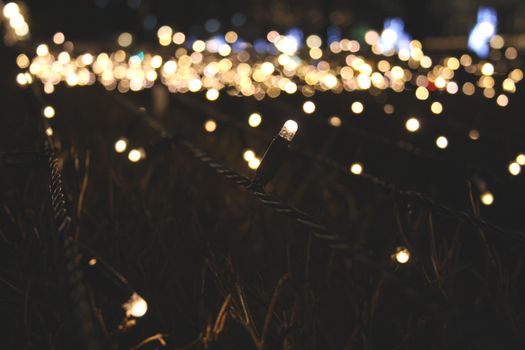
- $1 Use warm white LED fairy lights draped through climbing roses or wisteria for a storybook effect. Small stake lights along meandering paths add a gentle, welcoming glow. - $1 Install recessed LED strip lights along the edges of patios or under floating benches. Cool white illumination highlights clean lines and geometric shapes. - $1 Use low-level LED spotlights to accentuate stone lanterns, water basins, or bamboo groves. Choose fixtures with narrow beams to mimic the effect of moonlight. - $1 Opt for shielded, downward-facing LEDs to minimize disruption to nocturnal animals. Motion-activated lights only turn on when needed, preserving dark zones for wildlife. - $1 RGB LED strips built into pergolas or decking can set the mood for parties, while durable LED lanterns provide portable illumination for dining areas.Case in point: In a 2022 survey by the American Society of Landscape Architects, 73% of professionals ranked LED lighting as the top requested garden feature, citing its adaptability and design flexibility.
Final Thoughts on Using LED Lighting in Garden Design
LED lighting isn’t just a smart financial or environmental choice—it’s a powerful design tool that transforms gardens after dark. With their energy savings, long life, and creative versatility, LEDs empower homeowners and designers to craft outdoor spaces that are safe, sustainable, and visually stunning.
Whether you’re dreaming of a romantic retreat, a modern entertaining hub, or a wildlife-friendly oasis, there’s an LED solution to fit your needs. By planning thoughtfully and exploring the latest technology, you can bring your garden to life every night of the year.