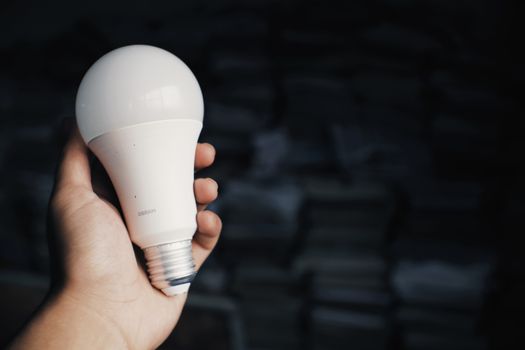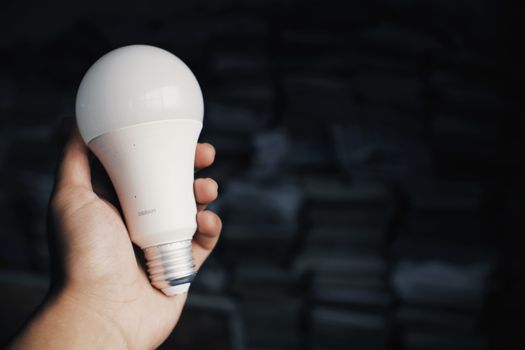
LED lamps are celebrated for their energy efficiency, long lifespan, and low environmental impact. With the global LED lighting market projected to reach $135 billion by 2027, LEDs have become the new standard in homes and businesses alike. However, despite their robust design and impressive durability, the longevity of LED lamps isn’t guaranteed by default. Proper care, usage, and maintenance play a crucial role in ensuring that your LED lamps reach—if not exceed—their advertised lifespan, which can range from 15,000 to over 50,000 hours. In this guide, we’ll explore the best practices for caring for your LED lamps, common mistakes to avoid, and how to maximize your investment for bright, reliable lighting for years to come.
Understanding LED Lamp Longevity: Beyond the Basics
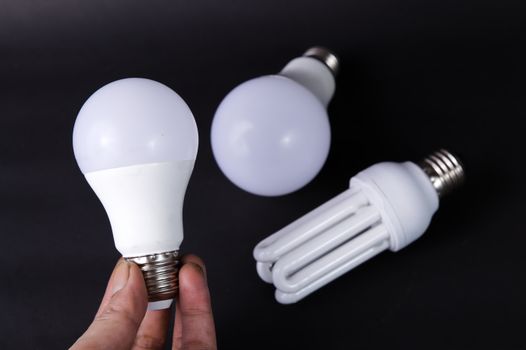
LEDs (Light Emitting Diodes) are fundamentally different from traditional incandescent or fluorescent bulbs. While conventional bulbs generate light by heating filaments or exciting gases, LEDs use a semiconductor to produce light, resulting in far less energy lost as heat. This translates to lifespans that are 10-25 times longer than incandescent bulbs.
Yet, several factors influence how long an LED lamp actually lasts:
.png) - $1 LEDs are sensitive to heat. Excessive temperatures can degrade internal components, reducing lifespan.
- $1 Fluctuations or surges in power supply can damage the driver electronics in LED lamps.
- $1 While LEDs are less affected by frequent switching than fluorescent bulbs, rapid cycling can still impact certain models, especially poorly designed ones.
- $1 Dust, moisture, and vibration can all affect LED performance over time.
- $1 LEDs are sensitive to heat. Excessive temperatures can degrade internal components, reducing lifespan.
- $1 Fluctuations or surges in power supply can damage the driver electronics in LED lamps.
- $1 While LEDs are less affected by frequent switching than fluorescent bulbs, rapid cycling can still impact certain models, especially poorly designed ones.
- $1 Dust, moisture, and vibration can all affect LED performance over time.
According to the U.S. Department of Energy, with ideal conditions, a typical LED lamp can last over 25,000 hours, equating to about 17 years of daily use (4 hours per day). However, poor care can easily cut this figure in half.
Optimal Installation: The Foundation for Long Life
Proper installation is the first step in ensuring your LED lamps operate at peak performance for as long as possible. Start by selecting a lamp that matches the intended fixture and environment:
- $1 Not all fixtures are suitable for LEDs. For example, enclosed fixtures can trap heat, leading to premature failure. Always check lamp specifications for compatibility. - $1 Ensure the LED lamp matches the voltage of your power supply (e.g., 120V or 240V). Using the wrong voltage can permanently damage the lamp. - $1 Loose sockets or improper fitting can cause arcing or flickering, which may degrade the electronics inside the lamp.For outdoor or damp locations, choose lamps with appropriate IP (Ingress Protection) ratings. An IP65 rating, for instance, means the lamp is dust-tight and protected against water jets, making it suitable for exposed areas.
Managing Heat: The Silent Enemy of LEDs
Unlike incandescent bulbs, LEDs don’t get hot to the touch, which can make it easy to underestimate the impact of heat buildup. However, all LED lamps have internal components—such as drivers and heat sinks—that can degrade if temperatures climb too high.
Key ways to manage heat include:
- $1 Avoid installing LED lamps in enclosed fixtures unless they are specifically rated for such use. Adequate airflow around the lamp is vital. - $1 LEDs perform best in cooler environments. For areas prone to high heat (like attics or kitchens), choose lamps designed for higher ambient temperatures. - $1 Dust accumulation can insulate heat and impede airflow, causing temperatures to rise. Wipe down fixtures and lamps as part of your regular cleaning routine.Data from the American Lighting Association shows that maintaining optimal operating temperatures can extend LED lifespan by up to 30%.
Electrical Quality: Protecting Against Power Surges and Fluctuations
LED lamps contain sensitive electronic circuits that convert your home’s AC voltage to the low-voltage DC current needed by the diode. These components are vulnerable to voltage fluctuations, which can arise from lightning strikes, grid switching, or faulty wiring.
To safeguard your LEDs:
- $1 Especially important in areas with unstable power grids or frequent storms, surge protectors can absorb sudden spikes that would otherwise damage your lamps. - $1 Ensure that your fixtures and switches are properly grounded and up to code. Faulty wiring is a major cause of premature LED failure. - $1 Only use dimmers that are explicitly rated for LEDs. Using incompatible dimmers can cause flickering, buzzing, or damage.According to the National Electrical Manufacturers Association (NEMA), up to 15% of LED failures are attributed to electrical issues that could have been prevented with proper precautions.
Cleaning and Handling: Keeping LEDs in Top Shape
While LEDs require less maintenance than traditional bulbs, they still benefit from occasional care. Dust, grime, and fingerprints can affect both the quality of light and the lamp’s ability to dissipate heat.
Best practices for cleaning and handling include:
- $1 Always switch off the lamp and allow it to cool before cleaning. - $1 For most cleaning, a microfiber or lint-free cloth is sufficient. Avoid using water or cleaning sprays directly on the lamp. - $1 When installing or removing, grip the lamp by its base, not the glass or lens, to avoid damaging components.For specialty LED lamps (such as those with integrated smart controls), consult the manufacturer’s recommendations for cleaning and maintenance.
Comparing LED Lamp Lifespan: Factors That Make a Difference
To better illustrate how various care and environmental factors impact the longevity of LED lamps, consider the following comparison:
| Condition | Expected Lifespan (Hours) | Common Issues |
|---|---|---|
| Optimal installation & environment | 25,000 – 50,000 | Minimal degradation, full rated lifespan |
| Enclosed fixtures (poor ventilation) | 10,000 – 18,000 | Heat buildup, early driver failure |
| Frequent power surges | 8,000 – 15,000 | Driver or electronic failure |
| Dirty or dusty environment | 15,000 – 22,000 | Reduced cooling, dimming over time |
| Wrong dimmer or poor wiring | 5,000 – 12,000 | Flicker, buzzing, premature failure |
This data underscores the importance of proper care and suitable installation for maximizing the value of your LED investment.
Smart Usage Habits: Getting the Most from Your LEDs
Finally, your everyday habits can have a significant impact on how long your LED lamps last. Consider these proven tips:
- $1 While LEDs are resilient, excessive on-off cycling can still stress internal components. If you plan to return to a room within a few minutes, leave the light on. - $1 Operating LEDs at lower brightness levels (with compatible dimmers) can reduce heat and extend lifespan. - $1 Never install an LED lamp with a higher wattage than the fixture is rated for, even if the LED itself is energy-efficient. - $1 Every 6-12 months, inspect your lamps for signs of dimming, flickering, or discoloration. Early detection can prevent larger issues.An Energy Star study found that LEDs used with proper dimmers and in optimal environments retained over 90% of their initial brightness after 20,000 hours of use.
Final Thoughts on Caring for LED Lamps
LED lamps offer unparalleled efficiency and longevity, but even the best LEDs are not immune to the effects of poor installation, harsh environments, or neglect. By understanding the specific needs of your LED lamps—managing heat, protecting against electrical issues, and practicing smart usage habits—you can confidently expect your lamps to shine for decades. With global energy demands rising and sustainability more important than ever, maximizing the lifespan of your LEDs is a simple, effective way to save money, reduce waste, and enjoy high-quality lighting every day.