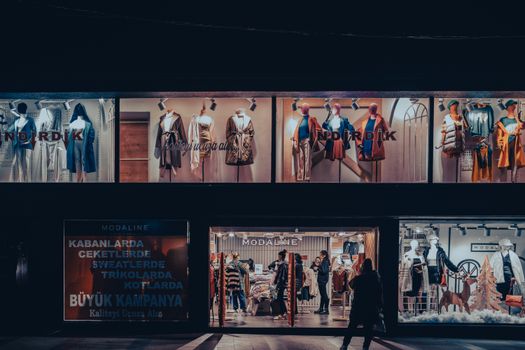
Retail environments are meticulously crafted to entice, guide, and convert shoppers. Among the most influential elements in a store’s design is lighting, which goes far beyond mere illumination. In recent years, LED lighting has emerged as a transformative tool for retailers, offering not only energy efficiency but also powerful ways to enhance product presentation and, ultimately, boost sales. But how exactly does LED lighting affect the way products look in a store? And what strategies can retailers use to make the most of this technology? This article explores the science, strategy, and best practices behind using LED lighting to present products in the best possible light—literally and figuratively.
The Science Behind LED Lighting and Visual Perception
Before diving into practical tips, it’s important to understand why lighting—especially LED lighting—has such a profound impact on product presentation. Human eyes perceive color, texture, and detail based on how surfaces reflect or absorb light. Factors like color temperature, color rendering index (CRI), and intensity all play a role in shaping how merchandise appears.
LED lighting offers a high degree of control over these variables:
.png) - $1: Measured in Kelvins (K), this defines whether light appears warm (yellowish, around 2700K-3000K), neutral (around 4000K), or cool (bluish, 5000K-6500K). Each temperature can evoke different moods and affect how colors are perceived.
- $1: This 0-100 scale measures how accurately a light source reveals the true colors of objects. LEDs with a CRI above 80 are considered good, but premium LEDs offer CRIs of 90 or higher, making colors appear vibrant and authentic.
- $1: LEDs are naturally directional, allowing retailers to highlight specific displays or products more efficiently than traditional omnidirectional bulbs.
- $1: Measured in Kelvins (K), this defines whether light appears warm (yellowish, around 2700K-3000K), neutral (around 4000K), or cool (bluish, 5000K-6500K). Each temperature can evoke different moods and affect how colors are perceived.
- $1: This 0-100 scale measures how accurately a light source reveals the true colors of objects. LEDs with a CRI above 80 are considered good, but premium LEDs offer CRIs of 90 or higher, making colors appear vibrant and authentic.
- $1: LEDs are naturally directional, allowing retailers to highlight specific displays or products more efficiently than traditional omnidirectional bulbs.
According to a 2022 study by the Illuminating Engineering Society (IES), stores with high-CRI LED lighting saw a 12% increase in perceived product quality and a 9% boost in customer dwell time compared to those using older fluorescent fixtures.
Impact of LED Lighting on Product Colors and Textures
One of the most immediate and noticeable effects of LED lighting is its ability to enhance or distort product colors and textures. For retailers, this can mean the difference between merchandise that entices versus merchandise that gets overlooked.
1. $1: High-CRI LEDs reveal subtle color differences, making red apples look more appealing, blue jeans more vibrant, and cosmetics true to their shade. In fashion and grocery retail, where color accuracy is critical, LEDs with CRI ratings of 90+ are increasingly the standard. 2. $1: Directional LED lighting can be used to accentuate the texture of products—such as the grain of wood in furniture, the shimmer of jewelry, or the freshness of produce—by casting gentle shadows or highlights. 3. $1: Unlike some older lighting technologies, LEDs emit minimal UV radiation, reducing the risk of fading for fabrics, artwork, and packaging.A practical example comes from a major European grocery chain that switched to high-CRI LED lighting in its produce section. Sales of fresh fruit and vegetables increased by 8% within three months, attributed mainly to the improved visual appeal.
Strategic Placement: Layering and Zoning with LEDs
LED lighting’s flexibility enables retailers to use advanced strategies like layering and zoning, which enhance the shopping experience and direct customer attention.
- $1: This involves combining ambient, accent, and task lighting. For example, general ambient lighting sets the overall mood, while accent LEDs draw attention to featured products or promotional displays. Task lighting can be used at checkout counters or fitting rooms for functional purposes. - $1: LEDs can be used to create distinct zones within a store. Warm lighting may be chosen for cozy, relaxed areas, while cooler lighting can energize spaces or highlight technology products.Consider a department store that uses warm, ambient LED lighting in its home goods section to create a welcoming environment, while using brighter, cooler accent LEDs in the electronics area to emphasize modernity and clarity.
Dynamic LED Lighting: Adapting to Seasons and Promotions
One of the lesser-known strengths of LED lighting is its programmability. Unlike traditional bulbs, many modern LED systems can shift color temperature, brightness, or even hue at the touch of a button—or automatically, using a pre-set schedule.
- $1: Retailers can use warmer tones in winter to evoke coziness, and cooler, crisper lighting in summer for a refreshing feel. - $1: Lighting scenes can be adjusted for special events, sales, or new product launches. Dynamic LEDs can even create movement, such as a slow pulse or color shift, to draw attention to a new arrival. - $1: Some stores use lighting that shifts throughout the day, mimicking natural sunlight patterns to keep customers comfortable and alert.In a 2021 case study, a cosmetics retailer reported a 15% increase in sales during promotional events after installing programmable LED lighting that matched the colors of featured products.
Comparing LED Lighting to Traditional Store Lighting
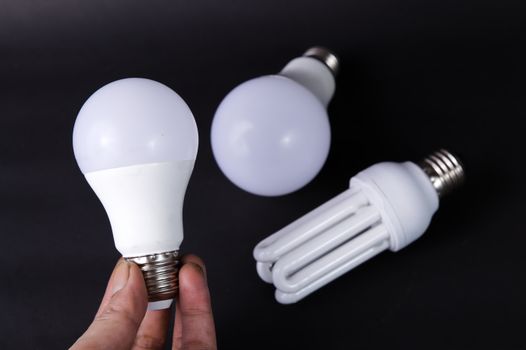
To highlight the advantages of LED lighting for product presentation, let’s compare LEDs with older lighting technologies commonly found in retail—such as fluorescent and halogen lamps.
| Feature | LED Lighting | Fluorescent Lighting | Halogen Lighting |
|---|---|---|---|
| Color Rendering Index (CRI) | 80-98 (excellent) | 75-85 (fair to good) | 95-100 (excellent, but high heat) |
| Color Temperature Options | 2700K–6500K+ | 3000K–6500K | 2700K–3200K |
| UV Emission | Minimal | Moderate | High |
| Directional Control | Excellent | Poor | Good |
| Energy Efficiency | Up to 80% savings over halogen | About 30% less efficient than LED | Least efficient |
| Heat Output | Very low | Moderate | Very high |
| Lifespan | 30,000–50,000 hours | 7,000–15,000 hours | 2,000–4,000 hours |
Notably, LEDs combine the best elements of color rendering, energy savings, and longevity, while minimizing product-damaging UV emissions and heat.
Tips for Retailers: Maximizing Product Appeal with LED Lighting
With the science and strategy in mind, how can retailers apply these insights to their stores? Here are actionable tips for optimizing product presentation with LED lighting:
1. $1: For fashion, cosmetics, food, and art, prioritize LEDs with a CRI of 90 or above to display true, vibrant colors. 2. $1: Test different color temperatures to see which best complements your products. Warm whites (2700K–3000K) are often ideal for clothing and home goods, while cool whites (4000K–5000K) can make electronics and jewelry sparkle. 3. $1: Install adjustable LED spotlights to focus on new arrivals, bestsellers, or high-margin products. This draws the eye and can increase sales of featured items. 4. $1: Position directional LEDs at an angle to showcase the texture of products like leather goods, fresh produce, or baked items. 5. $1: Use diffusers or frosted LED panels to create even light, especially in areas where customers interact closely with products. 6. $1: Invest in programmable LED systems that allow for easy changes in lighting scenes for promotions, seasons, or different times of day.According to the U.S. Department of Energy, retailers who upgraded to LED lighting saw not only a 40% reduction in energy costs but also reported higher shopper satisfaction and increased average transaction values.
Final Strategies for Retailers Embracing LED Lighting
LED lighting is no longer just about saving on utility bills or going green—it’s a crucial tool for shaping how customers perceive and interact with products. By carefully choosing LED fixtures with the right specifications and using strategic placement and programming, retailers can create a visually engaging environment that highlights their merchandise at its very best.
The flexibility and precision of modern LED systems empower stores to adapt quickly to trends, seasons, and promotions, helping them stay competitive in a rapidly evolving retail landscape. As lighting technology continues to advance, those who invest thoughtfully in LED solutions will find themselves better positioned to attract, delight, and retain customers.