The Impact of LED Lighting on Mood and Psychology: Insights from Research and Practical Tips
Few modern innovations have transformed our daily environments as profoundly as LED lighting. Once prized primarily for their energy efficiency and long lifespan, LEDs are now recognized for their subtle yet powerful influence on human mood, cognitive performance, and psychological well-being. As homes, offices, and public spaces increasingly rely on LED technology, understanding how these lights affect our mental state is more important than ever.
Recent psychological studies have revealed that the color temperature, brightness, and even flicker of LED lights can significantly shape our emotions, focus, and even social interactions. This article delves into the science behind LED lighting and mood, highlights key research findings, and provides actionable tips for using LED lighting to support psychological health.
.png)
The Science Behind Light and Human Psychology
Humans are biologically wired to respond to light. Our circadian rhythms—the natural, internal clocks that regulate sleep, hormones, and alertness—are heavily influenced by exposure to different types of light. For centuries, people lived in harmony with the sun’s natural cycle, but electric lighting, and now LEDs, have given us unprecedented control over our environments.
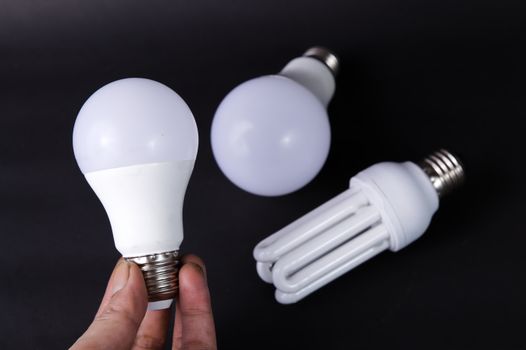
LEDs differ from traditional incandescent and fluorescent bulbs in several crucial ways. They emit light at specific wavelengths, can be tuned to various color temperatures, and have minimal heat output. These attributes allow for customized lighting solutions tailored to mood and psychological needs.
A study published in the journal "Lighting Research & Technology" (2018) found that individuals exposed to cooler, blue-enriched LED lighting during the day experienced higher alertness and better cognitive performance compared to those under warmer or dimmer lights. Conversely, exposure to bright, cool lights in the evening can disrupt melatonin production and negatively impact mood and sleep quality.
Color Temperature: How Light Tone Influences Emotions
One of the most influential aspects of any light source is its color temperature, measured in Kelvins (K). Color temperature determines whether a light appears warm (yellowish), neutral, or cool (bluish).
- Warm white (2,700K–3,000K): Mimics sunrise and sunset, creating a cozy, relaxing atmosphere. Often used in living rooms and bedrooms. - Neutral white (3,500K–4,100K): Balanced and natural, suitable for kitchens and workspaces. - Cool white (5,000K–6,500K): Resembles daylight, boosting alertness and focus; favored in offices and commercial settings.Research reported in "Psychological Science" (2014) demonstrated that participants in warm-lit environments reported feeling calmer and more comfortable, while those in cool-lit settings felt more energized but also sometimes more stressed. This suggests that choosing the right LED color temperature is essential for supporting the desired mood in each space.
The Psychological Effects of LED Brightness and Flicker
The intensity (brightness) and quality (flicker) of LED lighting also affect psychological well-being. LEDs can be dimmed to various levels, allowing for flexible adjustment depending on the time of day and activity.
- Brightness: High illuminance levels have been associated with increased concentration and alertness, especially during the daytime. For instance, a 2016 study in the "Journal of Environmental Psychology" found that office workers exposed to higher levels of LED lighting reported a 15% improvement in attention and task performance. - Flicker: While most modern LEDs have minimal flicker, cheaper or outdated models can produce subtle, rapid changes in intensity. Prolonged exposure to flickering light has been linked to eyestrain, headaches, and even mood disturbances in sensitive individuals.For optimal mood regulation, experts recommend using high-quality, flicker-free LEDs and adjusting brightness throughout the day. Bright, cool-white light in the morning can help boost alertness, while dimmer, warmer light in the evening supports relaxation and winding down.
LED Lighting and Social Interaction: Creating the Right Atmosphere
Lighting doesn't just affect our individual moods; it also shapes how we interact with others. The psychological impact of lighting extends to hospitality, retail, and even healthcare settings.
A notable 2019 study by the University of Groningen found that restaurants and cafes with warmer LED lighting reported higher customer satisfaction and perceived friendliness among patrons. Conversely, cooler lighting was associated with faster turnover and a more business-like atmosphere. In healthcare environments, carefully chosen LED lighting has been shown to reduce anxiety and improve patient outcomes.
Below is a comparison table summarizing psychological responses to different LED lighting conditions:
| Lighting Parameter | Typical Setting | Psychological Effect | Supporting Study |
|---|---|---|---|
| Warm White (2700K-3000K) | Living room, restaurant | Calm, relaxed, social comfort | Psychological Science, 2014 |
| Cool White (5000K-6500K) | Office, commercial | Alertness, focus, sometimes stress | Lighting Research & Technology, 2018 |
| High Brightness (>1000 lux) | Workspaces | Improved attention, mental activity | Journal of Environmental Psychology, 2016 |
| Flicker-free LEDs | All environments | Reduced eyestrain, better mood | British Journal of Ophthalmology, 2015 |
Harnessing LED Lighting for Better Mood: Practical Tips
With the science in mind, you can tailor LED lighting at home and work to support your psychological well-being. Here are practical tips based on current research:
1. $1: Use warm white LEDs (2,700K–3,000K) in bedrooms and living areas to promote relaxation. Reserve cooler, daylight-like LEDs (5,000K–6,500K) for spaces where you need to concentrate, such as a home office or study area. 2. $1: Mimic natural daylight by installing dimmable LEDs and adjusting them as the day progresses. Bright light in the morning increases alertness, while dimmer light in the evening helps signal your body to wind down. 3. $1: Always check product specifications for flicker rates. Reputable brands typically advertise flicker-free technology, which is especially important if you’re prone to migraines or spend long hours indoors. 4. $1: Smart LED systems, such as Philips Hue or LIFX, allow you to change color temperature and brightness automatically based on pre-set schedules or your personal preferences. 5. $1: In areas meant for socializing—like dining rooms or lounges—opt for warmer lighting to foster conversation and connection. For tasks that require focus, such as cooking or office work, cooler and brighter LEDs are more effective.New Frontiers: LED Lighting in Mental Health and Therapy
Beyond everyday settings, researchers are exploring how tailored LED lighting can be used therapeutically. Light therapy using high-intensity, blue-enriched LEDs has become a standard treatment for Seasonal Affective Disorder (SAD), a form of depression triggered by a lack of natural daylight during winter months.
A 2021 meta-analysis published in "Frontiers in Psychiatry" concluded that daily exposure to bright, cool-white LED light can significantly reduce depressive symptoms in people with SAD, with response rates as high as 60%. Hospitals and care homes are also experimenting with dynamic LED systems that shift color temperature and brightness throughout the day to help regulate the sleep-wake cycles of patients with dementia or chronic illnesses.
Furthermore, LED lighting is being integrated into wellness centers, yoga studios, and even virtual reality environments to create immersive, mood-supporting experiences.
Final Thoughts on LED Lighting, Mood, and Psychological Well-being
The shift to LED lighting isn’t just about saving electricity or reducing environmental impact—it also offers a powerful tool for shaping how we feel, think, and interact. As scientific understanding deepens, it’s clear that the right selection and use of LED lighting can enhance mood, improve mental performance, and foster positive social environments.
By considering factors like color temperature, brightness, and flicker, and employing smart lighting controls, anyone can use LED technology to support their psychological health. Whether at home, in the workplace, or in public spaces, the science of light and mood is illuminating new paths to well-being.