LED lighting has rapidly become a cornerstone of modern, energy-efficient homes. Beyond simple cost savings, LEDs offer a profound opportunity for households to champion sustainability. The global push for greener living has placed a spotlight on how our daily choices, right down to the bulbs illuminating our rooms, can help reduce environmental footprints. But how exactly does LED lighting contribute to sustainability in households—and what further benefits and opportunities does it unlock?
Understanding LED Lighting and Its Environmental Impact
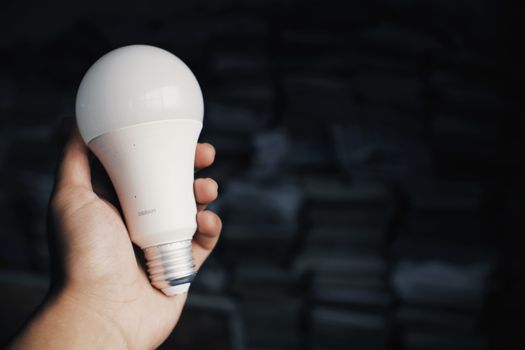
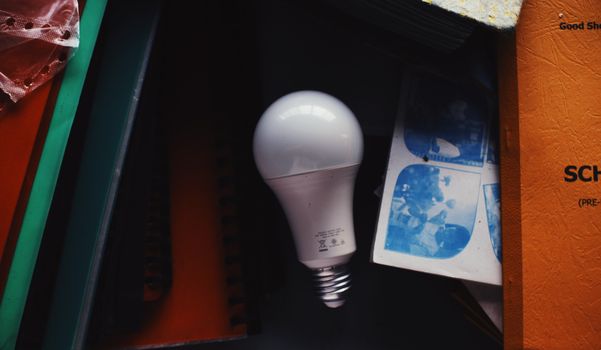
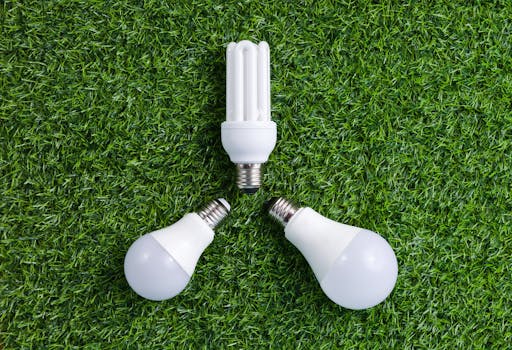
Light Emitting Diodes (LEDs) have revolutionized how we light our homes. Unlike traditional incandescent or compact fluorescent lamps (CFLs), LEDs use semiconductors to produce light far more efficiently. According to the U.S. Department of Energy, LED bulbs use at least 75% less energy and last up to 25 times longer than incandescent lighting.
This leap in efficiency means that widespread adoption of LED technology can have a dramatic effect on household energy consumption. The International Energy Agency (IEA) estimated in 2022 that if all households in the world switched to LED lighting, global electricity demand for lighting could be reduced by more than 50%. This reduction would equate to a significant decrease in greenhouse gas emissions, as less electricity usage means less fossil fuel burned at power plants.
.png)
Direct Household Benefits: More Than Just Energy Savings
The most immediate and tangible benefit of LED lighting in homes is the dramatic drop in energy bills. For example, replacing 10 incandescent bulbs with LEDs can save a typical household up to $225 annually, according to ENERGY STAR. But the benefits go further:
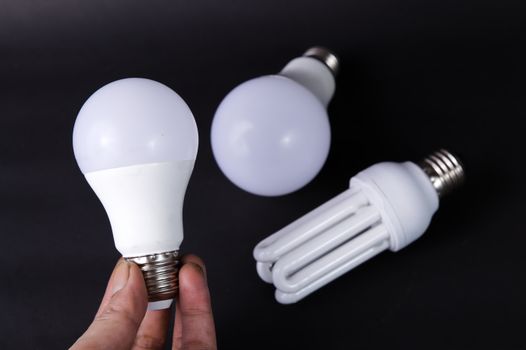
- $1: LEDs typically last 15,000-50,000 hours, compared to just 1,000 hours for incandescent bulbs and 8,000-10,000 hours for CFLs. This reduces the frequency of replacements and the associated waste. - $1: LEDs emit very little heat. Incandescent bulbs release 90% of their energy as heat, which can increase cooling costs in warmer months. By contrast, LEDs help keep homes cooler and reduce the load on air conditioning systems. - $1: Modern LEDs provide excellent color rendering and a variety of color temperatures, making them suitable for every room and mood.The table below compares the key differences among common household lighting options:
| Lighting Type | Average Lifespan (Hours) | Energy Use (Watts) | Annual Cost (per bulb) | Mercury Content |
|---|---|---|---|---|
| Incandescent | 1,000 | 60 | $7.23 | None |
| CFL | 8,000 | 13-15 | $1.57 | Small amount |
| LED | 15,000-50,000 | 8-10 | $1.20 | None |
LEDs and Resource Conservation: Less Waste, Less Pollution
Sustainability is not just about energy use—it's also about minimizing waste and pollution. LEDs excel in this regard:
- $1: With lifespans up to 50 times longer than incandescents, households generate far fewer discarded bulbs. This significantly reduces the burden on landfills. - $1: Unlike CFLs, which contain mercury and require special disposal procedures, LEDs contain no toxic substances. This means safer disposal and a lower risk of environmental contamination. - $1: Many LED components, such as aluminum heat sinks and certain plastics, are recyclable. As recycling infrastructure improves, household LEDs will contribute even less waste over time.According to the U.S. Environmental Protection Agency, if every American household replaced just one incandescent bulb with an ENERGY STAR-rated LED, the environmental impact would be equivalent to removing 800,000 cars from the road annually in terms of carbon dioxide emissions.
Smart Home Integration and Demand Response Opportunities
LEDs are not just efficient—they are also inherently compatible with smart home technology. This compatibility opens up new opportunities for sustainability:
- $1: LED fixtures can easily be integrated with timers, occupancy sensors, and dimmers, enabling households to only use light when and where it's needed. According to a study by the Pacific Northwest National Laboratory, such controls can reduce lighting energy use by an additional 30-40%. - $1: Some utility companies now offer demand response programs, where smart lighting helps reduce grid demand during peak hours. By dimming or turning off non-essential lights, households can support grid stability and reduce the need for polluting "peaker" power plants.These features make LED lighting not just a passive upgrade, but an active tool in shaping household energy consumption.
Challenges and Opportunities for Greater Impact
Despite their clear benefits, several challenges remain for maximizing the sustainability potential of LEDs:
- $1: While prices have dropped by over 85% since 2010, LEDs still typically cost more upfront than incandescent or CFL bulbs. However, the long-term savings and utility rebates often offset this initial expense. - $1: Many households still use older bulbs out of habit or lack of awareness. According to the U.S. Energy Information Administration, as of 2020, about 47% of American homes had not fully transitioned from incandescent lighting. - $1: While LEDs contain no hazardous materials, recycling programs for them are not yet widespread. As adoption increases, infrastructure improvements will be needed to handle end-of-life recycling efficiently.Opportunities abound for further innovation. Cities and utilities are piloting programs to distribute free or heavily discounted LED bulbs to low-income households, accelerating the transition to efficient lighting. Meanwhile, manufacturers continue to improve LED technology, with new models offering even greater efficiency and tunable features for circadian health.
The Ripple Effect: How LED Lighting Advances Household Sustainability
When households switch to LED lighting, the positive impacts ripple out across communities and the planet:
- $1: If every U.S. household replaced all incandescent bulbs with LEDs, the nation could save about 38 million metric tons of carbon dioxide emissions annually, according to the Department of Energy. - $1: Lower household energy use means less demand on local utilities, reducing the likelihood of blackouts and enabling a smoother transition to renewable energy sources. - $1: Adopting LED lighting often sparks interest in other eco-friendly home upgrades, from smart thermostats to solar panels.Households that embrace LED technology are not just saving money—they are helping to build a culture of sustainability that inspires neighbors and communities.
Final Thoughts: Embracing LED Lighting for a Sustainable Future
LED lighting stands out as one of the simplest, most effective ways for households to advance sustainability. From slashing energy bills to reducing carbon emissions and minimizing waste, the benefits are clear and compelling. The integration of smart technology and the ongoing improvements in LED design only increase the opportunities for positive impact.
By making the switch to LEDs, individual households play a vital role in the global movement toward a cleaner, more sustainable future. Every bulb changed is a small victory for the planet—and a brighter way forward for everyone.