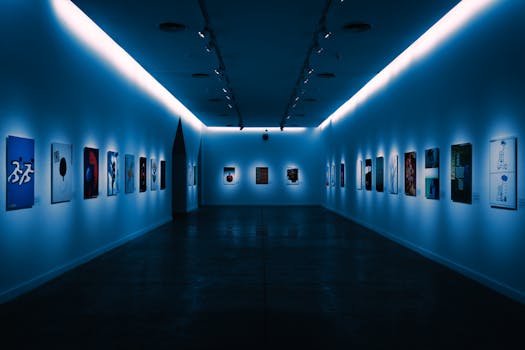
Choosing the right lighting is crucial in art galleries. Not only does it set the mood and highlight masterpieces, but it also preserves artworks for future generations. As LED technology evolves, more galleries are switching from traditional halogen or fluorescent lighting to LEDs. But with so many options available, how do curators ensure they’re making the best choice for their collections? This comprehensive guide unpacks the essentials of selecting LED lighting for art galleries, focusing on what matters most: color accuracy, preservation, flexibility, and visitor experience.
Understanding the Unique Lighting Needs of Art Galleries
Art galleries have highly specific requirements for lighting. Unlike retail or office spaces, galleries must balance three core concerns: flawless color rendering, minimal artwork degradation, and adaptable lighting schemes for diverse exhibitions.
First, color rendering is paramount. The Color Rendering Index (CRI) measures a light’s ability to reveal the true colors of objects compared to natural light. Artworks—paintings, sculptures, textiles—often contain subtle color variations; poor lighting can distort these hues and diminish the artist’s intent.
.png)
Second, light can be destructive. Both visible and invisible parts of the spectrum—especially ultraviolet (UV) and infrared (IR) radiation—can cause fading, yellowing, or material breakdown over time. The International Commission on Illumination (CIE) recommends keeping illuminance levels under 200 lux for sensitive items and under 50 lux for highly vulnerable works on paper.
Finally, art galleries frequently change exhibits, so flexibility is key. Lighting should adapt to new layouts and highlight different focal points without expensive rewiring or refitting.
Key Technical Criteria for Selecting LED Gallery Lighting
When choosing LEDs for gallery use, curators should focus on several technical criteria beyond just “brightness.”
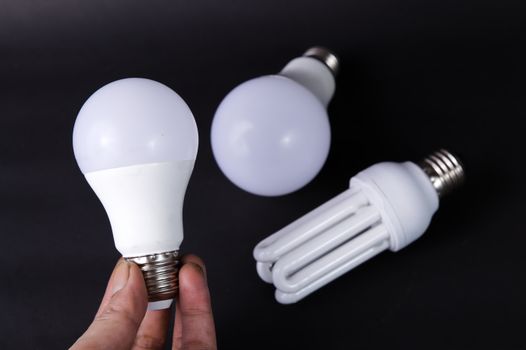
1. Color Rendering Index (CRI): For art, a CRI of 90 or above is recommended. LEDs with a CRI of 95+ are now available and closely mimic natural daylight, ensuring that visitors see works as intended. 2. Color Temperature: Measured in Kelvin (K), color temperature affects the mood and perception of art. Warm whites (2700-3000K) may suit classic paintings, while cooler whites (3500-4500K) can enhance contemporary installations. Some advanced LED systems allow tunable white light, letting curators adjust color temperature on demand. 3. UV and IR Emission: Quality LEDs emit negligible UV and IR radiation, dramatically reducing potential artwork damage compared to halogen or fluorescent lights. 4. Dimming Capability: Dimmable LEDs offer precise control over light levels, vital for protecting sensitive pieces and for creating dynamic exhibit atmospheres. 5. Beam Angle: Adjustable beam angles allow curators to spotlight individual artworks or provide even illumination across gallery walls. 6. Longevity and Efficiency: LEDs typically last 25,000–50,000 hours—up to 25 times longer than halogen bulbs—reducing maintenance and energy costs.Comparing LED Options: A Practical Table for Curators
With many LED products on the market, a side-by-side comparison helps clarify the differences. Here’s a practical table comparing key features for gallery applications:
| Feature | Standard LED Bulb | High-CRI LED (Gallery Grade) | Halogen |
|---|---|---|---|
| CRI | 80-85 | 95-98 | 98-100 |
| Color Temperature Options | 2700-6500K | 2700-5000K, tunable | 2700-3200K |
| UV/IR Emission | Minimal | Negligible | High |
| Dimming Capability | Varies | Excellent | Good |
| Lifespan (Hours) | 15,000-25,000 | 35,000-50,000 | 2,000 |
| Energy Efficiency | High | Highest | Low |
| Artwork Safety | Good | Excellent | Poor |
This comparison makes it clear: high-CRI, gallery-grade LEDs offer the best combination of color fidelity, flexibility, and preservation, far surpassing standard LEDs and traditional halogen lamps.
Design Strategies: Layering and Controlling LED Light in Galleries
Beyond selecting the right bulbs, the way LEDs are implemented can dramatically affect both display and preservation. Curators and lighting designers use several strategies:
- Layered Lighting: Combining ambient, accent, and task lighting provides both general illumination and focused highlights. Ambient LEDs set a base level, while adjustable spotlights or track lights accentuate individual pieces. - Zoning and Controls: Modern LED systems can be zoned—different areas or exhibits have separate lighting controls. Wireless dimmers and programmable scenes allow curators to adjust settings for different events, seasons, or artworks. - Glare and Reflection Management: Art under glass or varnish can create unwanted reflections. Fixtures with precise beam control or anti-glare lenses help minimize this, ensuring clear, glare-free viewing. - Wall Washing vs. Spotlighting: For large canvases or murals, LED wall washers provide even, shadow-free illumination. For sculptures or small works, narrower beams create dramatic focus.A notable example is the Louvre's use of LED lighting in its galleries. After retrofitting over 4,500 fixtures with high-CRI LEDs, the museum improved color accuracy and reduced energy consumption by 73%, all while protecting priceless paintings from UV exposure.
Preservation and Conservation Concerns: LEDs and Artwork Longevity
One of the most important reasons to switch to LEDs is conservation. Traditional lighting, especially halogen and incandescent, emits significant UV and IR radiation, both of which accelerate fading and structural damage in pigments, paper, textiles, and organic materials.
According to a 2022 study by the Getty Conservation Institute, switching to high-quality LEDs can reduce cumulative light damage by up to 85% compared to halogen sources over a 10-year period. LEDs’ negligible UV output means fewer conservation interventions and longer intervals between restoration.
However, not all LEDs are created equal. Low-quality LEDs may flicker at low dimming levels or shift color over time, which can still stress sensitive works. Always check for museum-grade certifications and consult with a lighting designer experienced in conservation.
Enhancing the Visitor Experience with LED Lighting
Lighting is not just about preservation—it’s also about creating an unforgettable visitor experience. LEDs, with their adaptability, allow curators to:
- Guide attention: Highlighting key works draws visitors through the gallery space. - Evoke emotion: Color temperature and intensity can set moods, from contemplative to exhilarating. - Support accessibility: Uniform, glare-free lighting helps all visitors, including those with visual impairments, enjoy the art.A 2021 survey by the International Association of Lighting Designers found that 89% of gallery visitors felt that well-lit artworks were more engaging, and 65% reported spending longer in LED-lit galleries compared to those with older lighting systems.
Key Steps for Curators When Choosing LED Gallery Lighting
To sum up, here’s a step-by-step process for curators embarking on a lighting upgrade:
1. Assess Artworks: Identify sensitive materials and set maximum safe illuminance levels. 2. Audit Existing Lighting: Measure current lux levels, color temperatures, and CRI values. 3. Consult with Experts: Work with lighting designers who specialize in galleries and conservation. 4. Prioritize Quality: Choose high-CRI, museum-grade LEDs with proven track records. 5. Test Before Installing: Pilot different fixtures in the gallery to evaluate color rendering and flexibility. 6. Plan for Flexibility: Select systems with dimming, zoning, and adjustable beams to accommodate future exhibits. 7. Train Staff: Ensure your team understands how to operate and maintain the new lighting for ongoing preservation.Final Thoughts on Choosing LED Lighting for Art Galleries
The transition to LED lighting is one of the most impactful upgrades an art gallery can make. The right LEDs not only elevate the viewing experience but also safeguard priceless collections for generations. By focusing on color accuracy, conservation, and adaptability, curators can create environments where artworks truly shine—literally and figuratively. As LED technology continues to advance, its benefits for the art world will only grow, making careful selection today an investment in the future of art appreciation and preservation.