Properly Recycling LED Lamps: An Ecological Guide to Responsible Disposal
The rise of LED lamps has revolutionized how we light our homes, businesses, and public spaces. With their long lifespans and energy efficiency, LEDs help reduce electricity bills and carbon footprints. However, what happens when these modern marvels reach the end of their useful life? While LED lamps are far less hazardous than traditional fluorescent or incandescent bulbs, they still require careful handling at disposal. Recycling LED lamps properly protects the environment, conserves valuable resources, and supports the circular economy. In this comprehensive ecological guide, we’ll explore why LED lamp recycling matters, the components involved, step-by-step recycling practices, and how communities can get involved for a brighter, cleaner future.
Why LED Lamp Recycling Is Essential for the Environment
LED lamps are often celebrated for their eco-friendly advantages during use, but their disposal also plays a crucial role in environmental stewardship. Unlike older lighting technologies, LEDs do not contain mercury, which is a significant environmental toxin found in CFLs and fluorescent tubes. However, that does not mean LEDs are free from potential hazards.
Each year, the world generates over 50 million metric tons of electronic waste (e-waste), according to the Global E-Waste Monitor 2020. Lighting products, including LEDs, account for a growing portion of this total. If not properly recycled, discarded LED lamps can contribute to landfill buildup and result in the leaching of metals such as lead, nickel, and copper into soil and water.
.png)
Moreover, LEDs contain valuable materials like aluminum, rare earth elements (such as yttrium and cerium), and high-quality plastics. Recycling recovers these resources, reducing the need for new raw material extraction and lowering the environmental impact of mining and manufacturing. For instance, the aluminum recycling process uses 95% less energy than producing new aluminum from ore.
Proper LED recycling also aligns with international sustainability goals. The United Nations’ Sustainable Development Goal 12 calls for responsible consumption and production, including reducing waste through recycling and the safe management of chemicals throughout their lifecycle.
Understanding the Components of an LED Lamp
To appreciate why proper recycling matters, it’s helpful to understand what makes up an LED lamp. Unlike traditional incandescent bulbs, which typically contain just a tungsten filament and a glass bulb, LEDs are more complex, incorporating several different materials and components:
- $1 Tiny semiconductor chips made from materials like gallium arsenide or gallium nitride. - $1 Contain metals such as copper and sometimes traces of precious metals for conductivity. - $1 Often made from aluminum to dissipate heat and keep the lamp cool during operation. - $1 Protects the internal components and can sometimes be recycled alongside household plastics or glass. - $1 Include capacitors, resistors, and transformers, often containing small amounts of rare earth elements and other metals.Some studies have found that approximately 20% of an LED lamp’s weight is from recoverable metals, while about 40% is recyclable plastic or glass. The rest consists of electronic components and trace elements, some of which can be hazardous if improperly disposed of.
Step-by-Step Guide to Recycling LED Lamps Responsibly
Properly recycling LED lamps is more involved than simply tossing them in the bin. Here’s a practical guide to ensure your LED lighting ends up where it can do the most good:
1. $1 - Recycling rules for LED lamps vary widely. Some cities offer curbside e-waste collection, while others require drop-off at specific centers. - Use resources like Earth911.com or your local government’s website to find authorized recycling locations. 2. $1 - Keep spent LED bulbs in a sturdy box or container. Avoid breaking them, as this complicates recycling and may release small amounts of hazardous materials. - Label the container to avoid accidental mixing with general waste. 3. $1 - Some recycling centers ask you to separate lighting types—LEDs, CFLs, incandescent—since processing methods differ. - Group LED lamps together for efficient handling. 4. $1 - Many hardware stores (such as Home Depot or Lowe’s in the U.S.) offer take-back programs for used LED bulbs. - Municipal waste facilities or specialized e-waste recycling centers are also common drop-off points. 5. $1 - While LED lamps contain recyclable materials, most curbside recycling programs are not equipped to handle them. Placing them in regular recycling can contaminate the stream and pose safety risks. 6. $1 - Some manufacturers operate “producer responsibility” schemes, where you can mail back used LED products for proper recycling.By following these steps, you ensure that the valuable resources in your spent LED lamps are recovered and responsibly reintroduced into the manufacturing cycle.
LED Lamp Recycling vs. Other Lighting Technologies: A Comparative Overview
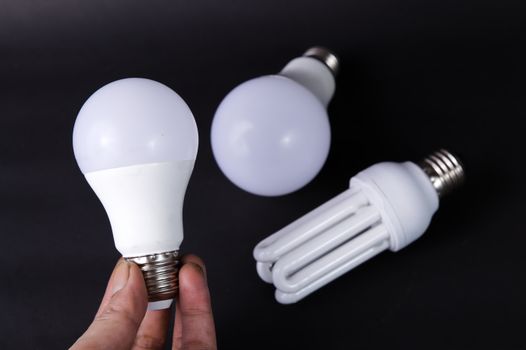
How does recycling LED lamps stack up against older lighting technologies? The table below compares the recyclability, environmental hazards, and resource recovery potential of LED, compact fluorescent (CFL), and incandescent lamps.
| Lighting Type | Contains Hazardous Materials? | Key Recyclable Materials | Typical Recovery Rate (%) | Special Handling Required? |
|---|---|---|---|---|
| LED Lamp | Low (may contain trace metals) | Aluminum, plastics, rare earths, glass | Up to 90% (with proper processing) | Yes (electronics recycling) |
| CFL Bulb | Yes (mercury) | Glass, mercury, phosphor powder, metals | Up to 80% | Yes (hazardous waste) |
| Incandescent Bulb | No (non-toxic) | Glass, tungsten | ~30% | No (but not widely recycled) |
As shown, LED lamps are safer than CFLs but require specialized recycling due to their electronic components. When processed at dedicated facilities, up to 90% of an LED lamp’s materials can be recovered and reused.
Innovative Approaches and Future Trends in LED Lamp Recycling
Globally, recycling methods and technologies for LED lamps continue to evolve. Some of the most exciting developments include:
- $1 Advanced robotics and AI are being used to safely and efficiently separate LED lamp components, improving recovery rates and reducing labor costs. For example, in 2023, a French facility reported a 25% increase in LED recycling efficiency after implementing robotic sorters. - $1 Researchers are developing eco-friendly chemical processes to extract rare earth elements from LED phosphors, reducing reliance on mining and supporting the supply of critical materials for new electronics. - $1 In the European Union, the Waste Electrical and Electronic Equipment (WEEE) Directive makes manufacturers responsible for the collection and recycling of their products, leading to higher recycling rates and greater product design for recyclability. - $1 Some lighting manufacturers are now engineering LED lamps to be easier to take apart at end-of-life, with snap-fit components and fewer glued parts, making recycling more efficient.These trends not only make recycling more effective but also encourage the design of products that are easier to recycle, closing the loop in the lighting industry.
Community Involvement and Education: Making LED Recycling Accessible
For LED lamp recycling to become widespread, public awareness and community participation are essential. Here’s how individuals and groups can make a difference:
- $1 Organize local e-waste or lighting collection events in partnership with schools, libraries, or environmental groups. - $1 Many people are unaware that LED lamps require different disposal than regular household waste. Local governments and green organizations can help spread the word through workshops, flyers, and social media. - $1 Advocate for municipal or state policies that make LED recycling more convenient, such as mandatory take-back programs or expanded e-waste collection points. - $1 When purchasing new LEDs, look for those labeled with recycling information or produced by companies participating in take-back schemes.According to a 2022 survey by the Consumer Technology Association, only 30% of Americans knew where to recycle used electronics, including LED lamps. Community-based initiatives can help bridge this knowledge gap and ensure more LEDs are recycled responsibly.
Building a Greener Future Through Responsible LED Lamp Recycling
LED lamps have transformed lighting for the better, saving energy and reducing emissions worldwide. But their environmental benefits don’t end with their long service life. By taking the extra step to recycle LED lamps properly, you help conserve valuable resources, prevent pollution, and support a sustainable, circular economy.
Proper LED recycling is a shared responsibility between consumers, manufacturers, and communities. With new recycling technologies, better product design, and increased public engagement, it’s easier than ever to ensure your old LEDs don’t go to waste. Make LED lamp recycling a part of your green routine—every bulb counts toward a brighter, cleaner planet.