Choosing LED Lighting for the Office: Enhancing Productivity and Well-Being
The modern office is a dynamic space where productivity and employee well-being go hand in hand. While technology, furniture, and layout are often seen as the main drivers of workplace performance, lighting plays an equally critical role. With more than 80% of office workers spending at least eight hours a day under artificial lighting, the quality and type of that light can profoundly impact mood, energy, focus, and even long-term health. As organizations seek to create environments that foster collaboration and innovation, choosing the right LED lighting for the office emerges as a strategic decision. This article explores the science and strategy behind selecting LED lighting that maximizes both productivity and well-being.
The Science Behind Office Lighting and Human Performance
Lighting is much more than a way to illuminate a desk or conference room. Studies from the American Society of Interior Designers reveal that 68% of employees complain about the lighting in their offices, often citing issues like glare, harshness, or insufficient brightness. Poor lighting can lead to eye strain, headaches, decreased concentration, and even disruptions in sleep cycles.
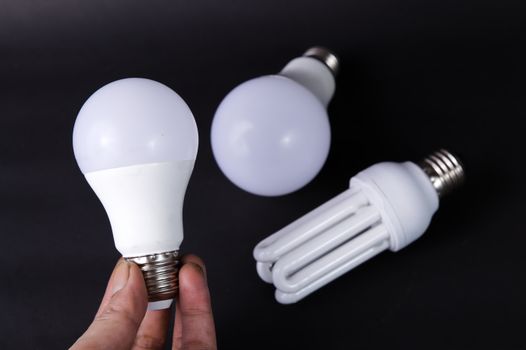
LED lighting, unlike older fluorescent or incandescent options, offers unparalleled control over brightness, color temperature, and energy efficiency. But to truly enhance productivity and well-being, it’s essential to understand how lighting affects the human body. Our circadian rhythm — the internal clock that regulates sleep and alertness — is heavily influenced by the color and intensity of light. Blue-enriched, cooler lighting (with color temperatures between 5000K and 6500K) has been shown to boost alertness and cognitive function during the day, while warmer lighting (2700K to 3500K) is ideal for relaxation and winding down.
.png)
A landmark study published in the Journal of Environmental Psychology found that employees working under optimized LED lighting reported a 23% increase in cognitive performance and a 33% reduction in fatigue. Clearly, the right choice of LED lighting isn’t just about saving energy — it’s about creating an environment where people feel and work their best.
Key Factors to Consider When Selecting LED Office Lighting
With hundreds of LED products on the market, choosing the perfect lighting solution for your office can feel overwhelming. Here are the most important factors to keep in mind:
1. $1 Measured in Kelvins (K), this determines whether light appears warm (yellowish) or cool (bluish). For most office environments, a neutral to cool white light (4000K to 5000K) strikes the right balance between focus and comfort. 2. $1 This metric (on a scale of 0 to 100) indicates how accurately a light source displays colors. A CRI of 80 or above is recommended for offices, ensuring that documents, screens, and materials appear true to life. 3. $1 Rather than focusing on wattage, which measures energy use, look for lumens, which measure the actual brightness. Typical open-plan offices require 300-500 lumens per square meter. 4. $1 High-frequency flicker or glare from poorly designed LEDs can cause eye discomfort and reduce productivity. Choose fixtures with flicker-free drivers and anti-glare diffusers. 5. $1 Adjustable lighting allows employees to tailor brightness levels to their tasks, time of day, or preferences, supporting both well-being and energy savings. 6. $1 Look for LEDs rated with at least 100 lumens per watt and a lifespan of 25,000 hours or more to minimize maintenance and costs.Types of LED Lighting for Different Office Spaces
Not all office areas require the same lighting. Here’s how to match LED types to specific work zones:
| Office Area | Recommended LED Type | Ideal Color Temp (Kelvin) | Typical Lumen Range (per sq. m) |
|---|---|---|---|
| Open Workstations | LED Panel Lights | 4000K-5000K | 300-500 |
| Conference Rooms | Recessed Downlights, Adjustable LEDs | 3500K-4000K | 400-600 |
| Private Offices | Desk Lamps, Panel Lights | 4000K-5000K | 300-500 |
| Break Areas | LED Cove/Strip Lighting | 2700K-3500K | 200-300 |
| Reception/Lobbies | Accent LEDs, Downlights | 3000K-4000K | 300-500 |
For example, open-plan workstations benefit from broad, evenly distributed light provided by LED panels, while conference rooms may need variable lighting to support both presentations and discussions. Break areas and lounges, on the other hand, should feature warmer, softer lighting to promote relaxation and socialization.
Human-Centric Lighting: Going Beyond Standard LEDs
A rapidly growing trend in office design is human-centric lighting (HCL), which tailors light color and intensity throughout the day to support natural circadian rhythms. HCL systems use LED fixtures capable of dynamically shifting from cool, energizing light in the morning to warmer tones in the afternoon and evening.
A 2021 study by Lighting Europe found that offices implementing HCL reported a 12% decrease in absenteeism and a 15% boost in employee satisfaction. These systems may include automated scheduling, daylight sensors, and app-based controls, allowing for seamless adaptation to natural light changes.
Some leading examples of HCL in action include:
- $1 Utilizes tunable white LED panels that mimic the natural progression of sunlight indoors. - $1 Offers dynamic lighting controls to align artificial light with employees’ biological clocks. - $1 Integrates daylight harvesting and occupancy sensors to optimize both comfort and efficiency.While HCL systems require a higher upfront investment (typically 15-30% more than standard LED installations), the long-term benefits for health, morale, and productivity often justify the cost.
Practical Tips for Implementing LED Lighting in Your Office
Whether retrofitting an existing workspace or designing a new office, applying these practical strategies will help maximize the advantages of LED lighting:
- $1 Before making changes, assess current light levels and identify dark spots, glare issues, and areas with outdated fixtures. - $1 Whenever possible, position workstations near windows and use daylight sensors to automatically adjust LEDs based on ambient sunlight. Research from the World Green Building Council shows that access to natural light can increase productivity by up to 18%. - $1 Use flexible, adjustable LEDs for individual desks and collaboration zones, allowing each employee to personalize their environment. - $1 Low-cost LEDs may flicker, fade, or have poor color rendering. Invest in reputable brands with certifications like ENERGY STAR or DLC. - $1 Wireless lighting controls enable remote adjustments, scheduling, and energy monitoring — essential for modern, agile workplaces. - $1 Schedule regular check-ups on your lighting system to replace aging units, clean lenses, and ensure settings remain optimal as staff and layouts evolve.The Impact of LED Lighting on Office Sustainability
Beyond productivity and well-being, LED lighting is a cornerstone of sustainable office design. According to the U.S. Department of Energy, LEDs use at least 75% less energy than incandescent lighting and last up to 25 times longer. For a typical office building, this can translate to annual energy savings of 30-40% just from switching to high-efficiency LEDs.
Moreover, LEDs generate less heat, reducing the load on air conditioning systems and further lowering operational costs. Many manufacturers now offer recyclable LED fixtures, supporting circular economy initiatives. By choosing LEDs with smart controls and daylight integration, offices can reduce their carbon footprint and demonstrate commitment to environmental responsibility — an increasingly important factor for both clients and employees.
Final Strategies for LED Lighting that Supports Productivity and Well-being
Choosing the right LED lighting for your office is more than a technical decision — it’s an investment in the health, happiness, and performance of your team. By understanding the science of light, matching fixture types to each space, embracing human-centric lighting, and leveraging smart controls, organizations can cultivate work environments that energize, inspire, and support everyone who walks through the door. Not only will this foster better work outcomes, but it also signals a commitment to employee-centric values in a rapidly changing world.