Outdoor spaces are more than just extensions of our homes or businesses—they’re sanctuaries, gathering spots, and expressions of style. Whether for a backyard, patio, garden, or commercial courtyard, the right lighting can dramatically enhance ambiance and aesthetics. In recent years, LED lighting has revolutionized how we illuminate these outdoor environments, offering creative flexibility, energy efficiency, and a remarkable range of visual effects. This article delves deeply into how LED lighting transforms the look and feel of outdoor spaces, provides design inspiration, and shares actionable tips for elevating your exterior with light.
The Transformative Power of LED Lighting in Outdoor Design
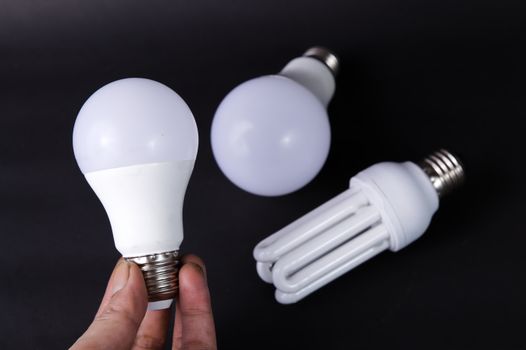
LED (Light Emitting Diode) technology has rapidly become the gold standard for outdoor lighting. According to the U.S. Department of Energy, LEDs use at least 75% less energy and last 25 times longer than incandescent lighting. But beyond their practical benefits, LEDs empower homeowners, designers, and landscapers to sculpt outdoor spaces with light in ways that were once impossible or prohibitively expensive.
With advances in LED manufacturing, lighting now comes in a spectrum of colors and intensities, is easily programmable, and can be integrated seamlessly into almost any architectural or landscape feature. These innovations allow for nuanced layering of light, dynamic color changes, and striking focal points—all essential elements in creating visually compelling outdoor environments.
.png)
Creating Visual Drama: Layering and Accents with LEDs
Great outdoor lighting design is about more than just visibility—it’s about mood, perspective, and movement. Layering different types of LED lights is key to achieving a balanced, dramatic effect. Here’s how you can use LEDs to create visual interest:
Ambient Lighting: General illumination sets the overall brightness of a space. Soft, warm-white LED path lights or overhead fixtures can create a welcoming glow along walkways, patios, or decks.
Accent Lighting: To highlight architectural features, garden sculptures, or water elements, directional LED spotlights or floodlights are ideal. These fixtures draw the eye to specific focal points, creating depth and intrigue after dark.
Task Lighting: For outdoor kitchens, dining areas, or workspaces, LED strip lights or under-cabinet fixtures provide bright, focused illumination where it’s needed most without harsh glare.
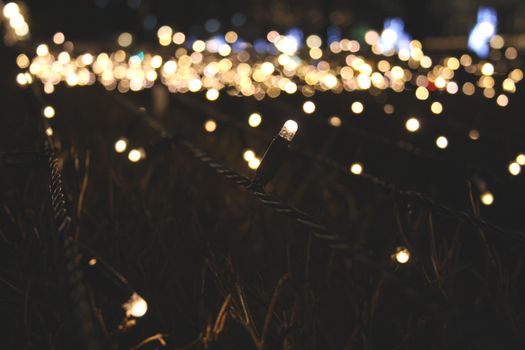
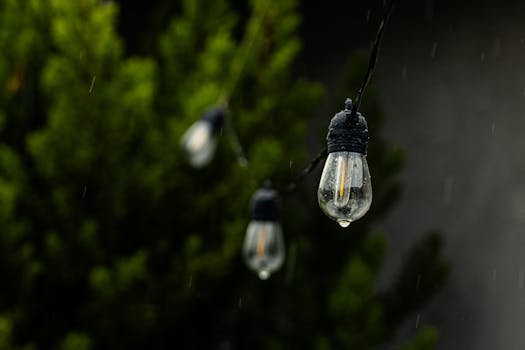
Decorative Effects: String lights, color-changing LEDs, or integrated paver lights add whimsy and personality. For example, winding LED fairy lights through trees can evoke a magical, enchanted garden vibe.
A study by the American Society of Landscape Architects found that layered lighting increases perceived safety and enjoyment of outdoor areas by up to 60%. By blending ambient, accent, and decorative lighting, you can guide movement, highlight beauty, and create zones for relaxation or activity.
Color Temperature and Mood: Choosing the Right LED Tones
Color temperature, measured in Kelvins (K), describes how “warm” or “cool” the light appears. The right color temperature can dramatically affect the ambiance of your outdoor space:
Warm White (2700K-3000K): Creates a cozy, inviting atmosphere. Ideal for patios, seating areas, and decorative lighting.
Neutral White (3500K-4100K): Offers a balanced, natural light that closely resembles daylight. Good for garden paths or general illumination.
Cool White (5000K-6500K): Crisp, energizing, and modern. Works well for security lighting, architectural highlights, or contemporary design themes.
Dynamic RGB LEDs: These allow users to program millions of colors, enabling seasonal changes, holiday themes, or vibrant party settings at the touch of a button.
Choosing the right LED tone is crucial for harmonizing your lighting scheme with your landscape’s natural features and the intended mood. For a side-by-side comparison, see the table below:
| LED Color Temperature | Appearance | Best Uses |
|---|---|---|
| 2700K (Warm White) | Soft, yellowish glow | Patios, seating areas, garden beds |
| 3500K (Neutral White) | Balanced, natural white | Paths, driveways, general lighting |
| 5000K (Cool White) | Bright, bluish-white | Security, modern accents, water features |
| RGB (Color-Changing) | Customizable hues | Seasonal décor, themed events, accent lighting |
Integrating LEDs with Landscape and Architecture
One of the greatest appeals of LED lighting is its versatility and adaptability. Unlike bulky traditional fixtures, modern LEDs can be concealed, embedded, or shaped to fit nearly any design vision. Here are some ways to seamlessly integrate LEDs into your outdoor environment:
Recessed Lighting: Install LED fixtures within decking, steps, or retaining walls for a sleek, unobtrusive look that gently outlines paths and edges.
Uplighting and Downlighting: Place LED spotlights at ground level to highlight trees, statues, or facades, or mount downlights in pergolas and rooflines to create moonlight effects.
Waterproof In-Ground LEDs: Perfect for driveways, pool surrounds, or fountains, these lights provide subtle brilliance without visible hardware.
Bollard and Post Lights: Low-profile LED bollards define walkways or garden borders while enhancing safety and visual rhythm.
Smart Integration: Many LED systems can now be controlled via smartphone apps, allowing users to adjust brightness, color, and schedules remotely for maximum convenience and customizability.
For instance, the city of Rotterdam, Netherlands, retrofitted its public parks with programmable LEDs, reducing energy consumption by 50% while enabling night-time art installations and community events using dynamic light projections.
Energy Efficiency and Sustainability: Aesthetic Gains Without Environmental Costs
While aesthetics are paramount, sustainability is an increasingly important consideration. LEDs are unmatched in their energy efficiency and longevity. According to the International Energy Agency, global adoption of LED lighting could cut worldwide lighting electricity consumption by more than 30% by 2030.
Key sustainability benefits of outdoor LEDs include:
Low Energy Use: Most outdoor LED fixtures consume only 3-15 watts, compared to 60-watt incandescent or 35-watt halogen bulbs of similar brightness.
Long Lifespan: Outdoor-rated LEDs often last 25,000 to 50,000 hours—meaning years or even decades between replacements.
Reduced Light Pollution: Precise beam control and dimming features minimize glare and spillover, preserving dark skies and protecting nocturnal wildlife.
Minimal Maintenance: LEDs are durable, resistant to vibration, and perform reliably in temperature extremes, reducing upkeep costs and hassle.
These eco-friendly advantages mean you can create beautiful, dramatic outdoor spaces that remain gentle on your wallet and the planet.
Inspiring Ideas: Creative LED Lighting Concepts for Every Outdoor Space
Looking for inspiration? Here are some creative ways homeowners and designers are using LEDs to elevate outdoor aesthetics:
Shadow Play: Positioning low-profile LEDs behind plants or sculptures casts intricate, moving shadows on walls and walkways, adding dimension and intrigue.
Floating Lights: Waterproof LED orbs or floating strips in pools and ponds bring a magical, contemporary glow to water features.
Living Walls: Backlighting vertical gardens or trellises with color-changing LEDs creates a vibrant, ever-shifting canvas of light and foliage.
Interactive Pathways: Pressure-sensitive LED pavers light up as you step, delighting children and guests alike.
Seasonal Themes: Use programmable RGB LEDs to shift from warm, golden autumn tones to festive winter blues and reds, or pastel spring palettes, keeping your space fresh year-round.
A notable example is Singapore’s Gardens by the Bay, where more than 162,000 individually controlled LEDs create nightly light shows, attracting millions of visitors and redefining urban outdoor aesthetics.
Final Thoughts: Elevating Outdoor Spaces with LED Lighting
LED lighting is more than a practical solution—it’s a powerful design tool that can turn any outdoor space into a stunning visual experience. By layering light, choosing the right color temperatures, integrating LEDs with landscape and architecture, and embracing creative concepts, you unlock endless possibilities for beauty and ambiance after sunset. As LED technology continues to advance, outdoor spaces will only become more vibrant, energy-efficient, and inspiring.