Securing Your Home with Light: How LED Lighting Enhances Home Security and Essential Tips for Protection
Home security has evolved far beyond simple locks and alarms. As threats become more sophisticated and home automation technology advances, homeowners are searching for smarter, more reliable ways to deter intruders and keep families safe. One often-overlooked but highly effective tool in the fight against crime is LED lighting. In this article, we'll explore how LED lighting impacts home security, highlight the strategies that make your property less appealing to criminals, and provide expert recommendations to maximize protection.
The Science Behind Lighting and Crime Prevention
It's a well-established fact: criminals prefer darkness. According to the U.S. Department of Justice, well-lit areas can reduce crime by up to 39%. The logic is simple — illumination increases visibility, raises the likelihood of being seen, and makes it difficult for potential intruders to operate unnoticed.
.png)
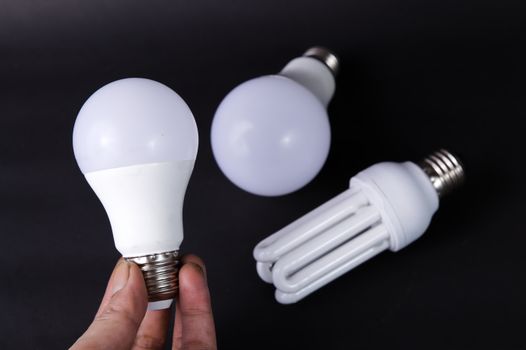
LED lighting has revolutionized residential security lighting for several reasons. Compared to traditional incandescent or halogen bulbs, LEDs offer:
- Brighter, more consistent light output - Lower energy consumption (up to 80% less than incandescent) - Longer lifespan (25,000 to 50,000 hours, versus 1,000 for incandescent) - Greater flexibility, including adjustable color temperatures and smart controlsThese advantages translate directly into better coverage, reduced maintenance, and lower costs — all of which make it easier for homeowners to keep their properties continuously illuminated. But the real security benefits go beyond basic brightness.
Key Ways LED Lighting Deters Intruders
LED lighting isn't just about lighting up the night; it's about strategic placement, smart technology, and psychological deterrence. Here’s how LED lighting directly impacts home security:
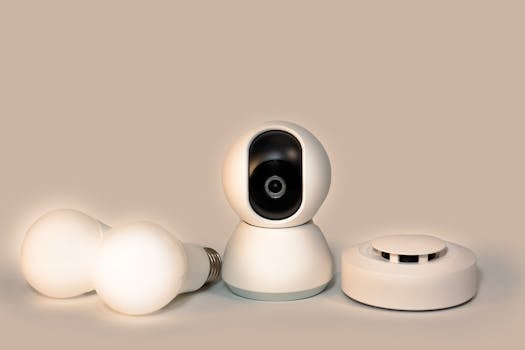
1. $1 Bright, well-placed LED fixtures expose dark corners, hedges, or entryways where intruders might lurk. This visibility takes away the element of surprise that criminals rely on. 2. $1 Smart LED systems can be programmed to turn on and off at intervals, mimicking the patterns of an occupied home even when you’re away. According to a 2021 FBI report, empty homes are three times more likely to be targeted by burglars. 3. $1 Many modern LED security lights include motion sensors that activate the light when movement is detected. This sudden illumination can startle intruders and alert homeowners or neighbors. 4. $1 LEDs now seamlessly integrate with cameras and alarm systems. When motion is detected, not only does the area light up, but cameras also record, and alerts can be sent to your smartphone. 5. $1 Because LEDs are so energy-efficient, homeowners are less hesitant to keep exterior lights running all night. This continuous illumination is a powerful deterrent.Outdoor LED Lighting Strategies for Maximum Security
Effective security lighting is about more than just installing a few bright bulbs. Thoughtful design can make the difference between a vulnerable property and a well-protected one. Here are expert-recommended strategies:
- $1 Use a combination of floodlights, spotlights, and pathway lights to cover every angle. Key areas include entrances, driveways, walkways, garages, and backyards. - $1 Install fixtures high enough to prevent tampering but angled to minimize glare and shadows. The goal is to illuminate faces, not just the ground. - $1 Place these in less-trafficked or vulnerable zones like side gates or backyard corners. The element of surprise works in your favor. - $1 Choose neutral white (around 4000K) for security lighting. Studies show this range enhances clarity for human eyes and cameras alike, making it easier to identify faces and details. - $1 Use timers, photocells (dusk-to-dawn sensors), and smart home integration to automate your lighting. This ensures lights are always on when needed, even if you forget. - $1 Too much light can create harsh shadows or light pollution, and may even annoy neighbors. Balance is key.Comparing LED Security Lighting Features: What Matters Most?
With countless products on the market, choosing the best LED security lighting can be overwhelming. Here’s a comparison table of the most important features to consider when selecting LED security lights for your home:
| Feature | LED Security Lights | Incandescent/Halogen Security Lights |
|---|---|---|
| Energy Consumption | 10-20 watts (typical) | 60-150 watts (typical) |
| Average Lifespan | 25,000-50,000 hours | 1,000-2,000 hours |
| Brightness (Lumens) | 800-3,000+ | 600-2,400 |
| Smart Features (Motion, Timers, Integration) | Yes (common) | Rare |
| Warm-up Time | Instant | Up to 1 minute |
| Color Temperature Options | Multiple (2700K-6500K) | Limited |
| Cost per Year (Energy) | $2-$6 (average) | $15-$40 (average) |
As the data shows, LEDs outperform older technologies in every security-critical category — especially when it comes to longevity, operating cost, and smart capabilities.
Indoor LED Lighting and Security: An Overlooked Ally
While outdoor lighting is the first line of defense, indoor LED lighting can also play a pivotal role in home security.
- $1 Smart LED bulbs inside your home can be set to mimic your daily routines, turning on and off in living rooms, bedrooms, and kitchens at expected times. This simulates occupancy, discouraging would-be intruders who may be watching for signs that a house is empty. - $1 With smart home apps, you can turn lights on or off from anywhere in the world. If you forget to leave a light on during your vacation, you can fix it remotely. - $1 Some smart bulbs can flash or change color when alarms are triggered, drawing attention to a break-in and potentially scaring off intruders.A survey by SafeHome.org found that 37% of burglars would avoid a home if indoor lights are on and changing, indicating someone is likely present.
Common Mistakes to Avoid with Security Lighting
Despite the benefits, poorly planned lighting can create vulnerabilities or even hazards. Avoid these common pitfalls:
- $1 While it seems safe, a house that’s always lit can actually signal that no one is home, especially if patterns never change. Use timers or smart controls for variation. - $1 Overly bright or poorly aimed lights can blind you, neighbors, or even create hiding spots in the shadows behind them. - $1 Even LEDs eventually fail. Regularly check your lights to ensure all fixtures are working and aren’t obstructed by plants, debris, or spiderwebs. - $1 Most break-ins occur at the sides or backs of homes. Don’t leave these areas dark. - $1 Manual switches are less effective than automated systems for deterring crime.Future Trends: Expanding the Role of LEDs in Home Security
The future of home security lighting is bright, literally and figuratively. Technological advances are making LED systems smarter, more adaptive, and even more integrated with other security measures.
- $1 Some new systems use artificial intelligence to learn your habits and adjust lighting accordingly, making occupancy simulation more believable. - $1 Lights can be triggered not just by motion, but by recognizing specific behaviors or faces via connected cameras. - $1 LEDs can change color to alert residents to specific events, such as red for intrusions or blue for police arrival. - $1 Increasingly affordable, solar-powered LED security lights allow protection even in remote or off-grid locations.As insurance companies take note, some are beginning to offer discounts for homes equipped with advanced LED security lighting, recognizing the proven reduction in risk.
Securing Your Home with LEDs: Smart Investments for Peace of Mind
LED lighting is more than just an energy-saving upgrade — it's a powerful, versatile tool in your home security arsenal. By thoughtfully designing outdoor and indoor lighting, leveraging smart controls, and staying updated with the latest technology, you can dramatically decrease your risk of break-ins and increase peace of mind. Whether you’re upgrading old fixtures or planning a new installation, the right LED lighting strategy is an investment that pays off in safety, savings, and confidence.