The Science Behind LED Technology
LED (Light Emitting Diode) technology is at the forefront of modern lighting solutions and electronic displays, influencing everything from the bulbs in our lamps to the screens on our smartphones. This article delves into the science that powers LEDs, highlights their advantages and disadvantages, and showcases their diverse applications.
What is LED Technology?
.png)
LEDs are semiconductor devices that emit light when electrical current flows through them. This differs fundamentally from traditional incandescent bulbs that generate light by heating a metal filament until it glows. The light from an LED is produced through a process known as electroluminescence. This involves electrons passing through a semiconductor material and releasing energy in the form of photons, the basic units of light.
Innovations Enhancing LED Efficiency
The efficiency and performance of LEDs have dramatically improved due to several key advancements:
- Semiconductor Materials: Innovations like gallium nitride have led to more efficient blue LEDs, which are vital for generating white light in combination with specific phosphors.
- Optimized Design: Engineers continuously refine the design of LEDs to improve light output and efficiency, focusing on aspects like the arrangement of the diodes and the materials used.
- Heat Management: Effective heat dissipation techniques are crucial as excessive heat can shorten an LED's lifespan and degrade its performance.
Advantages and Disadvantages of LEDs
Advantages:
- Energy Efficiency: LEDs consume significantly less power than traditional bulbs, leading to lower electricity costs.
- Longevity: LEDs have a longer operational life, reducing the frequency of replacement.
- Environmental Benefits: They are more eco-friendly, containing no mercury and producing less waste.
Disadvantages:
- Initial Cost: The upfront cost of LED technology is higher than that of traditional lighting systems.
- Complex Manufacturing: Producing LEDs involves intricate fabrication processes that can add to costs and technical challenges.
- Light Quality: The quality of light, influenced by factors like color rendering index (CRI) and color temperature, can vary and affect the application's effectiveness.
Practical Applications of LED Technology
Home and Industrial Lighting: LED lights are commonly used in homes, offices, and outdoor settings like streetlights due to their efficiency and long life.
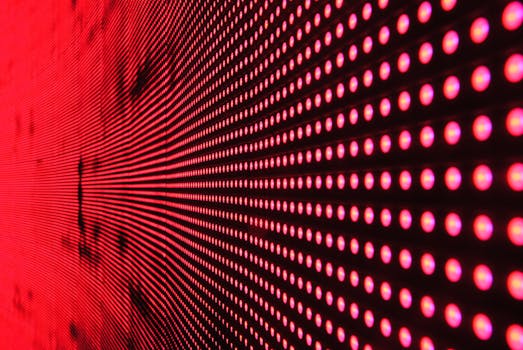
Displays: LEDs are used in the displays of devices such as TVs, computers, and smartphones because they provide excellent color range and precision.
Medical Devices: Specialty LEDs are employed in various medical instruments for diagnostic and therapeutic purposes.
Agricultural Growth: In horticulture, LEDs facilitate plant growth by providing specific light spectra tailored to optimize photosynthesis.
Conclusion
LED technology represents a significant step forward in sustainable lighting and electronic displays. Despite facing challenges like higher initial costs and complex manufacturing processes, the benefits—ranging from energy savings to reduced environmental impact—make LEDs a compelling choice for future applications. Continued innovation and research are expected to further enhance the performance and reduce the costs of LED technology, making it even more accessible and prevalent in our everyday lives. As we move forward, embracing LED technology will be crucial in building a more energy-efficient and sustainable world.