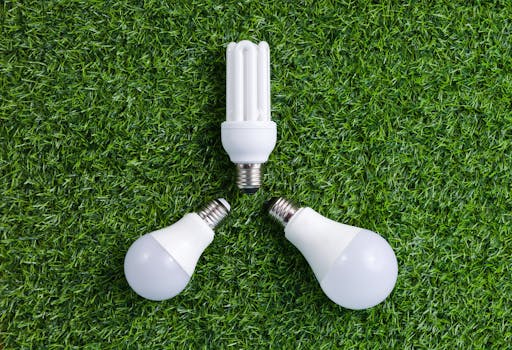
The Role of LED Lighting in Reducing CO2 Emissions
In the global effort to combat climate change, every measure counts, especially those that contribute to reducing carbon dioxide (CO2) emissions. Among various technologies and strategies, LED lighting has emerged as a potent tool in this fight. This article explores how LED lighting helps in reducing CO2 emissions and why it is becoming an essential part of sustainable practices worldwide.
Understanding LED Lighting
.png)
LED stands for Light Emitting Diode, a technology that generates light approximately 90% more efficiently than incandescent light bulbs. Traditional incandescent bulbs produce light by heating a filament until it glows, a method that wastes a lot of energy as heat. In contrast, LEDs use a semiconductor to convert electricity directly into light without producing excessive heat, thereby being more energy-efficient.
The Connection Between LED Lighting and CO2 Reduction
The primary link between LED lighting and reduced CO2 emissions lies in the efficiency of the technology. Energy efficiency directly correlates with lower energy consumption, which in turn means less fossil fuel burning at power plants. Since burning fossil fuels is a major source of CO2 emissions, reducing energy demand through efficient lighting can significantly decrease CO2 emissions.
A study by the Department of Energy in the United States highlighted that LED lighting can potentially save about 348 TWh of electricity by 2027. This is equivalent to the annual electrical output of 44 large electric power plants (1000 megawatts each), resulting in a total savings of more than $30 billion at today's electricity prices. The reduction in energy use translates directly into less burning of fossil fuels, thereby reducing the amount of CO2 released into the atmosphere.
Global Impact
The adoption of LED lighting is growing globally. Countries around the world are recognizing the benefits of LED lights not just from an environmental perspective but also for their cost-saving potential. For instance, in the European Union, regulations have been implemented to phase out less efficient light bulbs. This shift towards LED technology has not only contributed to energy savings but also to a substantial reduction in CO2 emissions.
In cities, where lighting can account for a significant portion of energy use, switching to LED streetlights has shown dramatic decreases in energy consumption. For example, Los Angeles reported a 63% reduction in energy use after retrofitting its street lights with LED bulbs. This large-scale switch not only saves the city millions of dollars in energy costs but also reduces its carbon footprint significantly.
Economic Benefits
The economic benefits of LED lights are closely tied to their environmental advantages. By using less electricity, not only do LEDs help reduce utility bills, but they also have a longer lifespan compared to traditional bulbs. This decreases the frequency of replacements, which in turn reduces the resources needed for manufacturing, packaging, and transportation—all of which contribute to CO2 emissions.
Challenges and Future Prospects
Despite the clear benefits, the widespread adoption of LED lighting faces several challenges. The initial cost of LED lighting is higher than traditional lighting systems, although prices have been decreasing steadily. There is also the need for proper recycling methods to deal with old LED lamps, as they contain small amounts of hazardous materials like lead and arsenic.
However, ongoing advancements in LED technology are expected to continue improving their efficiency and environmental performance. Additionally, as more governments and businesses recognize the long-term benefits of this technology, regulatory and financial support is likely to increase, encouraging further adoption.
Conclusion
LED lighting stands out as a highly effective solution for reducing CO2 emissions. Its ability to decrease energy consumption not only helps in fighting climate change but also offers significant economic benefits by lowering energy costs and reducing the need for frequent replacements. As the world moves towards more sustainable energy solutions, LED technology plays a crucial role in shaping a greener, more efficient future. The ongoing development and increased adoption of LED lighting are essential for achieving global environmental goals and transitioning to a low-carbon economy.