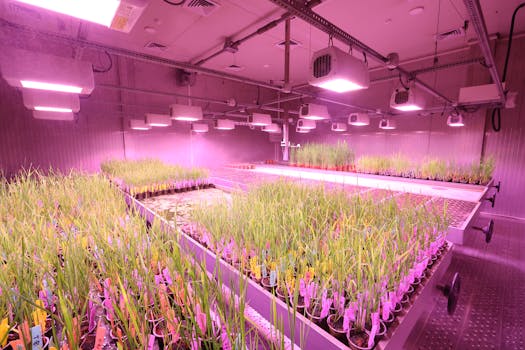
The advent of LED (Light Emitting Diode) technology in the realm of plant cultivation has marked a significant shift towards more sustainable and efficient farming practices. This technology not only benefits large-scale agricultural operations but also supports urban and home gardeners looking to maximize their plant growth indoors. The ability of LED lights to influence various growth parameters by emitting specific light wavelengths offers profound advantages over traditional grow lights.
The Science of Light and Plant Growth
Plants synthesize their food via photosynthesis, a crucial process that depends heavily on light. Sunlight, which encompasses a full spectrum of colors, is ideal for plant growth, but artificial lights can also suffice, especially in controlled environments without natural light. Traditional grow lights, such as incandescent bulbs or fluorescent tubes, emit a wide spectrum of light. However, much of this spectrum is not optimally utilized by plants.
.png)
LED technology changes this dynamic by allowing for customization of light spectra. Specific wavelengths influence plant behaviors: blue light generally enhances foliage growth, while red light helps in flowering and fruiting. By adjusting the light spectrum, LEDs can mimic the optimal conditions for these processes, thus directly affecting efficiency and productivity in plant growth.
Key Benefits of LED Lighting for Plant Growth
Enhanced Energy Efficiency
LEDs consume significantly less power than traditional grow lights like HPS or MH lamps. This reduction in energy consumption translates to lower electricity costs and a smaller environmental footprint, which is crucial in times of rising energy prices and growing environmental concerns.
Precision in Light Wavelengths
The ability to customize the light spectrum with LEDs means that plants receive precisely the type of light they need most at various stages of their lifecycle. This targeted approach can result in faster growth, higher yields, and even enhanced flavor and nutritional content of the harvested plants, as seen in some studies with vegetables like lettuce and tomatoes.
Minimal Heat Emission
Unlike other grow lights, LEDs emit very little heat. This is particularly advantageous because it allows the lights to be placed closer to the plants without the risk of heat damage. It also simplifies the setup, as less space is needed for heat dissipation equipment, making LED systems ideal for smaller, indoor environments.
Durability
LEDs have a significantly longer lifespan compared to traditional grow lights. This durability means fewer replacements, reducing both cost and waste. For commercial growers, this can mean lower operational costs over time.
Practical Considerations
Despite their advantages, LEDs come with upfront costs that can be higher than traditional systems. However, the long-term energy savings and lower maintenance often justify this initial investment. Additionally, choosing the right LED setup—considering factors like light intensity, color spectrum, and timing—is crucial for achieving optimal plant growth. Incorrect application can lead to poor plant performance or even stress and disease.
The Future of LED Lighting in Agriculture
As research continues and technology advances, the capabilities of LED lighting in agriculture are expected to grow. Innovations in light recipes can further tailor the light environment to specific plants and growth stages, potentially revolutionizing how food is grown, especially in controlled environments like vertical farms or greenhouses.
In conclusion, LED lighting represents a powerful tool in the toolkit of modern horticulture and agriculture. Its benefits extend beyond simple utility to contribute to larger goals of sustainability and efficiency in food production, aligning with global efforts to make agriculture more adaptable and sustainable in the face of climate change and population growth. As this technology continues to evolve, it promises to play a critical role in shaping the future of farming.