LED lighting is not just a technological advancement; it's a game changer in the field of interior design. This innovative form of lighting brings with it a multitude of benefits that go beyond simple illumination—improving energy efficiency, enhancing mood and atmosphere, and offering unprecedented versatility in design.
Transformative Effects on Interior Spaces
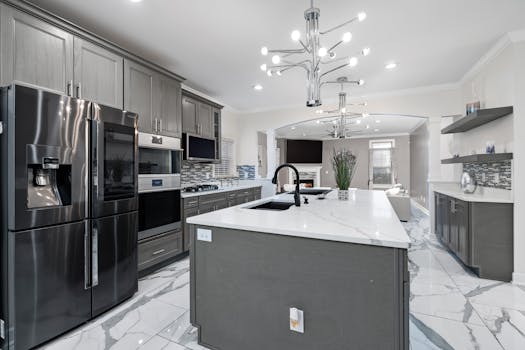
The introduction of LED technology has provided interior designers with new tools to create dynamic and adaptable environments. This lighting option allows for the manipulation of ambiance through changes in intensity and color temperature, directly influencing how a space is perceived and used.
.png)
Economic and Environmental Impact
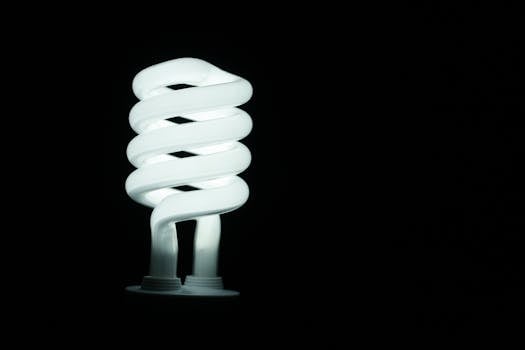
Adopting LED lighting is a forward-thinking choice both economically and environmentally. The long-term savings on energy bills and maintenance, combined with a lower environmental footprint, make LED lights a smart investment for both residential and commercial properties.
Customization and Creativity
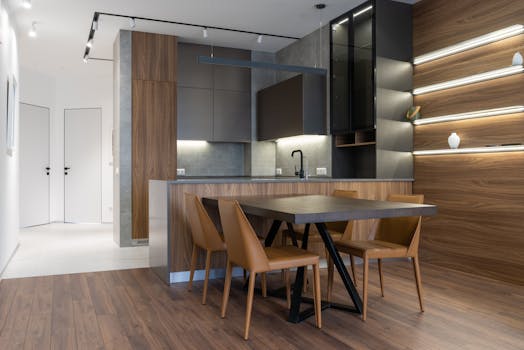
LEDs open up new avenues for creativity in design. Their small size and the ability to emit light in a spectrum of colors without the need for filters enable designers to integrate lighting into architectural elements seamlessly. This capability allows for the creation of unique, eye-catching designs that can be tailored to fit any mood or style.
Health and Well-being
The influence of lighting on health and well-being is profound. LED lighting can be adjusted to mimic natural light, helping to regulate body rhythms and enhance mental health. This is particularly valuable in settings without abundant natural light, such as offices and underground spaces.
Future Prospects
As LED technology continues to evolve, its integration into interior design will likely expand. Future developments could offer even greater efficiency, color range, and integration possibilities, making LED lighting an even more essential element of modern interior design.
LED lighting is not just a functional element of design but is also a significant component of aesthetic, environmental, and economic considerations in modern architecture and design. By embracing this technology, designers not only enhance the visual appeal of spaces but also contribute to a more sustainable and health-conscious world.