LED Lighting Maintenance: How to Extend the Lifespan of Your Lamps
LED lighting has transformed the way we illuminate our homes, businesses, and public spaces. Renowned for their energy efficiency and long operational lifespans, LEDs often promise 25,000 to 50,000 hours of use—far outlasting traditional incandescent or fluorescent bulbs. However, to truly enjoy these benefits and maximize your investment, proper LED lighting maintenance is essential. While LEDs are often marketed as “maintenance-free,” they aren’t immune to the effects of environment, installation errors, or neglect. This article explores practical strategies and expert insights to help you extend the lifespan of your LED lamps, optimize their performance, and avoid premature replacements.
The Science Behind LED Longevity
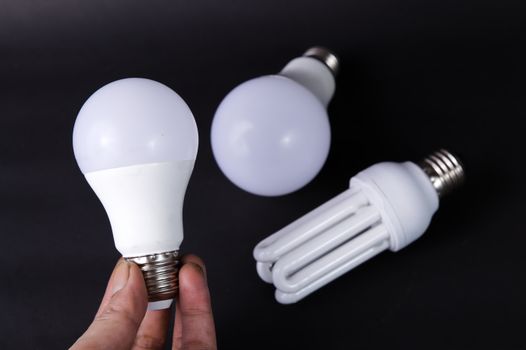
Before diving into maintenance tips, it’s crucial to understand why LEDs last longer than other lighting technologies. Unlike incandescent bulbs that use filaments or CFLs with gas-discharge tubes, LEDs (Light Emitting Diodes) generate light through electroluminescence—a process where electrons move through a semiconductor material and emit photons. This mechanism produces less heat and experiences slower wear and tear.
Key statistics on LED lifespan and efficiency: - Average rated life for a quality LED: 25,000–50,000 hours (compared to 1,000 hours for incandescent bulbs and 8,000–10,000 hours for CFLs). - LEDs lose brightness gradually, typically dropping to 70% of their original output (L70) at the end of their rated life, rather than burning out suddenly. - According to the U.S. Department of Energy, LED lighting can reduce energy consumption by up to 80% over traditional lighting.However, not all LEDs are created equal. Factors such as build quality, usage patterns, and environmental conditions can greatly affect their lifespan. Proper maintenance ensures you extract the maximum value from every lamp.
.png)
Environmental Factors That Affect LED Performance
Contrary to popular belief, LEDs are sensitive to their surroundings. Extreme temperatures, humidity, and dust can all compromise their longevity.
1. Heat Management Excessive heat is the enemy of all LEDs. While they emit less heat than incandescent bulbs, their electronic components are vulnerable to temperature spikes. Poor ventilation, enclosed fixtures, or proximity to heat sources can quickly degrade LED drivers and chips, leading to early failure. - For example, operating an LED lamp in an unventilated fixture can raise its internal temperature by 20°C, which may halve its lifespan. 2. Humidity and Moisture High humidity or water exposure can corrode connectors and electronic parts. Ensure that outdoor or bathroom LEDs are rated for damp or wet locations (look for IP65 or higher). 3. Dust and Debris Accumulated dust acts as insulation, trapping heat and blocking light output. In commercial or industrial settings, airborne particles can be particularly problematic.Regularly assessing the environment and choosing appropriate fixture ratings is the first step toward extending LED life.
Routine Cleaning and Inspection: The Forgotten Essentials
Cleaning may seem trivial, but it directly impacts LED efficiency and durability. Here’s how to maintain optimal performance:
1. Dusting and Wiping Use a soft, dry microfiber cloth to gently wipe down LED lamps and fixtures every 2–3 months. For exterior lights, a damp cloth may be necessary, but avoid harsh chemicals that might damage coatings or electronics. 2. Inspecting for Damage Look for signs of discoloration, flickering, or reduced brightness. These can indicate overheating, water ingress, or driver failure. Addressing small issues early prevents bigger problems later. 3. Cleaning Fixtures and Lenses Dirty lenses reduce light output and create hotspots that may stress the lamp. Remove covers or diffusers and wash them with mild soap and water (make sure everything is completely dry before reassembly). 4. Checking for Loose Connections Vibrations or accidental bumps can loosen electrical connections, leading to arcing or intermittent operation. Ensure all sockets and wiring are secure.A simple cleaning and inspection routine, performed once a quarter, can add years to your LED’s operational life.
Proper Installation and Fixture Selection
A significant percentage of premature LED failures result from improper installation or incompatible fixtures. Here’s what to consider:
1. Correct Fixture Compatibility Not all fixtures are designed for LED use. Using an LED lamp in an enclosed fixture not rated for LEDs can trap heat, reducing lifespan by up to 50%. Always check manufacturer recommendations regarding enclosure and ventilation. 2. Voltage and Power Quality LEDs require a stable voltage. Surges or fluctuations can damage internal drivers. In areas prone to electrical instability, installing surge protectors or voltage regulators is advisable. 3. Using Dimmers and Controls Not all LED lamps are dimmable. Using non-dimmable LEDs with a dimmer switch can cause flickering or shorten lamp life. Choose lamps explicitly marked as “dimmable” and pair them with compatible LED-rated dimmer switches. 4. Secure Mounting Ensure that lamps are securely fastened in their sockets to prevent vibrations, which can loosen connections or damage internal components.The table below compares common installation factors and their impact on LED lamp lifespan:
| Installation Factor | Proper Practice | Impact on LED Lifespan |
|---|---|---|
| Fixture Type | Use open or ventilated fixtures | Extends lifespan by up to 50% |
| Voltage Stability | Install surge protectors | Prevents early driver failure |
| Dimming Compatibility | Use LED-rated dimmers | Ensures stable operation and full lifespan |
| Mounting Security | Check for tight fittings | Reduces risk of connection faults |
Monitoring and Managing Power Quality
While LEDs are robust, their electronic drivers are sensitive to power surges, voltage drops, and harmonic distortions—especially in commercial buildings or older homes. Poor power quality can drastically reduce LED life.
- According to a 2021 study by the International Energy Agency, up to 15% of LED driver failures are attributable to power quality issues. To mitigate these risks: - Install whole-house surge protectors or localized circuit protection for critical lighting circuits. - In industrial settings, consider power conditioning equipment to maintain a clean supply. - For smart LED systems, keep firmware updated to ensure safe operation with connected controls.Paying attention to power quality is a smart, often overlooked, way to protect your lighting investment.
When to Replace Components vs. Full Lamps
One of the advantages of LEDs is their modularity. In many commercial or high-end residential fixtures, it’s possible to replace individual components—such as drivers or lenses—rather than the entire lamp.
Signs it’s time to replace individual components: - The LED lamp is dim but not flickering: The driver may be failing. - The lamp works but lens is cracked or yellowed: Replace the lens to restore brightness and aesthetics. - Multiple LEDs in an array have failed: It may be more cost-effective to replace the module or lamp.For most consumer-grade lamps, it’s often more practical to replace the whole unit. However, for large installations or expensive fixtures, component replacement can save both money and reduce waste.
Best Practices for Maximizing LED Lamp Lifespan
To summarize, here is a checklist of essential maintenance actions for extending the life of your LED lighting:
- Choose high-quality LED lamps from reputable brands, which have better heat management and durability. - Install LEDs in compatible, well-ventilated fixtures to dissipate heat effectively. - Clean lamps, lenses, and fixtures every 2–3 months to prevent dust buildup and overheating. - Inspect regularly for signs of damage, discoloration, or flickering, and address issues promptly. - Use surge protection and stable power supplies, especially in areas with unreliable electricity. - Pair dimmable LEDs with compatible dimmer switches to avoid stress on drivers. - For commercial or mission-critical applications, consider keeping spare drivers and lenses for quick repairs.By following these guidelines, you can expect your LED lamps to reach—and often exceed—their rated lifespans, saving money and reducing environmental impact.
Final Thoughts on LED Lighting Maintenance
LED lighting represents a significant investment in both energy savings and sustainability. While LEDs are celebrated for their longevity, realizing their full potential requires proactive care and attention to detail. By understanding the environmental factors, ensuring proper installation, maintaining cleanliness, and monitoring power quality, you can dramatically extend the lifespan of your LED lamps. Proper maintenance not only saves you money but also ensures consistent, high-quality light in your spaces for many years to come.