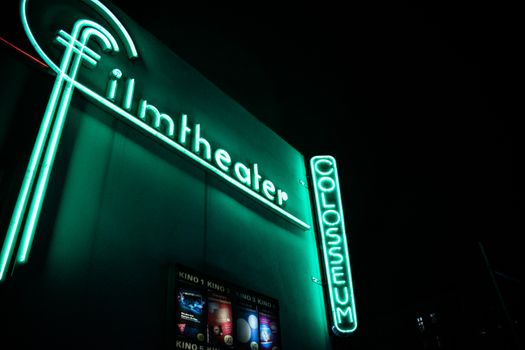
Cities around the world are undergoing a dramatic transformation, and at the heart of this evolution is the way public spaces are illuminated. LED lighting technology, once a novel upgrade over traditional bulbs, is now driving a revolution in how we experience parks, plazas, streetscapes, and municipal buildings after dark. From intelligent controls to sustainable materials, new trends in LED lighting are reshaping urban environments for safety, sustainability, and spectacle. This article explores the latest trends in LED lighting for public spaces, highlighting the innovations, statistics, and real-world examples changing the urban nightscape.
The Shift from Static Illumination to Dynamic Experiences
Traditional public lighting was primarily functional: illuminate streets, pathways, and gathering spots for safety and visibility. Today, LED technology enables a dynamic, interactive approach to lighting design. According to the International Association of Lighting Designers, over 60% of new public LED installations now incorporate dynamic or adaptive lighting elements.
Dynamic LED lighting refers to systems that can change color, intensity, or pattern in real-time. For example, the San Francisco Bay Bridge’s "Bay Lights" project uses over 25,000 individually programmable LEDs to create mesmerizing, ever-changing light displays. Similarly, public parks in cities like Seoul and Montreal have implemented color-tunable LED pathways that shift hues in response to pedestrian movement or city events.
.png)
These innovations are not just aesthetic. Dynamic lighting can improve wayfinding, highlight cultural events, and even respond to public emergencies by shifting to alert colors or patterns. Municipalities are embracing these capabilities to create memorable, engaging public spaces that serve both practical and cultural functions.
Smart Lighting Controls: The Rise of Intelligent Public Spaces
One of the most impactful trends in LED lighting is the integration of smart controls and Internet of Things (IoT) connectivity. In 2023, the global smart street lighting market surpassed $4.2 billion, and is expected to grow at a compound annual rate of 23% through 2030.
Smart LED lighting systems use sensors, wireless communication, and data analytics to adapt illumination levels based on real-time conditions. For example, sensors can detect pedestrian or vehicular presence and adjust brightness accordingly, reducing energy consumption during low-traffic periods. Cities like Copenhagen and Barcelona have implemented adaptive street lighting, resulting in energy savings of up to 80% compared to traditional lighting.
Beyond energy efficiency, smart controls enable remote monitoring and maintenance. Faulty fixtures can be identified instantly, reducing downtime and maintenance costs. Moreover, these systems can be integrated with security infrastructure, automatically brightening areas in response to emergencies or suspicious activity.
Below is a comparison table highlighting key features of traditional vs. smart LED public lighting:
| Feature | Traditional Lighting | Smart LED Lighting |
|---|---|---|
| Energy Efficiency | 40-60% | Up to 90% |
| Adaptive Brightness | No | Yes (sensor-based) |
| Maintenance Alerts | Manual checks | Automated, real-time |
| Integration with Other Systems | Limited | Full IoT connectivity |
| Data Collection | No | Yes (usage, traffic, environment) |
Human-Centric and Health-Focused Lighting Strategies
Recent research has highlighted the impact of artificial lighting on human health and well-being, particularly in communal spaces. As a result, public LED installations are increasingly designed with human-centric lighting principles. These strategies prioritize the quality and spectrum of light to align with human circadian rhythms, enhance comfort, and reduce unwanted side effects like glare or insomnia.
Specific trends in this area include:
- $1 Many cities now install LEDs with adjustable color temperatures, shifting from cool white during the day to warmer hues at night. For example, the city of Paris has retrofitted over 16,000 streetlights with LEDs that transition to a softer 2700K temperature after midnight, promoting relaxation and minimizing light pollution. - $1 New lens technologies and fixture designs minimize direct glare, making urban environments more comfortable for pedestrians, cyclists, and drivers. - $1 Municipalities are adopting International Dark-Sky Association (IDA) standards for LED installations to protect nocturnal wildlife and preserve views of the night sky. The IDA estimates that 35% of outdoor lighting is wasted due to poor design; new LED fixtures aim to direct light only where needed.These human-centric approaches create safer, healthier, and more inclusive public spaces for people of all ages.
Sustainability: From Energy Efficiency to Circular Design
LED lighting is already established as a more sustainable alternative to traditional lighting, using up to 75% less energy and lasting 25 times longer than incandescent bulbs. However, the latest trends go beyond simple energy savings, focusing on the entire lifecycle of lighting products.
- $1 Manufacturers are developing LED fixtures made from recycled metals, plastics, and glass. The city of Amsterdam recently piloted streetlights constructed from 100% recycled aluminum, reducing emissions associated with raw materials. - $1 To extend product lifespans, new LED luminaires are designed with modular parts that can be easily replaced or upgraded, minimizing electronic waste. - $1 Many public parks and rural pathways now use solar-powered LED lighting, especially in regions with unreliable grid access. According to the World Bank, over 2 million solar-powered LED streetlights were installed globally between 2018 and 2022.These efforts support municipal climate goals and foster a circular economy in urban infrastructure.
Public Art and Placemaking: LEDs as Creative Tools
Beyond function and sustainability, LED lighting is being embraced as a medium for public art and placemaking. Light-based installations can turn everyday spaces into cultural destinations, boosting tourism, civic pride, and nighttime economies.
- $1 Cities like Singapore and Sydney host annual light festivals where large-scale, interactive LED artworks attract millions of visitors. One installation in Sydney’s Vivid Festival in 2023 used 120,000 LEDs and motion sensors to create immersive, participatory experiences. - $1 Landmarks, bridges, and historical buildings are now illuminated with programmable LEDs that highlight architectural features, celebrate holidays, or mark important civic events. - $1 Some municipalities involve residents in the design of LED installations, using public input to determine the colors, themes, or patterns displayed.These creative applications demonstrate that LED lighting can be a tool for storytelling and community building, not just illumination.
Emerging Technologies: What’s Next for LED Lighting in Public Spaces?
The future of LED lighting in public spaces is shaped by rapid technological advancements and evolving urban needs. Key emerging trends include:
- $1 LEDs capable of transmitting data via light waves, offering high-speed, wireless internet access in public areas. - $1 LED displays embedded in sidewalks or street furniture to provide real-time information, navigation, or art. - $1 Artificial intelligence analyzing patterns in traffic, weather, or social activity to optimize lighting schemes for safety and energy use.These innovations point toward a future where LED lighting is not just a background utility but an active, intelligent participant in urban life.
Shaping the Future: The Impact of LED Lighting Trends on Urban Public Spaces
The latest trends in LED lighting are redefining what it means to illuminate public spaces. Dynamic, adaptable, and human-centered systems are making cities safer, more sustainable, and far more engaging after sunset. As technology continues to advance, municipalities have the opportunity—and responsibility—to use LED innovations to foster inclusive, inspiring environments for everyone.
With smart controls delivering up to 90% energy savings, human-centric strategies prioritizing health and well-being, and creative installations boosting civic identity, LEDs are truly lighting the way to the cities of tomorrow. Whether you’re strolling through a color-changing park or navigating an AI-optimized streetscape, the next era of public lighting promises to be brighter, smarter, and more connected than ever before.