The retail landscape is undergoing a dramatic transformation, and at the heart of this change is a deceptively simple technology: LED lighting. Far from being just a tool to illuminate shelves, innovative uses of LED lights in retail design are redefining how stores engage customers, showcase products, and build memorable brand experiences. As competition in the retail sector intensifies—both online and offline—forward-thinking brands are leveraging LEDs in creative, unexpected ways to stand out and boost sales. This article explores the latest breakthroughs in LED retail lighting, highlighting specific examples, quantifiable benefits, and the future of immersive shopping environments.
The Evolution of Retail Lighting: From Fluorescent to Intelligent LEDs
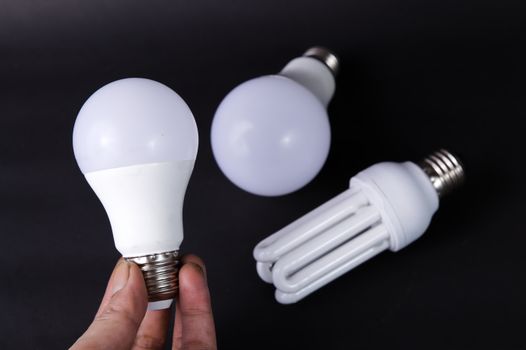
Traditional retail lighting relied heavily on fluorescent or incandescent bulbs, which provided basic illumination but offered little flexibility or control. LEDs (Light Emitting Diodes) have changed the game, offering energy efficiency, a vast color spectrum, and the ability to integrate with digital systems. According to a 2023 report by Grand View Research, the global LED lighting market is expected to reach $135 billion by 2028, with retail being one of the fastest-growing application areas.
What sets LEDs apart in retail is their adaptability. LEDs can be programmed to change color, brightness, and even direction, allowing retailers to create dynamic, interactive environments. For instance, a study by the Lighting Research Center found that creative use of LED lighting can increase dwell time in stores by up to 21%. This extended time in-store translates directly to higher sales and customer satisfaction.
.png)
Dynamic Visual Merchandising: LEDs as Storytellers
One of the most innovative uses of LED lights in retail is for dynamic visual merchandising. Unlike static spotlights or ceiling panels, LEDs can be integrated into shelving, display cases, and even product packaging to create ever-changing visual narratives.
Consider Nike’s flagship stores, where programmable LED strips embedded in walls and shelving shift colors to match new product launches or seasonal campaigns. Interactive LED floors can respond to customer movement, guiding them toward featured collections or creating playful engagement zones.
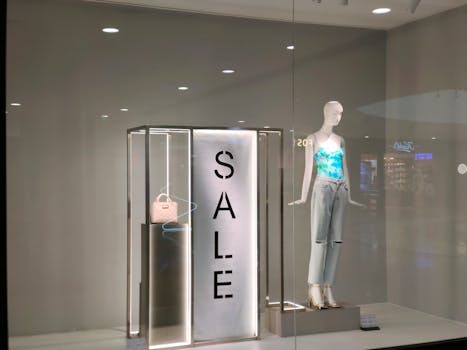
LED-embedded mannequins are another emerging trend. In 2022, a leading sportswear brand in Europe reported a 17% increase in sales after installing mannequins with embedded LEDs that synchronized with in-store promotions and digital signage. This convergence of lighting and digital content helps tell a cohesive brand story, making the shopping experience more immersive and memorable.
Personalized Shopping Experiences: LEDs and Smart Sensors
Personalization is a major driver of modern retail success, and LEDs are at the forefront of this movement. By linking LED lighting systems with smart sensors and data analytics, retailers can create unique experiences tailored to individual shoppers.
For example, some luxury boutiques use overhead LED spotlights that adjust automatically as customers move through the store, highlighting products within their immediate view. In fitting rooms, “scene-setting” LEDs let customers adjust the lighting to mimic different environments—such as daylight, evening, or office settings—so they can see how clothes appear in real-world scenarios.
A notable implementation occurred at a high-end cosmetics retailer in Tokyo, where smart LEDs combined with facial recognition technology provided personalized lighting at makeup counters. Shoppers could see how different products looked under various lighting conditions, resulting in a 23% increase in conversion rates and significantly higher customer satisfaction scores.
Sustainability and Energy Management: The LED Advantage
Sustainability is no longer optional in retail design—it’s a necessity. LEDs not only consume up to 80% less energy than traditional bulbs but also last much longer, reducing both energy bills and maintenance costs.
The environmental impact is substantial. According to the U.S. Department of Energy, widespread adoption of LED lighting in the commercial sector could save up to 348 TWh of electricity by 2027, equivalent to $30 billion in savings and a reduction of 246 million metric tons of carbon emissions annually.
Retailers are leveraging advanced LED control systems to monitor energy usage in real time, dimming lights during off-peak hours or when natural sunlight is sufficient. This automation not only cuts costs but also demonstrates a commitment to eco-friendly practices—an increasingly important factor for environmentally conscious consumers.
The following table compares key performance metrics of LED lighting versus traditional retail lighting:
| Feature | LED Lighting | Traditional Lighting |
|---|---|---|
| Energy Consumption | Up to 80% less | Baseline |
| Lifespan | 50,000 hours+ | 1,000-2,000 hours |
| Color Range | 16 million+ colors | Limited |
| Control Options | Programmable, Smart Integration | Manual, Limited |
| Environmental Impact | Low, recyclable | High, contains toxins |
Brand Identity and Immersive Experiences: LEDs as a Signature
Today’s most successful retailers use LED lighting to strengthen brand identity and create emotional connections with customers. Signature lighting schemes—such as a unique color palette or dynamic light patterns—can become as recognizable as a logo.
For instance, experiential stores like Samsung’s 837 in New York utilize massive LED installations to create immersive environments that reflect the brand’s cutting-edge ethos. LEDs are used to synchronize visuals, music, and scent, enveloping visitors in a multisensory brand journey.
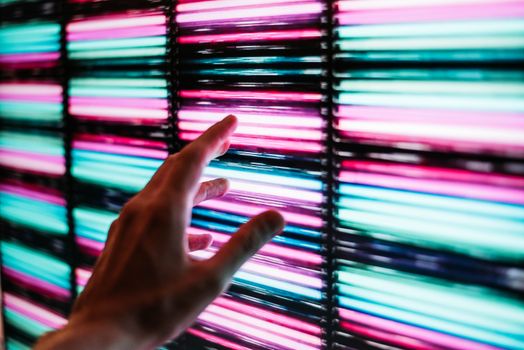
Pop-up shops and flagship stores are also experimenting with “Instagrammable” LED features—interactive tunnels, branded neon installations, or color-changing walls—that encourage social media sharing. This user-generated content provides valuable organic marketing, as 70% of shoppers are more likely to visit a store after seeing it featured online.
Wayfinding, Safety, and Accessibility: LEDs Beyond Aesthetics
LEDs serve practical purposes in retail environments, improving navigation, safety, and accessibility for all shoppers. Smart LED systems can highlight walkways, direct traffic flow, or even indicate open checkout lanes with color-coded signals.
A major supermarket chain in Germany recently installed floor-level LED strips that change color based on time of day or crowd density, guiding customers to quieter aisles and reducing congestion. Retailers in North America are using illuminated signage and low-glare LED lighting to make stores more accessible to visually impaired customers, improving inclusivity and customer satisfaction.
Additionally, emergency exits and safety pathways are now often marked by high-visibility LED strips that remain lit during power outages, ensuring compliance with safety regulations and enhancing overall peace of mind.
Conclusion: The Future of Retail is Bright with LEDs
The innovative applications of LED lighting in retail design extend far beyond basic illumination. From dynamic storytelling and personalized shopping experiences to sustainability and enhanced safety, LEDs are helping retailers create environments that are both functional and unforgettable. As technology continues to advance, expect to see even more creative uses—such as augmented reality displays, responsive environments, and fully immersive brand experiences powered by intelligent LED systems.
For retailers seeking to stay ahead, investing in innovative LED lighting isn’t just about aesthetics—it’s about creating the kind of engaging, efficient, and memorable spaces that today’s consumers crave. In the ever-evolving world of retail, LEDs shine as a beacon of innovation and opportunity.