The Best LED Lights for Aquariums: How to Properly Illuminate the Aquatic World
Aquarium enthusiasts know that lighting is much more than just a way to view their aquatic pets. The right LED lights can transform an ordinary fish tank into a vibrant, thriving ecosystem where both fish and plants flourish. As technology has evolved, LED lighting has become the top choice for aquarium owners, offering impressive energy efficiency, vivid color rendering, and customizable options to mimic natural sunlight. But with countless models and options available, how do you choose the best LED lights for your aquarium—and ensure your aquatic world is illuminated properly?
In this comprehensive guide, we’ll explore the science behind aquarium LED lighting, discuss the different types available, explain how to match lighting to your specific aquatic setup, and review leading models. Whether you’re a beginner with a freshwater tank or an advanced reef keeper, you’ll discover everything you need to create the optimal illuminated underwater world.
The Science of Aquarium Lighting: Why LEDs Are the Top Choice
Choosing the right lighting is essential for more than just aesthetics. Fish, corals, and aquatic plants rely on light for vital processes. For example, live plants and photosynthetic corals need specific light wavelengths to grow and thrive through photosynthesis. Too little light, and your plants may wither; too much, and you could encourage unwanted algae blooms.
.png)
LEDs (Light Emitting Diodes) have revolutionized aquarium lighting for several reasons:
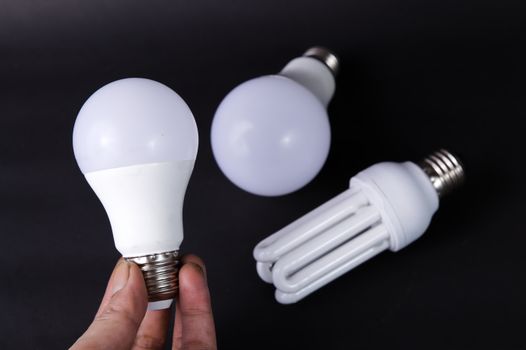
- Energy Efficiency: LED lights use up to 85% less electricity than traditional fluorescent or incandescent bulbs. This means lower energy bills and reduced heat output, which helps maintain stable water temperatures. - Longevity: Quality LED aquarium lights can last 30,000 to 50,000 hours—often 5 to 10 years of typical use. - Customization: Many LED systems allow you to control intensity, spectrum, and even simulate sunrise, sunset, and moonlight, replicating natural conditions for your aquatic inhabitants. - Spectrum Control: LEDs can be engineered to emit very specific wavelengths, perfect for supporting plant growth or coral coloration.According to a 2023 survey by the American Aquarium Association, 74% of new aquarium setups now use LED lighting, up from just 29% in 2015. This dramatic shift is a testament to the effectiveness and popularity of LED technology.
Types of Aquarium LED Lights and Their Applications
Not all LED lights are created equal. Selecting the best type depends on the nature of your aquarium—freshwater, planted, or reef—and the needs of your residents.
1. Standard White LEDs: Ideal for basic fish-only tanks, these lights offer bright, natural-looking illumination and make fish colors pop. They lack the full spectrum needed for plants or corals, but are an affordable choice for simple setups. 2. Full Spectrum LEDs: These provide a balanced mix of wavelengths, including red, blue, and green, closely mimicking natural sunlight. Full spectrum LEDs are perfect for planted freshwater tanks, as they support robust plant growth and help prevent algae dominance. 3. RGB (Red, Green, Blue) LEDs: Allowing users to mix colors and adjust the light output, RGB LEDs are favored for creating striking visual effects. Some advanced systems let you program dynamic lighting cycles to simulate cloud cover or stormy weather. 4. Reef-Specific LEDs: Designed for saltwater aquariums with live corals, these lights deliver intense blue and actinic wavelengths vital for coral photosynthesis and vivid coloration. Many feature controllable channels for customizing the spectrum and photoperiod.The right choice comes down to your tank’s size, depth, inhabitants, and whether you have live plants or corals. For example, a 20-gallon planted tank will have very different lighting needs than a 75-gallon reef aquarium.
Matching LED Lighting to Aquarium Size and Inhabitants
Every aquarium has unique requirements based on its size, depth, and residents. Here’s how to ensure your underwater world receives the best possible illumination:
1. Tank Size and Depth: - Shallow tanks (under 18 inches deep) typically need less powerful lights than deeper tanks, since light has to penetrate less water. - For tanks deeper than 24 inches, choose high-output LEDs to ensure sufficient light reaches the bottom. 2. Plant and Coral Needs: - Low-light plants like Anubias or Java Fern thrive with moderate-intensity full-spectrum LEDs. - High-light plants or demanding corals require higher PAR (Photosynthetically Active Radiation) values—typically at least 40-60 PAR at substrate level for plants, and up to 200 PAR for corals. 3. Fish Only vs. Planted vs. Reef Tanks: - Fish-only tanks focus on color enhancement and general viewing. - Planted tanks need balanced spectrum and appropriate intensity for healthy photosynthesis. - Reef tanks require specialized blue/actinic LEDs to support coral growth and fluorescence.As a rule of thumb, aim for 1-2 watts of LED lighting per gallon for planted tanks, and 2-5 watts per gallon for reef tanks—though PAR values are a more accurate measure.
Comparing Top LED Aquarium Lights: Features and Performance
With dozens of brands and models on the market, it can be challenging to select the right LED fixture. Below is a comparison of some of the most popular and well-reviewed aquarium LED lights of 2024.
| Model | Best For | PAR Output (at 12") | Spectrum Control | Estimated Lifespan | Price Range |
|---|---|---|---|---|---|
| Fluval Plant 3.0 | Planted tanks | 85 | Full RGBW, app-controlled | 50,000 hrs | $150–$230 |
| Current USA Orbit Marine IC | Reef tanks | 120 | Full spectrum, wireless | 35,000 hrs | $160–$300 |
| NICREW ClassicLED Plus | Freshwater, budget | 45 | Day/Night, manual | 30,000 hrs | $35–$75 |
| Kessil A360X Tuna Blue | Advanced reef tanks | 180 | Controllable, blue/white blend | 50,000 hrs | $420–$470 |
| Finnex Planted+ 24/7 CRV | Planted tanks | 78 | Full spectrum, 24/7 cycle | 40,000 hrs | $90–$150 |
As shown, the best LED for your aquarium depends on your specific needs and budget. For example, the Fluval Plant 3.0 is praised for its customizable spectrum and Bluetooth app, while the Kessil A360X is a favorite among reef keepers for its powerful output and shimmer effect.
Installation Tips: Getting the Most from Your LED Aquarium Lights
Proper installation and setup are vital to maximize both the health of your aquatic life and the longevity of your LED system. Follow these tips for optimal results:
1. Mounting Height and Position: - Place LEDs 2-6 inches above the water surface for most tanks. - Use adjustable mounting brackets to ensure even light distribution and reduce shadowing. 2. Photoperiod: - Mimic natural day/night cycles. Most tanks do best with 8-10 hours of light per day. - Use built-in timers or smart controllers to automate the lighting schedule and avoid overstressing fish. 3. Avoiding Algae Problems: - Excessive light duration or intensity can lead to green water and nuisance algae. - Monitor your tank’s response and adjust photoperiod or intensity as needed. 4. Maintenance: - Wipe LED fixtures regularly to remove moisture and mineral buildup. - Check that the lights are not overheating, especially in enclosed hoods. 5. Safety: - Always use fixtures rated for aquarium use—cheap, non-waterproof lights carry a risk of shock. - Double-check all cables and power supplies for moisture protection.Advanced Features: Smart Controls and Special Effects
Modern LED aquarium lights offer features that go far beyond simple on/off switches. Here’s what today’s top models can bring to your aquatic setup:
- Wireless App Control: Adjust colors, brightness, and schedules from your phone. - Weather Simulation: Some systems can mimic thunderstorms, cloud cover, or lunar cycles, providing a more natural environment for sensitive species. - Sunrise/Sunset Ramps: Gradually increase or decrease light intensity at the beginning and end of the day, reducing stress for fish. - Customizable Spectrums: Fine-tune the color balance to enhance specific species’ colors or optimize plant/coral growth.For example, the Current USA Orbit Marine IC lets users program up to 8 lighting events daily, while the Fluval Plant 3.0 syncs with your smartphone for real-time adjustments. These features aren’t just for aesthetics—they can help reduce fish stress, promote breeding, and even improve plant growth rates.
Illuminating the Aquatic World: Final Considerations on LED Aquarium Lighting
The right LED lighting does much more than showcase the beauty of your aquarium—it creates a healthy, dynamic environment where fish, plants, and corals can thrive. With their energy efficiency, customizable features, and long lifespan, LEDs are the clear choice for both new and experienced aquarists.
When choosing the best LED lights for your aquarium, consider your tank’s size, resident species, and your overall goals, whether that’s lush plant growth, dazzling coral displays, or simply a vibrant fish community. Don’t overlook installation and maintenance, and take advantage of smart controls to fine-tune your aquatic world.
With thoughtful selection and setup, you can bring your aquarium to life—making it a centerpiece of beauty and tranquility in your home.