The allure of a well-lit garden is undeniable. As the sun sets, the right lighting can transform any outdoor space into a magical retreat, perfect for relaxing evenings, lively gatherings, or simply admiring nature’s beauty. In recent years, LED lighting for gardens has surged in popularity, offering homeowners a host of creative possibilities. With advanced technology, energy efficiency, and a wide array of design options, LEDs are the key to creating atmospheric, enchanting gardens year-round. This article will guide you through the essentials of LED garden lighting, from design strategies to practical benefits, so you can craft your own outdoor wonderland.
The Science Behind LED Garden Lighting
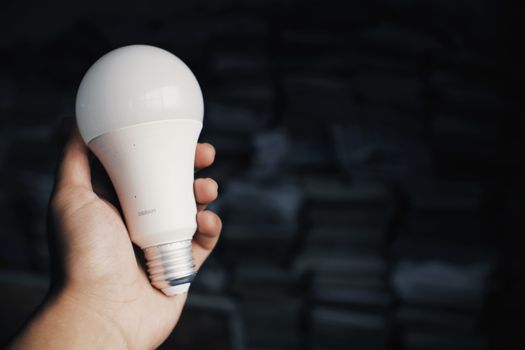
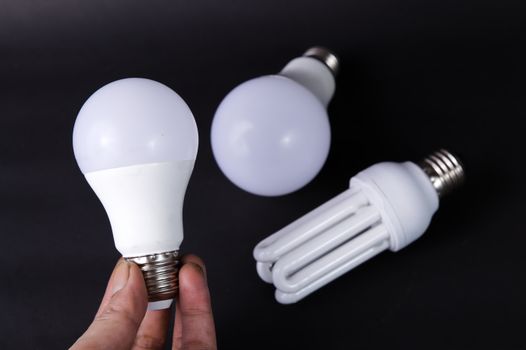
To appreciate the magic LEDs bring to gardens, it helps to understand what sets them apart from traditional lighting. LED stands for Light Emitting Diode, a technology that produces light through the movement of electrons in a semiconductor material. Unlike incandescent or halogen bulbs, LEDs generate very little heat and convert a much higher percentage of electricity into visible light.
Consider these compelling facts: - LEDs use up to 85% less energy than traditional incandescent bulbs. - The average lifespan of an LED is 25,000 to 50,000 hours, far surpassing the 1,000 hours of incandescent bulbs. - Modern garden LEDs offer color temperatures ranging from warm white (2,700K) to cool daylight (6,000K), enabling tailored atmospheres.Because of their low voltage and minimal heat output, LEDs are safer for outdoor use, reducing risks of fire and accidental burns. Additionally, their compact size and durability mean they can be installed in creative ways, such as beneath foliage, along pathways, or even underwater in ponds.
.png)
Design Strategies: Turning Your Garden into a Nighttime Wonderland
The magic of LED garden lighting lies in thoughtful design. Rather than simply flooding the space with light, focus on creating layers, highlighting features, and guiding the eye. Here are some design principles to inspire your garden lighting project:
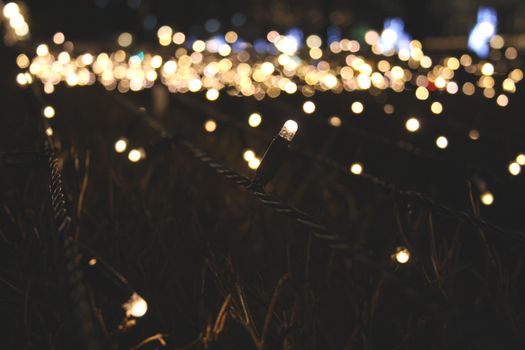
1. $1 Use spotlights or uplights to showcase trees, sculptures, or architectural elements. For instance, a majestic oak or a modern water feature can become the garden’s nighttime centerpiece with the right LED accent. 2. $1 Lining walkways with LED bollards or recessed step lights not only enhances safety but also creates a welcoming, enchanted path. Choose fixtures with downward-facing beams to minimize glare and light pollution. 3. $1 String lights or LED fairy lights woven through branches or pergolas create a soft, magical atmosphere. These are ideal for seating areas or patios where you want to encourage relaxation and conversation. 4. $1 Submersible LEDs in ponds or fountains add drama and movement, especially when combined with rippling water. For a more subtle effect, use low-level lighting near reflective surfaces to double the visual impact. 5. $1 Integrate LED systems with timers, motion sensors, or smart home controllers. This allows for dynamic lighting scenes—dimmed lights for intimate gatherings or brighter settings for festive occasions.When planning, sketch your garden and identify focal points, transition areas, and zones where softer or more dramatic lighting will enhance the ambiance. The goal is to create depth and intrigue, not to mimic daylight.
LEDs vs. Traditional Garden Lighting: A Comparative Overview
To fully appreciate the advantages of LED garden lighting, consider how it measures up against conventional options. The table below highlights key differences:
| Feature | LED Lighting | Incandescent/Halogen | Solar Path Lights |
|---|---|---|---|
| Energy Efficiency | Up to 85% less energy use | Much higher energy consumption | Varies, depends on sunlight and battery |
| Lifespan (hours) | 25,000–50,000 | 1,000–2,000 | 5,000–20,000 |
| Color Options | Wide range, including RGB | Mostly warm white | Limited, usually cool or warm white |
| Maintenance | Minimal, rarely needs replacement | Frequent bulb changes | Occasional battery replacement |
| Initial Cost | Moderate, but cost-effective over time | Lower upfront, higher long-term costs | Low to moderate |
| Weather Resistance | High, with proper fixtures | Moderate, sensitive to moisture | Varies, some models poorly sealed |
LEDs clearly offer superior energy efficiency, longevity, and flexibility. While the initial investment may be slightly higher, the long-term savings and creative possibilities make LEDs a smart choice for garden enthusiasts.
Choosing the Right LED Fixtures for Your Garden
Selecting the best fixtures is crucial for achieving both visual appeal and practical functionality. The garden lighting market is brimming with choices, each suited to different tasks and styles. Here are the main types of LED fixtures you might consider:
- $1 Perfect for highlighting trees, walls, or garden art. Look for models with adjustable beams and weatherproof ratings (such as IP65 or higher). - $1 Low-level fixtures designed for walkways and borders. Solar-powered LEDs are popular for this purpose, but wired models offer brighter, more consistent light. - $1 Flexible and decorative, these are ideal for draping over shrubs, trellises, or outdoor dining areas. Many options now offer color-changing features or remote control. - $1 Recessed LEDs installed in steps, decking, or paving stones enhance safety while preserving an understated look. - $1 Specially sealed units that can be submerged in water, perfect for illuminating fountains or water gardens.When choosing, pay attention to the brightness (measured in lumens), color temperature (Kelvin scale), and beam angle. For example, a 3W LED spotlight (about 200 lumens) is sufficient for accenting small plants, while larger trees may require 10W or more (upwards of 800 lumens).
Don’t overlook the importance of weather resistance. Outdoor-rated fixtures should have an IP (Ingress Protection) rating of at least IP44 for general use, and IP67 or higher for submersion or harsh conditions.
Energy Efficiency and Sustainability Benefits
One of the primary motivations for choosing LED lighting in gardens is its outstanding energy efficiency and reduced environmental impact. Here are some numbers that illustrate the difference:
- A typical outdoor LED garden light consumes between 3–15 watts, while an equivalent halogen could use 35–100 watts. - According to the U.S. Department of Energy, widespread use of LEDs could save 348 terawatt-hours of electricity by 2027—enough to power 44 million U.S. homes for a year. - LEDs contain no toxic elements like mercury, which is found in some older lighting options, making disposal safer and more environmentally friendly.Additionally, the ability to dim or automate LEDs via smart controls further reduces energy usage by ensuring lights are only on when needed. Timers and motion sensors can be integrated to optimize efficiency, especially in large gardens or public spaces.
The long lifespan of LEDs also means fewer replacements and less waste, reducing the overall carbon footprint of your garden lighting over time.
Creative Ideas for a Magical Garden Atmosphere
With the technical basics covered, it’s time to unleash your creativity. Here are some inspiring ways to use LED lighting for a truly enchanting garden:
- $1 Mount cool white LED spotlights high in trees to mimic the gentle, dappled effect of moonlight filtering through branches. - $1 Use RGB (red, green, blue) LEDs to bathe walls, hedges, or flower beds in vibrant hues. With remote controls or smart apps, you can easily change the colors to suit the mood or season. - $1 Position low, angled lights behind statues or ornamental grasses to cast dramatic, elongated shadows that dance across walls or lawns. - $1 Incorporate motion-activated LEDs along garden paths or near seating areas for a playful surprise when guests walk by. - $1 Adjust colors and brightness for holidays—amber and purple for Halloween, soft white for winter, or pastel tones for spring celebrations.Don’t be afraid to experiment with layering different types of light. A combination of soft ambient string lights, crisp spotlights, and subtle path illumination can make even a small garden feel multidimensional and inviting.
Final Thoughts on Creating a Magical Garden with LED Lighting
LED lighting has revolutionized the way we illuminate our outdoor spaces, blending artistry with efficiency and sustainability. By understanding the science, design principles, fixture options, and environmental benefits, you can transform any garden into a magical nighttime retreat that delights the senses and extends the enjoyment of your landscape. Whether you dream of a softly glowing sanctuary or a vibrant, color-changing wonderland, LEDs offer the flexibility and reliability to bring your vision to life. With thoughtful planning and a touch of imagination, your garden can become a breathtaking oasis after dark—one that’s as practical as it is enchanting.