The Evolution of LED Technology: Lighting the Way to Energy Efficiency
Light Emitting Diode (LED) technology has undergone significant transformations since its inception in the early 1960s, evolving from simple indicators to the backbone of modern energy-efficient lighting solutions. This article delves into the evolution of LED technology, discussing its milestones, advantages, disadvantages, and practical applications, thereby providing a comprehensive overview.
Historical Context and Breakthroughs
.png)
Originally developed to emit low-intensity red light, LED technology has made leaps in capabilities over the decades. A pivotal breakthrough occurred in the 1990s with the development of blue LEDs. This innovation was crucial because it enabled the creation of white LEDs by combining blue light with red and green, broadening the spectrum of applications.
Advancements in Efficiency and Light Quality
Energy Efficiency
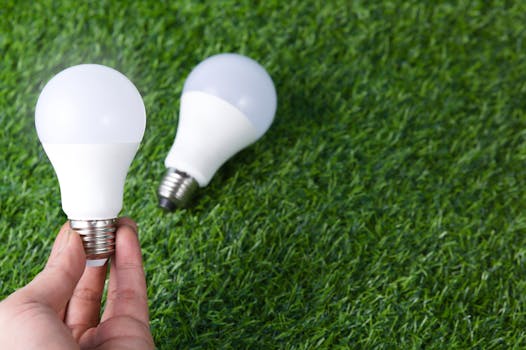
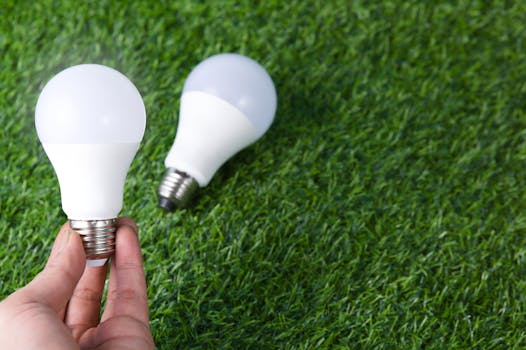
One of the primary advancements in LED technology is its exceptional energy efficiency. Modern LEDs excel at converting electricity into light, significantly outperforming traditional lighting solutions like incandescent and fluorescent bulbs. This efficiency not only cuts down on energy consumption but also reduces heat output, which in turn prolongs the lifespan of lighting devices.
Light Quality
Initially, LEDs were hampered by a low Color Rendering Index (CRI), which resulted in poor color accuracy. However, advancements in phosphor technology and spectral control have dramatically improved their light quality. Today's LEDs can achieve much higher CRIs, making them suitable for applications where accurate color representation is critical, such as in retail, art galleries, and homes.
Pros and Cons of LED Technology
Advantages
LEDs offer several compelling advantages:
- Longevity: LEDs have a longer operational life compared to traditional lighting options.
- Durability: They are robust, resistant to shock and vibrations, making them suitable for a wide range of environments.
- Eco-Friendliness: LEDs do not contain harmful materials like mercury, making them a safer and more sustainable choice.
Disadvantages
Despite their benefits, LEDs have some drawbacks:
- Initial Costs: The upfront cost of LED technology can be higher than traditional lights, although this is generally offset by lower operational costs over time.
- Variability in Quality: The performance and quality of LEDs can vary widely depending on the manufacturer and the specific technologies used, which can influence consumer satisfaction.
Practical Applications of LED Technology
LEDs have found diverse applications across various sectors:
- Automotive: Used in headlights, brake lights, and indicators due to their quick response and high visibility.
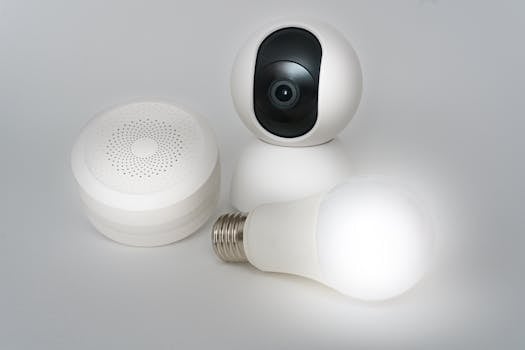
- Residential: LEDs are popular in home lighting systems, providing customizable and energy-efficient solutions that can be integrated with smart home technologies.
- Commercial: In commercial settings, LEDs are used in displays, billboards, and as general lighting solutions, offering durability and flexibility for businesses.
Conclusion: The Bright Future of LEDs
The evolution of LED technology continues to play a pivotal role in the global movement towards sustainable energy solutions. With ongoing advancements expected, LEDs are set to further revolutionize the lighting industry. Consumers and industries are encouraged to embrace LED technology not only for its efficiency and versatility but also for its contributions to environmental conservation. As we look towards the future, the path forward with LED technology is not only bright but also sustainable.