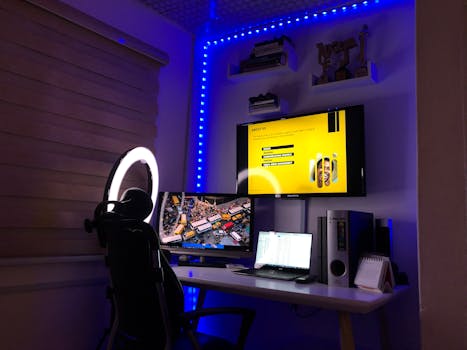
LED Lighting and Its Impact on Productivity in Home Offices: The Science and Practical Solutions
Working from home has become a new norm for millions of professionals worldwide. As remote work continues to shape the modern workforce, optimizing the home office environment is crucial for maintaining productivity, focus, and well-being. While much attention is given to ergonomic chairs and high-speed internet, one often-overlooked factor can profoundly influence work output: lighting. Specifically, LED lighting has emerged as a game-changer for home offices, offering benefits that extend far beyond simple illumination.
This article delves into the science behind LED lighting and how it can boost your productivity in a home office setting. From the psychological impact of light color temperature to smart lighting solutions, let’s explore how making informed lighting choices can transform your work-from-home experience.
.png)
The Science of Light: Why Quality Lighting Matters in Home Offices
Lighting is not just a matter of visibility; it directly affects our circadian rhythms, mood, and cognitive performance. A study by the American Society of Interior Designers found that 68% of employees complain about the lighting in their workspaces, with poor lighting leading to eye strain, fatigue, and reduced focus.
LED (Light Emitting Diode) lighting stands apart from traditional incandescent and fluorescent bulbs due to its ability to offer customizable brightness and color temperatures. Research published in the Journal of Environmental Psychology shows that exposure to cool white LED lighting (4000K–6500K) during the day can improve alertness and reaction times by up to 20%, compared to warmer or inadequate lighting.
This is particularly important in home offices, where the flexibility to adjust lighting throughout the day can help synchronize your work schedule with your body’s natural rhythms, boosting both efficiency and comfort.
LED Lighting vs. Traditional Bulbs: Productivity and Practicality Compared
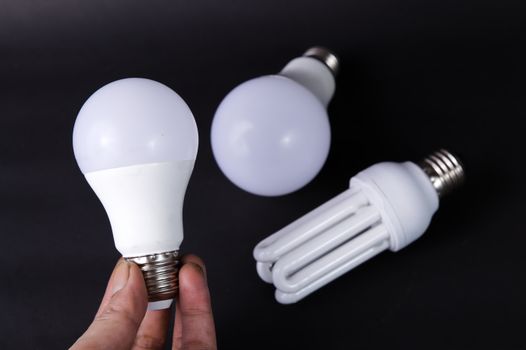
To understand why LED lighting is superior for productivity in home offices, it’s important to compare it with older lighting technologies in terms of energy efficiency, lifespan, light quality, and impact on well-being.
| Feature | LED Lighting | Incandescent Bulbs | Fluorescent Bulbs |
|---|---|---|---|
| Average Lifespan (hours) | 25,000–50,000 | 1,000 | 7,000–15,000 |
| Energy Consumption (watts for 800 lumens) | 8–12 | 60 | 13–15 |
| Color Temperature Range (Kelvin) | 2,200K–6,500K+ | 2,700K–3,000K | 2,700K–6,500K |
| Adjustable Brightness | Yes (most models) | No | Sometimes |
| Flicker Issues | Rare | None | Common |
| Impact on Productivity | High (customizable, even light) | Low (yellow, often dim) | Moderate (can cause headaches) |
As shown, LED lighting surpasses traditional options in almost every category, especially in its ability to deliver adjustable, high-quality light that supports productivity and comfort.
Color Temperature and Focus: How LED Lighting Influences Mental Performance
One of the most significant advantages of LED lighting is its tunable color temperature. But what is color temperature, and why does it matter for productivity?
Color temperature, measured in Kelvin (K), describes the hue of white light emitted by a bulb. Lower values (2,700K–3,000K) produce a warm, yellowish light, while higher values (5,000K–6,500K) generate a cool, bluish-white light. Multiple studies indicate that cooler color temperatures are associated with increased alertness, concentration, and reduced fatigue.
For example, a 2021 study conducted by the Lighting Research Center found that office workers exposed to 6,500K lighting reported a 12% increase in task accuracy and a 15% reduction in self-reported drowsiness compared to those working under 3,000K lighting. This is particularly relevant for home offices, where distractions are plentiful and maintaining focus is necessary for peak performance.
With LED bulbs, users can choose or even dynamically adjust the color temperature to suit their work tasks and time of day. For intense focus, such as analyzing spreadsheets or writing reports, a cool white (around 5,000K) is optimal. For creative work or late evening tasks, a neutral or warmer tone might help reduce eye strain and prepare the body for rest.
Smart LED Lighting: Adaptive Solutions for the Modern Home Office
Beyond static lighting, smart LED solutions are revolutionizing home office environments by introducing automation and personalization. Smart LED bulbs and fixtures can be controlled via smartphone apps, voice assistants, or programmed routines, allowing users to tailor their lighting to their daily schedule.
Key features of smart LED lighting for productivity include:
- $1 Some LED systems automatically adjust color temperature throughout the day, mimicking natural daylight patterns. Morning light is cooler and brighter to promote alertness, while evening light shifts warmer to help wind down. - $1 Users can set up custom lighting scenes for different activities—such as video conferences, deep work, or relaxation—at the touch of a button. - $1 Lights can be programmed to turn on before the workday begins or dim automatically in the evening, reducing the cognitive load of manual adjustments.According to a 2022 report by Statista, over 45 million households worldwide have adopted smart lighting solutions, citing convenience, energy savings, and improved well-being as primary benefits. For home office workers, this means fewer interruptions, better work-life balance, and a workspace that adapts seamlessly to their needs.
Reducing Eye Strain and Fatigue: LED Lighting Best Practices
While LED lighting brings numerous advantages, improper setup can still lead to discomfort or even hinder productivity. Here are some evidence-based best practices for optimizing LED lighting in your home office:
1. $1 Position LED lamps so that they illuminate your workspace evenly without causing screen glare or casting shadows on your work area. 2. $1 Combine ambient (overhead) lighting with task lighting (desk lamps) to create a balanced and flexible setup. 3. $1 Use dimmable LED bulbs to fine-tune brightness according to the nature of your work and the amount of natural daylight available. 4. $1 Use bulbs with similar color temperatures in your office to avoid visual discomfort from mixed lighting hues. 5. $1 Even with optimal lighting, prolonged screen use can strain the eyes. Follow the 20-20-20 rule: every 20 minutes, look at something 20 feet away for at least 20 seconds.A 2020 survey by the American Optometric Association revealed that 58% of remote workers experienced less eye strain after switching to high-quality, adjustable LED lighting in their home offices.
Economic and Environmental Benefits: More Than Just Productivity
While the primary focus of this article is productivity, it’s important to note that LED lighting offers substantial economic and environmental advantages. According to the U.S. Department of Energy, LEDs use at least 75% less energy and last 25 times longer than incandescent lighting. This translates to significant utility bill savings—an average household can save $225 annually by switching to LEDs.
Furthermore, LEDs contain no hazardous mercury (unlike fluorescent bulbs) and are fully recyclable. Their longevity means fewer replacements, less waste, and a smaller carbon footprint. For home office workers aiming to reduce both costs and environmental impact, upgrading to LED lighting is a smart investment.
Bringing It All Together: LED Lighting as a Productivity Powerhouse in Home Offices
The right lighting can be the difference between an energized, productive workday and one plagued by fatigue and distraction. LED lighting stands out not only for its efficiency and longevity but also for its ability to support mental performance, comfort, and well-being.
By understanding the science of light, leveraging the flexibility of LED technology, and following simple best practices, you can transform your home office into a space that truly enhances focus and productivity. As remote work continues to evolve, investing in high-quality, adaptive LED lighting is one of the smartest steps you can take for both your professional success and personal comfort.