LED Lighting and Electricity Savings: Real-World Case Studies That Illuminate the Benefits
Switching to LED lighting is often touted as a simple way to cut energy bills and reduce carbon footprints, but how much of this is marketing hype—and how much is proven fact? To answer this question, we’ll explore the science of LED efficiency, analyze real-world case studies from businesses and municipalities, and compare electricity savings across different lighting technologies. Whether you’re a homeowner, facility manager, or policy maker, understanding the tangible impact of LED lighting can help you make smarter decisions for your budget and the environment.
The Science Behind LED Efficiency and Energy Savings
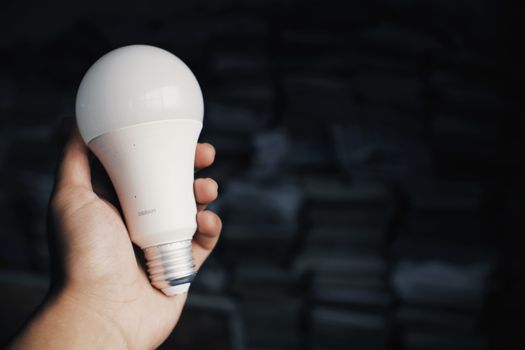
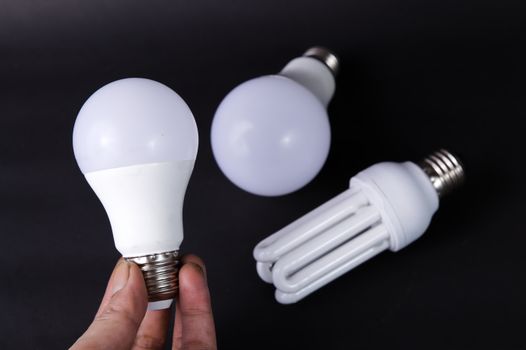
LED stands for Light Emitting Diode, a technology that has rapidly shifted the lighting landscape over the last two decades. Unlike incandescent bulbs, which generate light by heating a metal filament, or compact fluorescent lamps (CFLs) that excite gas, LEDs produce light by passing electricity through a semiconductor. This process is highly efficient and generates far less heat, which is one of the main reasons LEDs use significantly less energy.
Key facts: - LED bulbs use up to 85% less energy than traditional incandescent bulbs. - According to the U.S. Department of Energy, widespread use of LED lighting could save about 348 terawatt-hours (TWh) of electricity by 2027, equivalent to the annual output of 44 large power plants. - LEDs last up to 25 times longer than incandescent bulbs and 2-5 times longer than CFLs, reducing replacement costs and landfill waste.These efficiency gains translate not only into direct electricity savings, but also into lower maintenance costs and less frequent bulb replacements.
.png)
Commercial LED Upgrades: Real Savings for Real Businesses
Businesses often operate lighting systems for long hours, making them prime candidates for significant energy savings through LED upgrades. Let’s look at a few documented case studies:
1. Walmart’s Global LED Retrofit: Walmart, one of the world’s largest retailers, undertook a massive LED lighting retrofit across its stores worldwide. By 2018, the company had converted more than 6,000 stores, clubs, and distribution centers to LED lighting. According to Walmart, this initiative resulted in a 15% reduction in energy usage for lighting, saving the company approximately $200 million in annual electricity costs. 2. Empire State Building, New York: In 2012, the Empire State Building completed a retrofit that replaced 6,514 windows and upgraded 65,000 fluorescent fixtures to LED. The lighting upgrade alone shaved 2.4 million kWh off its annual consumption—enough to power over 200 average American homes for a year. This contributed to a 38% reduction in the building’s energy usage, saving $4.4 million annually across all energy improvements. 3. InterContinental Hotels Group (IHG): IHG replaced traditional lighting with LEDs in its hotel lobbies, guestrooms, and corridors. After a full year, some properties reported lighting energy savings of up to 50%, while also achieving better light quality and a more modern guest experience.These case studies show that the investment in LED lighting can pay for itself in just a few years, especially when factoring in energy savings, maintenance costs, and enhanced lighting quality.
Public Sector Success: Municipalities Leading the Way
Municipalities and public institutions are among the largest consumers of lighting, especially for streetlights, public buildings, and parking facilities. Here are some noteworthy examples of public LED retrofits:
1. Los Angeles LED Streetlight Project: The City of Los Angeles began replacing its 215,000 streetlights with LEDs in 2009. The project was completed by 2013 and resulted in a 63% reduction in streetlight energy use, saving the city $9 million annually on electricity and $2.5 million on maintenance. The city also saw a reduction of 47,000 metric tons of CO2 emissions each year. 2. Boston Public Schools: Boston retrofitted over 40 public schools with LED lighting, resulting in annual savings of $1.5 million on energy costs. The switch also improved classroom lighting quality, which can positively impact student performance and well-being. 3. Toronto’s LED Traffic Signal Conversion: Toronto converted 2,200 intersections to LED traffic signals, reducing energy use by 80% and saving $2.6 million each year in electricity and maintenance.These examples highlight the scalability of LED savings—not just for private businesses, but for entire cities and communities.
Comparing Lighting Technologies: A Data Overview
To see how LED lighting stacks up against other technologies, let’s compare their typical performance in terms of wattage, lifespan, and annual cost for a single bulb used 1,000 hours per year.
| Lighting Type | Typical Wattage | Average Lifespan (hours) | Annual Energy Use (kWh) | Approx. Annual Cost (at $0.15/kWh) |
|---|---|---|---|---|
| Incandescent | 60W | 1,200 | 60 | $9.00 |
| CFL | 14W | 8,000 | 14 | $2.10 |
| LED | 9W | 25,000 | 9 | $1.35 |
From this comparison, it’s clear that LEDs use the least amount of electricity for the same light output, last the longest, and offer the lowest annual operating cost. Multiplied across dozens or hundreds of fixtures, these savings add up quickly.
LED Lighting in Industry: Factories and Warehouses Reap Big Rewards
Industrial spaces such as factories and warehouses have unique lighting needs due to high ceilings, long operating hours, and the need for robust, reliable fixtures. Several case studies illustrate the outsized benefits of LED adoption in industry:
1. General Motors (GM) Assembly Plants: GM upgraded lighting in 20 of its U.S. plants to high-bay LED fixtures. The company reported a 60% reduction in energy use for lighting, saving $2.3 million annually and improving worker safety due to better visibility. LEDs also reduced downtime for lighting maintenance, which is critical in 24-hour manufacturing environments. 2. Coca-Cola Bottling Facility, Texas: Coca-Cola replaced 2,000 metal halide lamps with LED high-bay fixtures. The change saved 1.2 million kWh annually—enough to power 110 average homes for a year—and reduced lighting maintenance costs by 90%. 3. International Paper, Georgia: A production facility swapped out 1,500 fluorescent fixtures for LEDs, achieving a 55% reduction in lighting energy use and saving $230,000 annually. The improved lighting quality also contributed to fewer workplace accidents.These examples underscore how industrial settings, with their vast spaces and significant lighting needs, are ideal for maximum LED savings.
Beyond Electricity: Environmental and Operational Benefits
While direct electricity savings are often the headline, LED lighting delivers broader benefits:
- Reduced Heat Output: LEDs emit very little heat compared to incandescent and halogen bulbs. This not only saves on cooling costs (especially in commercial buildings) but also reduces fire hazards. - Lower Carbon Footprint: Every kilowatt-hour saved reduces greenhouse gas emissions. The U.S. Department of Energy estimates that full LED adoption could cut CO2 emissions by 246 million metric tons per year. - Smart Controls Integration: LEDs are easily compatible with sensors, timers, and smart control systems, enabling further savings. For instance, occupancy sensors in office buildings can cut lighting costs by up to 30% by automatically dimming or turning off lights in unoccupied areas. - Improved Lighting Quality: LEDs offer high color rendering and instant-on capability, which can enhance productivity, safety, and comfort in homes and workplaces.Final Thoughts: What the Case Studies Teach Us About LED Lighting and Savings
The evidence is clear: switching to LED lighting is not just a theoretical way to save electricity—it’s a proven solution that pays off for everyone from homeowners to multinational corporations and city governments. The case studies above reveal that whether you’re illuminating a single room or an entire metropolis, LEDs offer dramatic reductions in energy usage, maintenance costs, and environmental impact.
The key takeaway is that the benefits of LEDs scale with use: the more hours your lights are on, the more you save by switching. And with LED prices continuing to fall and technology improving, the return on investment is faster than ever.