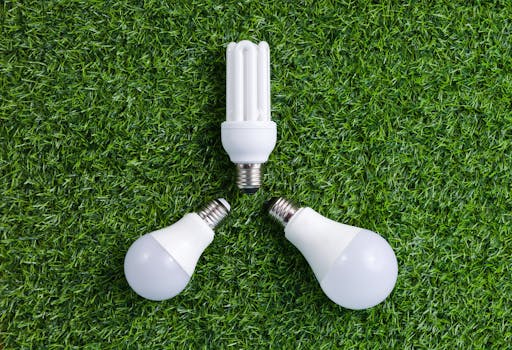
LED Technology: The Sustainable Choice
LED technology, or light-emitting diode technology, has revolutionized the lighting industry with its energy efficiency and long service life. As the world increasingly focuses on sustainable practices and reducing environmental impacts, LED lighting has emerged as a prominent green solution. This article explores how LED technology works, its environmental benefits, and why it is considered a superior sustainable option compared to traditional lighting solutions like incandescent and fluorescent bulbs.
Understanding LED Technology
.png)
At its core, LED technology uses semiconductors to convert electricity into light. When an electric current passes through a microchip, it illuminates the tiny light sources called LEDs (light emitting diodes). The result is visible light. One of the key features of LED lighting is its ability to emit light in a specific direction, whereas traditional lighting sources often require reflectors and diffusers to direct the light. This directional lighting capability makes LEDs more efficient for many applications.
Energy Efficiency
LEDs consume significantly less electricity than traditional incandescent and fluorescent lights. Typically, an LED uses up to 75% less energy than an incandescent light bulb and lasts 25 times longer. This dramatic difference in energy consumption directly translates into reduced greenhouse gas emissions, making LED a more environmentally friendly option.
Furthermore, because LEDs consume less power, they can drastically reduce electricity costs for homeowners and businesses alike. Over the long term, the initial higher cost of LEDs is offset by the savings incurred from lower utility bills and reduced bulb replacement frequency.
Durability and Safety
LEDs are remarkably durable. They are built with sturdy components that are highly resistant to shocks, vibrations, and external impacts, making them ideal for outdoor lighting and industrial applications. Unlike fluorescent bulbs, LEDs do not contain mercury, which poses risks to human health and the environment when disposed of improperly.
Additionally, LEDs emit very little heat compared to incandescent bulbs, which release 90% of their energy as heat. This low heat output reduces the risk of combustion or burnt fingers during handling and further enhances their energy efficiency.
Reduced Light Pollution
LED lighting technology offers significant advantages in reducing light pollution. The ability of LEDs to provide directed lighting helps minimize unwanted upward illumination, which can contribute to skyglow. By reducing scattered light, LEDs help preserve the natural darkness of night skies, benefiting astronomers and wildlife alike.
Versatility and Color Range
LED technology is highly versatile and can be used in a vast array of applications, from residential and commercial lighting to innovative uses in medical devices and automotive lighting. LEDs are available in a wide range of colors, which are achieved by altering the materials within the diodes. This flexibility allows for applications that were not possible with older lighting technologies.
Impact on the Environment
The long lifespan of LEDs means fewer bulbs are needed over time, which results in less waste going to landfills. Additionally, LED lights are often made from recyclable materials, further reducing their environmental impact. The absence of toxic elements like mercury and the lower energy requirements contribute significantly to a reduction in the overall carbon footprint of lighting.
Challenges and Future Prospects
Despite their many benefits, LEDs do come with challenges. The upfront cost of LED technology is higher than traditional lighting options, though prices have been decreasing as the technology matures and becomes more widespread. Also, there is the issue of blue light exposure, which has raised concerns about potential health implications, including sleep disturbances and eye strain. Manufacturers continue to research and develop LEDs that minimize negative effects while maintaining efficiency and benefit.
Conclusion
LED technology stands out as a sustainable choice in the realm of lighting. Its energy efficiency, durability, and versatility make it an essential part of the move towards more sustainable practices in various industries. As technology advances and the cost of LEDs continues to decrease, their adoption is expected to increase, further enhancing their impact on energy conservation and environmental sustainability.
By choosing LED lighting, individuals and businesses can contribute to a significant reduction in global energy use and environmental degradation, aligning with broader goals of sustainability and conservation. With ongoing advancements and increasing awareness, the future of lighting clearly belongs to LEDs, shining a light on a greener tomorrow.