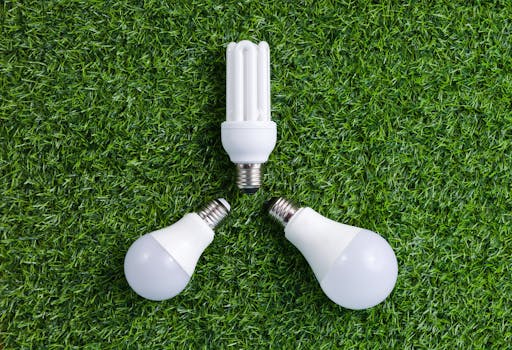
The Impact of LED Technology on the Environment
In recent years, the discussion around sustainable technology has gained significant traction, with a particular focus on the environmental impacts of our everyday tools and devices. One such technology that has stood out for its eco-friendly credentials is LED (Light Emitting Diode) technology. LED lighting is now omnipresent, from our homes and offices to streetlights and automotive headlights. But what exactly is the environmental impact of this technology? This article explores the benefits and potential downsides of LED technology and its overall effect on our planet.
What is LED Technology?
.png)
LED technology involves the use of diodes that emit light when connected to an electrical circuit. Unlike traditional incandescent bulbs, which produce light by heating a metal filament until it glows, LEDs achieve illumination through the movement of electrons in a semiconductor material. This fundamental difference in operation leads to many of the environmental benefits associated with LED lighting.
Energy Efficiency
One of the most significant advantages of LED lighting is its energy efficiency. LEDs use at least 75% less energy than incandescent lighting and 50% less than compact fluorescent lamps (CFLs). This high efficiency is primarily because LEDs convert a larger portion of energy into light rather than heat. The reduced energy consumption directly translates into decreased greenhouse gas emissions from power plants, particularly those that still rely on fossil fuels for electricity generation.
Longevity and Reduced Waste
LEDs not only use less energy but also last much longer than traditional bulbs. An average LED light can last up to 25,000 hours, compared to just 1,000 hours for an incandescent bulb and about 8,000 hours for a CFL. This extended lifespan reduces the frequency of replacement, which means fewer resources are used for manufacturing, packaging, and transportation over the long term. Consequently, LED technology can significantly decrease the amount of waste and resource depletion associated with lighting products.
Decreased Toxic Elements
Traditional fluorescent lighting fixtures contain small amounts of mercury, posing environmental and health risks during manufacturing, usage, and disposal. LEDs, however, do not contain mercury and are generally free from other toxic materials, making them a safer and more environmentally friendly option. This attribute not only helps in reducing toxic waste but also simplifies the recycling process.
Light Pollution and Ecological Impact
Despite their environmental benefits, LEDs are not without their concerns. One issue is the effect of LED lighting on light pollution. LEDs often emit a significant amount of blue light, which can scatter more widely in the atmosphere than the longer wavelengths of yellow and red light. This increased light scattering can exacerbate light pollution, affecting human health by disrupting circadian rhythms and harming nocturnal wildlife.
To mitigate these effects, many manufacturers are now producing LEDs with warmer colors and adjustable intensity levels. Furthermore, the design of lighting fixtures can also help control light dispersion and reduce unwanted light trespass and skyglow.
Energy Production Footprint
It's also crucial to consider the environmental impact of producing LED lights. While LEDs themselves are highly efficient and environmentally friendly, the manufacturing process is energy-intensive and involves the use of various rare earth elements, which have their own environmental and ethical concerns regarding mining and refinement.
Conclusion
LED technology offers a substantial net benefit to the environment, primarily due to its energy efficiency, longevity, and lack of toxic substances. However, like all technologies, it comes with challenges that need addressing, such as light pollution and the environmental impact of their production process. As technology advances and more sustainable production methods are developed, LEDs are likely to become even more environmentally friendly.
In conclusion, while LED technology is not a perfect solution, it represents a significant step forward in our quest for sustainable lighting solutions. By continuing to support advancements in LED technology and being mindful of how we implement these solutions, we can help minimize our environmental footprint and move towards a more sustainable future.