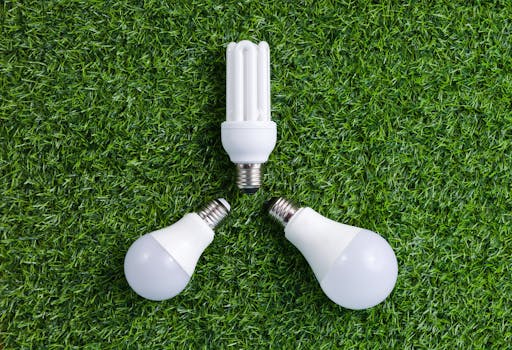
The evolution of lighting technology, particularly the rise of LED (Light Emitting Diode) technology, has marked a significant milestone in the pursuit of energy efficiency and environmental sustainability. LED lighting is rapidly becoming the preferred choice for both residential and commercial applications due to its lower energy consumption, longer lifespan, and reduced environmental impact compared to traditional lighting options like incandescent and fluorescent bulbs.
Understanding LED Technology
LEDs operate using a semiconductor that emits light when an electric current passes through it. This method of producing light is inherently more efficient than the techniques used in traditional lighting. Incandescent bulbs, for example, generate light by heating a filament until it glows, a process that wastes a significant amount of energy as heat. Similarly, fluorescent lights involve gas and a chemical reaction, which also leads to energy inefficiency.
.png)
Energy Efficiency and Cost Savings
LEDs stand out for their exceptional energy efficiency. They consume up to 90% less power than incandescent bulbs and about 50% less than fluorescent bulbs. This substantial reduction in energy consumption translates directly into cost savings for consumers. For example, replacing old light bulbs with LEDs in a typical home can slash lighting-related energy use dramatically, leading to lower utility bills.
Durability and Environmental Impact
Beyond energy efficiency, LEDs offer impressive durability, lasting up to 25,000 hours or more. This longevity reduces the need for frequent replacements, cutting down on waste and further lowering the long-term environmental impact. Additionally, unlike fluorescent lights, LEDs do not contain harmful chemicals like mercury, making them safer for the environment and easier to dispose of at the end of their life cycle.
Reducing Carbon Footprint
The lower energy requirements of LED lighting mean that less power needs to be produced by power plants, which typically generate significant amounts of greenhouse gases. By reducing the demand for energy from these sources, LEDs help decrease greenhouse gas emissions, contributing to efforts against climate change.
Compatibility with Renewable Energy
LEDs are also well-suited for use with renewable energy sources, which often produce less power compared to traditional energy grids. Their low power requirements make them ideal for systems powered by solar or wind energy, promoting the use of sustainable energy sources.
Economic Considerations
Despite their numerous benefits, LEDs have historically been more expensive upfront than traditional bulbs. However, the cost of LED technology has been declining steadily as the technology matures and production scales increase. When considering the longevity and energy savings of LEDs, the initial higher investment is quickly offset by lower operating costs.
Conclusion
The impact of LED technology on reducing energy consumption is profound and multifaceted. By offering high energy efficiency, longer lifespans, and compatibility with renewable energy sources, LEDs not only help save on electricity costs but also advance environmental goals. The widespread adoption of LED lighting represents a critical step forward in reducing global energy consumption and mitigating the effects of climate change. As more individuals, businesses, and governments recognize the benefits of LED technology, its role in shaping a sustainable future continues to grow.