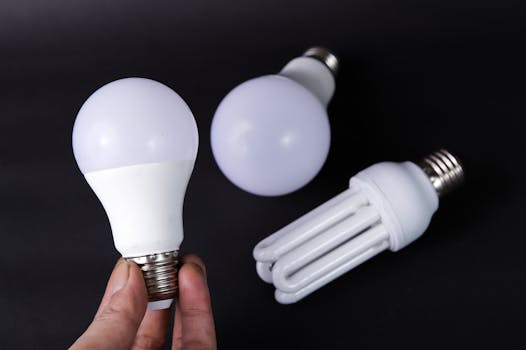
Lighting technology has seen tremendous change over the past two decades, with LED lamps emerging as a dominant force and challenging the long-standing reign of traditional bulbs. If you’re considering swapping out your old incandescent or compact fluorescent lights for LEDs—or you’re simply curious about the real differences—this comprehensive comparison will shed light on what sets these technologies apart. From energy efficiency and lifespan to environmental impact and cost considerations, understanding the facts can help you make the smartest choice for your home, office, or business.
Understanding the Basics: How LED Lamps and Traditional Bulbs Work
To appreciate the differences, it helps to know how each type of bulb produces light. Traditional incandescent bulbs generate light by heating a thin tungsten filament until it glows, a process that wastes a significant amount of energy as heat. Compact fluorescent lamps (CFLs) use an electric current to excite mercury vapor, which emits ultraviolet light; this is then converted into visible light by a phosphor coating.
LEDs (Light Emitting Diodes), on the other hand, utilize a semiconductor material that emits light when an electric current passes through it—a process called electroluminescence. This mechanism is inherently more energy-efficient, as less energy is lost as heat. In fact, studies show that LEDs convert up to 90% of the energy they consume into light, whereas traditional bulbs may waste up to 90% as heat.
.png)
Energy Efficiency: How Much Can You Really Save?
Perhaps the most significant difference between LED lamps and traditional bulbs is energy consumption. According to the U.S. Department of Energy, residential LEDs use at least 75% less energy and last up to 25 times longer than incandescent lighting.
Let’s look at a practical example: a typical 60-watt incandescent bulb produces about 800 lumens (a measure of brightness). To achieve the same brightness, an LED bulb only needs about 8-12 watts. This drastic reduction in power usage translates directly to lower electricity bills. The average American household has about 40 light sockets, and switching them all from incandescent to LED could save approximately $225 per year in energy costs, according to Energy Star.
CFLs are more efficient than incandescents but still fall short of LEDs. A CFL bulb delivering 800 lumens typically consumes around 13-15 watts—more than an LED, but significantly less than an incandescent.
Lifespan and Durability: Which Bulb Lasts Longer?
Another area where LEDs shine is longevity. The average LED lamp has a rated lifespan of 15,000 to 50,000 hours, compared to 1,000 hours for an incandescent bulb and about 8,000 hours for a CFL. This means that if you use a light for three hours a day, an LED could last over 15 years without needing replacement.
Durability is also a key advantage. LED bulbs are solid-state devices and contain no fragile filaments or glass enclosures that can break easily. This makes them more resistant to shocks, vibrations, and temperature extremes, making them ideal for outdoor or rough-service applications.
Light Quality and Performance: How Do They Compare?
While early LED lamps were sometimes criticized for harsh or unnatural light, modern LEDs offer a wide range of color temperatures and high color rendering index (CRI) values. The CRI measures how accurately a light source displays colors compared to natural sunlight; LEDs commonly have CRIs of 80 or above, with premium models reaching 90+. Traditional incandescents naturally score high on CRI, often above 95, due to their full-spectrum light, but CFLs can vary widely, sometimes dropping below 80.
LEDs also reach full brightness instantly, while CFLs may take 30 seconds or more to warm up. Moreover, LEDs can be dimmed and controlled with smart home systems, offering flexibility that many traditional bulbs cannot match.
Environmental Impact: Which Is the Greener Choice?
Environmental sustainability is an increasingly important factor in lighting choices. LEDs stand out here for several reasons:
- $1 As mentioned, their efficiency leads to less power plant emissions. - $1 Fewer replacements mean less waste. - $1 Unlike CFLs, LEDs contain no mercury or other toxic substances, making disposal safer.According to the International Energy Agency, switching all lighting in the world to LEDs by 2030 could save 1,400 terawatt-hours of electricity annually—the equivalent of eliminating the annual electricity consumption of Japan.
Traditional incandescent bulbs, while simpler to recycle, use more resources over time due to frequent replacements. CFLs, though more efficient than incandescents, pose disposal challenges due to their mercury content.
Cost Comparison: Upfront Price vs. Long-Term Value
One of the traditional barriers to LED adoption has been their higher initial cost. However, prices have fallen by more than 85% since 2010, making LEDs much more affordable today. Let’s break down the real cost difference over time:
| Bulb Type | Average Purchase Price | Average Lifespan (hours) | Electricity Use (watts, 800 lumens) | Total Cost Over 10 Years$1Assumes 3 hours/day usage and $0.13 per kWh electricity rate
As the table shows, while LEDs may cost slightly more upfront, their long life and low energy use make them the most economical choice in the long run. Practical Considerations: Where Each Bulb ExcelsWhile LEDs outperform traditional bulbs in most categories, there are still specific scenarios where older technologies might be chosen. For example, in environments where light is only needed very briefly, the cost difference might not justify an LED upgrade. Likewise, some specialty fixtures or dimming systems are designed for incandescent bulbs. However, for most households and businesses, LEDs are now the default choice for new installations and replacements. Their compatibility with a range of fixtures, ability to produce a variety of light colors, and the growing options for smart lighting integration make them versatile and future-proof. Final Thoughts on Comparing LED Lamps and Traditional BulbsThe evolution from incandescent and CFL bulbs to LED lamps marks a significant leap in lighting technology. LEDs offer clear advantages in energy efficiency, longevity, environmental impact, and overall cost savings. While traditional bulbs may still have niche uses, the overwhelming benefits of LEDs make them the best choice for most lighting applications today. As technology continues to advance, LED lamps are likely to become even more efficient, affordable, and customizable, reinforcing their place as the lighting solution for the future. FAQ Are LED lamps safe for my eyes compared to traditional bulbs? Yes, modern LED lamps are designed to meet safety standards and often include diffusers to reduce glare. They emit less UV and infrared light than traditional bulbs, making them safe for regular use. Can I use LED bulbs in any fixture that previously held incandescent or CFL bulbs? In most cases, yes. LEDs are available in standard sizes and bases, but always check the fixture’s specifications for compatibility, especially with dimmer switches or enclosed fixtures. Why do LEDs cost more than traditional bulbs upfront? LEDs use advanced semiconductor technology, which has historically made them more expensive to manufacture. However, prices have dropped significantly and their longer lifespan and energy savings quickly offset the initial cost. Do LED lamps contain any hazardous materials? No, LEDs do not contain mercury or other toxic substances, unlike CFLs. This makes them safer to handle and dispose of at the end of their life. How do I choose the right LED color temperature for my home? LED lamps come in a range of color temperatures, from warm white (2,700K) for cozy spaces to cool white (5,000K) for task lighting. Choose based on the mood and function of each room.
More from the archiveView full article archive →
the-led-lamp.com
Enhance Your Movie Nights: Best LED Lighting for Home Theaters
the-led-lamp.com
Maximize Your LED Lamp Lifespan: Essential Care and Usage Tips
the-led-lamp.com
Transform Your Garden: The Magic of LED Lighting for Outdoor Spaces
the-led-lamp.com
Boost Productivity with LED Lighting: Transform Your Workplace Now
the-led-lamp.com
Boost Retail Sales with LED Lighting: Strategies for Visual Merchandising
the-led-lamp.com
Enhance Your Reading Experience: Ultimate Guide to Choosing LED Lamps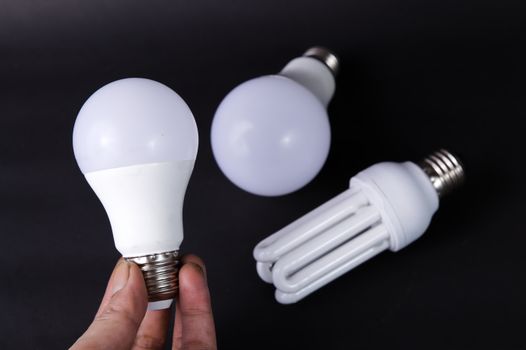
the-led-lamp.com
Unlock Massive Savings & Efficiency with LED Lighting: A Complete Guide
the-led-lamp.com
How Colored LED Lights Impact Mood and Psychology: A Deep Dive |
|---|