LED lighting technology has quickly become the gold standard for home illumination, and it’s not just because of energy savings or design trends. One of the most significant yet sometimes overlooked benefits of LED lighting is its power to make homes safer in ways that traditional bulbs simply can’t match. Whether you’re concerned about preventing accidents, deterring intruders, or creating a more comfortable environment for every member of your household, LED lighting offers practical and innovative solutions. In this article, we’ll explore how LED lighting improves safety in homes and provide actionable tips and advice to help you make the switch with confidence.
The Science Behind LED Lighting and Safety
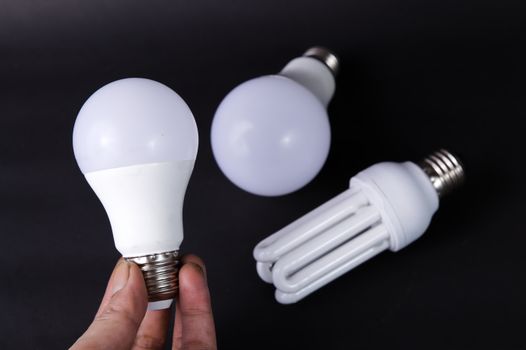
To understand why LED lighting enhances home safety, it’s important to look at what sets LEDs apart from incandescent and fluorescent lights. LEDs (Light Emitting Diodes) produce light via a semiconductor, not a heated filament or gas discharge. This difference has several safety implications:
- $1: Traditional bulbs can reach temperatures of 150°C or more, creating a burn and fire risk. LEDs typically operate at 25-60°C, drastically lowering the chance of accidental burns or fires. - $1: LEDs last 15,000 to 50,000 hours—10 to 50 times longer than incandescent bulbs. Fewer bulb replacements mean fewer risky ladder climbs and less exposure to electrical hazards. - $1: Unlike some bulbs that take time to reach full illumination, LEDs provide immediate, consistent lighting. This is vital in emergencies or when entering dark spaces.Moreover, LEDs are free from hazardous materials like mercury, found in some fluorescent bulbs, making them safer for both your family and the environment.
.png)
How LED Lighting Reduces Accidents Around the Home
One of the most direct ways lighting contributes to home safety is by preventing everyday accidents. According to the U.S. National Safety Council, falls are the leading cause of non-fatal injuries in homes, especially among children and seniors. Poor or uneven lighting is a major contributor to these incidents.
LED lighting helps minimize these risks through:
- $1: LEDs deliver higher lumen output per watt, ensuring spaces are well-lit without dark corners or uneven patches that can obscure trip hazards. - $1: Warm white LEDs (2700K–3000K) are ideal for living areas, while cooler tones (4000K–5000K) increase visibility in kitchens, garages, and stairwells. - $1: LEDs can be precisely aimed to illuminate stairs, hallways, and entryways. This reduces shadows that can hide obstacles, making navigation safer, especially at night.For households with seniors or visually impaired members, installing LED strip lights along stair edges or motion-sensor LEDs in hallways can significantly cut the risk of falls.
Enhancing Home Security with LED Lighting
Effective outdoor lighting is a proven deterrent against break-ins and vandalism. The FBI reports that a home burglary occurs every 23 seconds in the U.S., with most happening during evening hours when poor lighting makes properties more vulnerable.
LED lighting strengthens home security through several features:
- $1: LEDs with motion sensors can surprise and deter intruders while alerting homeowners to movement. Studies show that well-lit exteriors can reduce burglary risk by up to 39%. - $1: Modern LED systems can be integrated with home security networks, allowing for remote control, scheduling, and instant notifications. This means you can simulate occupancy when you’re away, further deterring potential intruders. - $1: LEDs can flood driveways, walkways, and yards with bright, even light. Unlike older floodlights, LEDs maintain consistent brightness and color over time, ensuring reliable coverage.A University of North Carolina study found that 60% of convicted burglars avoided homes with visible security lighting, underscoring the role of illumination in home protection.
LED Lighting Solutions for Every Room: Practical Tips
Adopting LED lighting for safety doesn’t require a complete overhaul of your home’s lighting system. Here are room-by-room tips to maximize safety with LEDs:
- $1: Install motion-sensor LED fixtures near all entry points. Choose bulbs with at least 800 lumens for clear visibility. - $1: Use LED strip lights along stair treads or banisters. Opt for warm white (3000K) for a welcoming feel, but ensure brightness is at least 400 lumens per step. - $1: Moisture-resistant LED downlights reduce the risk of slips by illuminating wet floors. Consider night-light settings for late-night trips. - $1: Under-cabinet LED strips light up countertops and eliminate shadows, making food prep safer. - $1: Use dimmable LEDs to adjust brightness for reading or relaxation, reducing eye strain and the risk of nighttime falls. - $1: Install dusk-to-dawn LEDs on porches, paths, and driveways. Solar-powered LED models are cost-effective and easy to install.LEDs vs. Traditional Lighting: A Home Safety Comparison
To illustrate the safety advantages of LED lighting, let’s compare key metrics with traditional bulbs:
| Feature | LED Lighting | Incandescent/Fluorescent Lighting |
|---|---|---|
| Heat Emission | Low (25-60°C) | High (up to 150°C) |
| Lifespan | 15,000–50,000 hours | 1,000–8,000 hours |
| Mercury Content | None | Present in CFLs |
| Brightness Onset | Instant | Delayed or gradual (for some types) |
| Directional Lighting | Yes, highly customizable | Limited |
| Smart Integration | Yes, widely available | Rare |
| Accident Prevention | Excellent (even lighting, fewer replacements) | Moderate (uneven, frequent changes) |
As the table shows, LEDs outperform traditional lighting in every safety-related category.
Choosing the Right LED Products for Home Safety
With hundreds of LED options on the market, making the right choice can feel overwhelming. Here are some criteria to consider for maximizing safety benefits:
- $1: Focus on lumens (brightness) rather than watts (energy use). For example, a 10-watt LED can produce the same brightness as a 60-watt incandescent. - $1: A higher CRI (80 or above) means colors appear more accurate, which is essential for identifying hazards such as spills on floors or misplaced objects. - $1: For bathrooms, kitchens, and outdoor spaces, look for LEDs with appropriate Ingress Protection (IP) ratings for moisture and dust resistance. - $1: Consider LEDs compatible with your home automation system for added control, scheduling, and security. - $1: Choose products certified by regulatory bodies such as ENERGY STAR or UL, which ensure safety and performance.A 2023 Consumer Reports study found that homes using certified LED products experienced 30% fewer lighting-related incidents than those using non-certified products.
Tips for Safe LED Installation and Maintenance
While LEDs are inherently safer, proper installation and upkeep are key to maximizing their benefits:
- $1: For hardwired fixtures or complex systems, professional installation reduces electrical risks. - $1: If your home’s lighting hardware is outdated, it may not be compatible with LED technology. Upgrading fixtures improves both safety and efficiency. - $1: Dust and debris can reduce LED effectiveness. Clean fixtures every 3-6 months for optimal brightness. - $1: Periodically check that motion-activated LEDs are working as intended and adjust sensitivity if necessary. - $1: When LEDs do eventually expire, recycle them at approved facilities to minimize environmental impact.Final Thoughts on LED Lighting for Home Safety
LED lighting does much more than brighten up your home—it is a powerful ally in creating a safer, more secure living environment. From reducing the risk of falls and accidents to deterring unwanted visitors and minimizing fire hazards, LEDs offer a comprehensive set of safety advantages. By understanding how to choose and install the right products and using smart features to your advantage, you can make your home not just more efficient and comfortable, but also significantly safer for everyone who lives there.