How LED Lights Affect Sleep Quality: Scientific Studies and Recommendations
The modern world is awash in artificial light, and LED lighting has quickly become the dominant choice for homes, workplaces, and public spaces. Their energy efficiency, long lifespan, and versatility make LEDs a clear winner over traditional bulbs. However, as we embrace this technology, a crucial question arises: how do LED lights affect our sleep quality? Scientific research over the past decade has shed light on the complex relationship between LED lighting and our natural sleep patterns. This article explores what science says about LEDs and sleep, highlights key studies, and offers practical recommendations to help you rest easier in an LED-lit world.
The Science Behind Sleep and Light Exposure
Sleep is regulated by our circadian rhythm—a 24-hour internal clock that governs the sleep-wake cycle. This rhythm relies heavily on environmental cues, especially light. Natural daylight, rich in blue wavelengths, signals to our brains that it's time to be awake. As evening falls and light levels decrease, our brains begin to produce melatonin, the hormone that induces sleepiness.
LED lights, particularly those with a high color temperature (above 5000K), emit significant blue light. This blue light mimics the wavelengths present in daylight, which can suppress melatonin production even after the sun has set. According to a 2017 study published in the journal $1, exposure to blue-rich light in the evening can delay the onset of sleep by up to 30 minutes and reduce overall sleep quality.
.png) Key Facts:
- The human circadian rhythm is most sensitive to blue light in the 460-480 nanometer range.
- Melatonin suppression can start with as little as 30 minutes of exposure to bright LEDs in the evening.
- A Harvard Medical School study found that blue light exposure before bedtime reduced melatonin levels by twice as much as green light exposure.
Key Facts:
- The human circadian rhythm is most sensitive to blue light in the 460-480 nanometer range.
- Melatonin suppression can start with as little as 30 minutes of exposure to bright LEDs in the evening.
- A Harvard Medical School study found that blue light exposure before bedtime reduced melatonin levels by twice as much as green light exposure.
LED Light vs. Other Light Sources: A Comparative Overview
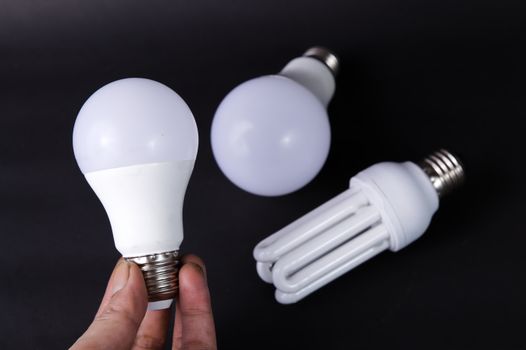
Not all artificial lights are created equal when it comes to their impact on sleep. Traditional incandescent bulbs emit a warmer, more yellowish light, while LEDs, especially those labeled “cool white” or “daylight,” emit more blue light. Compact fluorescent lamps (CFLs) fall somewhere in between.
Below is a comparison of how different light sources affect melatonin suppression and, by extension, sleep quality:
| Light Source | Color Temperature (K) | Blue Light Emission | Melatonin Suppression (%) |
|---|---|---|---|
| Incandescent Bulb | 2700 | Low | 12% |
| CFL | 3500-4100 | Medium | 18% |
| LED (Cool White) | 5000-6500 | High | 23% |
| LED (Warm White) | 2700-3000 | Lower | 14% |
These numbers, based on a 2018 review published in $1, demonstrate that LED lighting—especially at higher color temperatures—has a more pronounced effect on melatonin suppression than other common light sources.
Key Scientific Studies on LEDs and Sleep Quality
Several landmark studies have examined how exposure to LED lighting affects human sleep. Here are some of the most influential findings:
1. Harvard Medical School (2012): Researchers compared the effects of 6.5 hours of blue light exposure to green light exposure of equal brightness. Blue light suppressed melatonin for about twice as long and shifted circadian rhythms by twice as much (3 hours vs. 1.5 hours). 2. University of Basel, Switzerland (2013): A study found that people exposed to LED-backlit screens for two hours before bed experienced significantly delayed melatonin onset, took longer to fall asleep, and reported feeling sleepier the next day. 3. Rensselaer Polytechnic Institute (2015): Volunteers exposed to LED light with a high blue content in the evening showed a measurable 20% reduction in melatonin and a delay in the timing of their circadian clocks. 4. Seoul National University (2021): A study of 1,800 adolescents concluded that those with bedroom exposure to LED lighting (particularly from screens and overhead lights) reported shorter sleep duration and more daytime sleepiness compared to those using warmer, dimmer lights.These studies consistently show that the blue light component in LEDs can disrupt sleep when used in the evening, particularly in the hours leading up to bedtime.
Real-World Impacts: Sleep Disorders and Health Risks
The effects of LED lighting on sleep aren’t just theoretical. Poor sleep quality, linked to evening blue light exposure, has been connected to a range of health issues:
- Insomnia: Chronic exposure to blue-rich LED lighting in the evening can result in difficulty falling or staying asleep. - Mood Disorders: Insufficient sleep increases the risk of depression and anxiety. A 2020 review in the journal $1 found a 58% higher risk of depressive symptoms in people with chronic sleep disruption. - Obesity and Diabetes: Sleep deprivation changes the way the body processes glucose and regulates appetite hormones, increasing the risk of metabolic disorders. - Impaired Cognitive Performance: Even a single night of poor sleep can reduce alertness, memory, and decision-making ability.In children and teens, who are especially sensitive to blue light, excessive evening exposure from LEDs (including screens) is now recognized as a significant factor in the rise of sleep disorders among youth.
LED Lighting Recommendations for Better Sleep
Fortunately, you don’t have to banish LEDs from your home to protect your sleep. Instead, you can make informed choices to minimize negative effects:
1. $1 Opt for bulbs labeled 2700K–3000K in bedrooms and living areas. These emit less blue light and have a softer, more relaxing glow. 2. $1 Dim your lights 1-2 hours before your planned bedtime. Consider using lamps instead of overhead fixtures in the evening. 3. $1 Most modern smartphones, tablets, and computers offer “night mode” or “blue light filter” settings, which reduce blue light emission. Studies show these can reduce melatonin suppression by up to 50%. 4. $1 Many smart LED bulbs allow you to adjust color temperature and brightness automatically, simulating natural sunset and sunrise patterns. 5. $1 If you must use screens or LED lighting late at night, blue-blocking glasses have been shown in clinical studies to significantly reduce melatonin suppression and improve sleep onset. 6. $1 Exposure to bright natural light in the morning helps anchor your circadian rhythm and makes you less sensitive to artificial light in the evening.How to Create a Sleep-Friendly Environment with LEDs
Transforming your home lighting for better rest doesn’t require a major overhaul. Here are practical steps:
- Replace bedroom and bedside bulbs with warm-white (2700K) LEDs. - Use dimmers or smart bulbs to lower brightness in the evening. - Avoid using cool-white or daylight bulbs in areas where you relax at night. - Set electronic devices to activate night mode automatically after sunset. - Incorporate indirect lighting (such as wall sconces or under-cabinet lights) to reduce glare and eye strain.For families, establish a “digital sunset”—a consistent time when screens and bright lights are turned off to signal the beginning of the wind-down period.
Final Thoughts on LED Lights and Sleep Quality
LED lighting offers tremendous benefits for energy savings and design flexibility, but it’s important to acknowledge and manage its potential downsides for sleep health. Scientific studies leave little doubt that blue-rich LED light in the evening can disrupt melatonin production and sleep patterns. However, with smart choices—such as selecting warm-white bulbs, dimming lights in the evening, and using technology to filter blue light—you can enjoy the advantages of LED lighting without sacrificing a good night’s rest. As research continues, guidelines will become even more refined, but the foundation is clear: mindful lighting choices are essential for sleep quality in the age of LEDs.