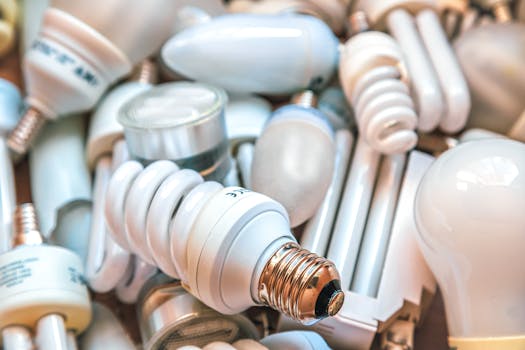
Switching from traditional bulbs to LED lamps has become a global trend over the last decade, but the move isn’t just about following the latest fad. Understanding how LED lamps truly differ from their incandescent, halogen, and compact fluorescent lamp (CFL) counterparts is key to making informed choices for your home, office, or business. In this comprehensive comparison, we’ll dive deep into the real differences between LED lamps and traditional bulbs, examining energy usage, longevity, environmental impact, light quality, and cost considerations. Whether you’re upgrading a single desk lamp or outfitting an entire building, these insights will help you see the light—literally and figuratively.
Understanding the Basics: What Are LED Lamps and Traditional Bulbs?
Before exploring the differences, it’s important to clarify what we mean by “LED lamps” and “traditional bulbs.” Traditional bulbs typically refer to incandescent bulbs, halogen lamps, and older compact fluorescent lamps (CFLs):
- Incandescent bulbs produce light by heating a filament until it glows. Common since the late 19th century, they are known for their warm light but are notoriously inefficient. - Halogen lamps are a type of incandescent that use halogen gas to increase efficiency and lifespan, but still share many drawbacks of their predecessors. - CFLs use a different technology, creating light by exciting gas within a tube, but have fallen out of favor due to concerns over mercury content and warm-up time.LED lamps (Light Emitting Diodes), on the other hand, generate light by passing an electrical current through a semiconductor, resulting in visible light without the need for heat or gas discharge. The technology jump is significant, and the implications are vast.
.png)
Energy Efficiency: How Much Power Do You Really Save?
One of the most compelling reasons for switching to LEDs is their exceptional energy efficiency. According to the U.S. Department of Energy, LED lamps use at least 75% less energy than incandescent bulbs and last 25 times longer. This efficiency translates directly into lower electricity bills.
Let’s look at some real numbers. A standard 60-watt incandescent bulb produces about 800 lumens of light. To produce the same brightness, a typical LED lamp requires only about 8-12 watts. Over the course of a year, if you run a lamp for three hours daily, an incandescent will consume roughly 66 kWh, while an LED uses only 8-13 kWh. At an average U.S. electricity cost of 15 cents per kWh, that’s a savings of about $8.70 per bulb per year. Multiply that by the number of bulbs in your home, and the difference becomes substantial.
CFLs sit between incandescents and LEDs, using roughly 13-15 watts to produce 800 lumens. While better than incandescents, they still can’t match the efficiency of modern LEDs.
Longevity and Maintenance: Which Bulb Lasts Longer?
Traditional incandescent bulbs have a relatively short lifespan—typically about 1,000 hours. Halogen bulbs improve upon this, lasting around 2,000 hours, while CFLs can last 8,000 to 10,000 hours under optimal conditions. By contrast, LED lamps routinely boast lifespans of 15,000 to 50,000 hours.
To put this in perspective, if you use a light for three hours a day: - An incandescent bulb will burn out in less than a year. - A halogen might last two years. - A CFL could operate for 7-9 years. - An LED lamp could potentially last over 20 years.This longevity means fewer replacements, less hassle, and reduced maintenance costs—a major benefit in both residential and commercial settings.
Environmental Impact: Beyond the Energy Bill
The benefits of LEDs extend beyond simple energy savings. The environmental impact of light bulbs includes both their operational energy consumption and their manufacture, disposal, and recyclability.
Incandescent and halogen bulbs are energy hogs, leading to higher greenhouse gas emissions from power plants. CFLs, while more efficient, contain small amounts of toxic mercury, which presents disposal challenges. According to the U.S. Environmental Protection Agency, over 600 million CFLs are discarded annually, potentially releasing as much as four tons of mercury into the environment.
LEDs, in contrast, contain no hazardous mercury and are fully recyclable. Their long life means fewer bulbs end up in landfills. Moreover, because they use so much less energy, they help reduce overall carbon emissions. A 2019 study by the International Energy Agency found that widespread adoption of LED technology could cut global electricity demand for lighting by more than 30% by 2030.
Light Quality and Versatility: Does LED Match Up?
Early criticisms of LED lighting centered around color quality and the “cold” or “harsh” nature of early models. However, LED technology has advanced rapidly. Today, LEDs are available in a vast range of color temperatures, from warm (2700K-3000K) to daylight (5000K-6500K), and can even be tuned for specific applications—think circadian lighting that adjusts throughout the day.
Traditional incandescents are prized for their warm, inviting glow (around 2700K), while halogens offer slightly whiter light. CFLs can vary, but often suffer from color rendering issues and flickering.
LEDs now frequently achieve Color Rendering Index (CRI) scores above 80, with premium models reaching 90 or higher, meaning they render colors just as naturally as traditional bulbs. Dimmable options, smart controls, and even color-changing features further enhance their versatility.
Cost Comparison: Upfront Price vs. Long-Term Value
One area where traditional bulbs once held an edge was in upfront cost. Incandescent bulbs can be bought for less than a dollar, while LEDs, until recently, were several dollars each. However, prices for LEDs have dropped sharply over the past decade due to mass adoption and technological advances.
To illustrate, here’s a comparison table of typical costs and lifespans for each bulb type (as of 2024):
| Bulb Type | Initial Cost (per bulb) | Wattage for 800 Lumens | Average Lifespan (hours) | Estimated Annual Energy Cost$1Estimated energy cost based on 3 hours/day at $0.15 per kWh.
While LEDs may cost a bit more up front, the savings in energy and replacement costs quickly offset the initial investment. Over the course of 25,000 hours (the average LED lifespan), you’d need to buy and replace 25 incandescent bulbs, 12 halogens, or 3 CFLs, but only one LED. Other Considerations: Safety, Heat, and Smart FeaturesThere are a few additional factors to consider when comparing LEDs to traditional bulbs: - $1: Incandescent and halogen bulbs waste up to 90% of their energy as heat, making them hot to the touch and potentially hazardous in enclosed fixtures or near flammable materials. LEDs remain cool even after hours of use, making them safer and reducing air-conditioning costs. - $1: LEDs are solid-state devices, meaning they’re more resistant to shocks, vibrations, and rough handling than the fragile filaments or tubes in traditional bulbs. - $1: LEDs reach full brightness instantly, whereas many CFLs have a noticeable warm-up period. - $1: Many new LEDs are compatible with smart home systems, offering features like remote control, scheduling, and color tuning that are impossible with traditional technologies.Final Thoughts: Making the Right Choice Between LED and Traditional BulbsThe real differences between LED lamps and traditional bulbs go far beyond the technology inside. When you compare the numbers—energy use, lifespan, cost, and environmental impact—LEDs emerge as the clear winner for almost every application. While some may still appreciate the nostalgic glow of incandescent bulbs, the practical, financial, and environmental advantages of LEDs are hard to ignore. As prices continue to fall and technology advances, LEDs are poised to become the universal choice for efficient, high-quality lighting. Whether you’re motivated by savings, sustainability, or simply convenience, making the switch to LEDs is a bright idea. FAQ How much can I save by switching from incandescent bulbs to LED lamps? Switching a single 60W incandescent to a 10W LED for 3 hours per day can save about $8.50 per year in energy costs. For a household with 20 bulbs, that’s $170 annually. Do LED lamps work in all existing light fixtures? Most modern LED lamps are designed to fit standard sockets and fixtures. However, for enclosed fixtures or dimmers, make sure to choose LEDs labeled as compatible. Are LED lamps truly better for the environment? Yes. LEDs use less energy, last much longer, and contain no hazardous materials like mercury, reducing landfill waste and pollution. Is there a noticeable difference in light quality between LEDs and traditional bulbs? Today’s LEDs can match or exceed the color quality of traditional bulbs, offering a wide range of color temperatures and high color rendering. Do LEDs really last as long as advertised? In most cases, yes. LEDs can last 15,000 to 50,000 hours, but actual lifespan depends on usage, heat management, and quality of the product.
More from the archiveView full article archive →
the-led-lamp.com
Enhance Your Movie Nights: Best LED Lighting for Home Theaters
the-led-lamp.com
Maximize Your LED Lamp Lifespan: Essential Care and Usage Tips
the-led-lamp.com
Transform Your Garden: The Magic of LED Lighting for Outdoor Spaces
the-led-lamp.com
Boost Productivity with LED Lighting: Transform Your Workplace Now
the-led-lamp.com
Boost Retail Sales with LED Lighting: Strategies for Visual Merchandising
the-led-lamp.com
Enhance Your Reading Experience: Ultimate Guide to Choosing LED Lamps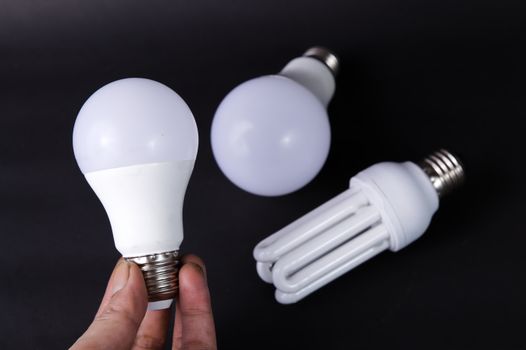
the-led-lamp.com
Unlock Massive Savings & Efficiency with LED Lighting: A Complete Guide
the-led-lamp.com
How Colored LED Lights Impact Mood and Psychology: A Deep Dive |
|---|