Industrial environments—factories, warehouses, refineries, and plants—have always relied on powerful, reliable lighting to keep operations running safely and efficiently. For decades, traditional lighting technologies like high-pressure sodium, metal halide, and fluorescent lamps dominated these spaces. But over the past decade, LED (Light Emitting Diode) technology has swept through the industrial sector, setting new benchmarks in energy efficiency, operational safety, and intelligent control. In this in-depth look, we explore how LED technology is revolutionizing industrial lighting, the tangible benefits businesses are experiencing, and the trends shaping the future of industrial illumination.
The Industrial Lighting Revolution: Why LEDs Lead the Way
The global industrial lighting market reached a value of $10.7 billion in 2023, with LEDs accounting for over 60% of new installations, according to Grand View Research. This meteoric rise isn’t just about brighter bulbs—LEDs are fundamentally changing how industrial lighting is designed, managed, and maintained.
Unlike traditional bulbs, which produce light by heating a filament or ionizing gas, LEDs use semiconductors to emit light when current passes through them. This approach delivers several critical advantages: vastly improved energy efficiency, longer lifespan, instant-on capabilities, and far greater control over light intensity and color temperature. In high-demand environments where lighting represents up to 50% of total electricity usage, these differences translate directly into big savings and operational improvements.
.png)
For example, a 2022 study by the U.S. Department of Energy found that switching from metal halide to LED in a 100,000-square-foot warehouse reduced lighting energy consumption by 65% while improving light quality and safety. As we’ll see, the implications go far beyond energy savings.
Key Benefits of LED Technology in Industrial Settings
LED technology offers a host of benefits uniquely suited to the rigorous demands of industrial environments. Here are some of the most impactful:
1. $1: LED fixtures consume 50-80% less energy than conventional industrial lighting. In a typical facility operating 24/7, this can translate into annual savings of $20,000 or more for every 100 fixtures replaced. 2. $1: High-quality LED industrial lights routinely last 50,000–100,000 hours. That’s 5–10 times longer than metal halide or fluorescent lamps, drastically reducing maintenance costs and downtime. 3. $1: LEDs handle vibration, shock, and extreme temperatures far better than fragile glass bulbs or tubes. This is crucial in areas with heavy machinery or temperature fluctuations. 4. $1: LEDs offer higher Color Rendering Index (CRI) values, often 80+, allowing for more accurate color discrimination—important for quality control and safety. They also allow for targeted beam angles, reducing glare and wasted light. 5. $1: Unlike traditional lamps that flicker or take minutes to reach full brightness, LEDs provide instant illumination and are fully dimmable, supporting smarter, adaptive lighting strategies. 6. $1: LEDs contain no mercury or hazardous chemicals, and their high efficiency means lower greenhouse gas emissions. In 2022, global adoption of LED lighting was estimated to eliminate over 1.5 billion tons of CO₂ emissions annually.Comparing Industrial Lighting Technologies: LED vs. Traditional Solutions
To clearly illustrate the shift, let’s compare the key performance metrics of LEDs with the most common traditional lighting types used in industrial facilities.
| Feature | LED | Metal Halide | Fluorescent | High-Pressure Sodium |
|---|---|---|---|---|
| Energy Efficiency (Lumens/Watt) | 110–160 | 60–100 | 50–100 | 80–120 |
| Lifespan (Hours) | 50,000–100,000 | 10,000–20,000 | 7,000–30,000 | 24,000 |
| Warm-up Time | Instant | 5–15 mins | Instant | 10–20 mins |
| Color Rendering Index (CRI) | 80–98 | 60–70 | 75–85 | 20–30 |
| Mercury Content | None | Yes | Yes | Yes |
| Dimmable | Yes | No | Limited | No |
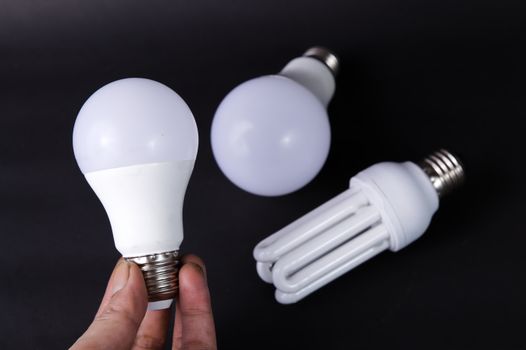
From the table, it’s clear that LEDs outperform traditional technologies in nearly every key area, especially lifespan, efficiency, and environmental safety.
Intelligent Lighting: The Rise of Smart LEDs in Industry
One of the most exciting trends is the integration of LEDs with smart controls and IoT (Internet of Things) systems. Smart LED lighting networks use sensors, wireless communication, and advanced software to create adaptive, energy-optimized lighting environments.
For instance, occupancy sensors automatically dim or turn off lights in unused areas, while daylight sensors adjust output based on available natural light. Facility managers can monitor and control lighting from a central dashboard, scheduling illumination based on production shifts or safety needs.
The impact is substantial: According to Navigant Research, smart lighting systems in industrial facilities can deliver an additional 30–40% energy savings on top of standard LED upgrades. In a 2023 case study, a German automotive plant reduced annual electricity costs by $150,000 after implementing a smart LED lighting system across its 24/7 assembly lines.
Moreover, smart LEDs support predictive maintenance by alerting staff when fixtures are reaching end-of-life or require attention, further reducing downtime and maintenance labor.
Safer, Healthier Work Environments Through Better Lighting
Lighting isn’t just about seeing clearly—it directly affects worker safety, productivity, and well-being. Poor lighting is a contributing factor in up to 20% of industrial accidents, according to the International Labour Organization.
LEDs have enabled significant improvements in this area: - $1: Unlike many fluorescent or metal halide lights, LEDs can be engineered to operate without perceptible flicker, reducing eye strain and headaches. - $1: LEDs can be tuned to provide cooler, daylight-like illumination for tasks requiring attention to detail or warmer tones for break areas, improving alertness and comfort. - $1: Advanced optics in LED fixtures minimize shadows and dark spots, reducing trip hazards and improving visibility for machine operation and inspections.A 2021 survey by the British Safety Council found that facilities upgrading to LED lighting reported a 15% decrease in workplace incidents related to poor visibility and a 12% increase in worker satisfaction with their environment.
Emerging Trends: What’s Next for Industrial LED Lighting?
As adoption accelerates, new and exciting trends are shaping the next wave of industrial LED lighting:
1. $1: Facilities are experimenting with dynamic LED systems that adjust color temperature and intensity throughout the day to support workers’ natural circadian rhythms, boosting alertness and mood. 2. $1: Industrial LEDs are increasingly tied into broader automation platforms, allowing lighting to respond in real-time to production schedules, occupancy, and even machinery status. 3. $1: Advances in wireless technology enable rapid reconfiguration of lighting layouts in flexible manufacturing spaces, supporting lean and agile operations. 4. $1: With the falling cost of photovoltaics, some remote or off-grid industrial sites are deploying solar-powered LED lighting systems, further reducing their carbon footprint. 5. $1: Smart lighting networks are generating valuable data on space usage, occupancy patterns, and energy consumption, helping facility managers optimize not just lighting but overall operations.Looking Ahead: LEDs as the Backbone of Industrial Lighting
The transformation brought by LED technology in industrial lighting is profound and ongoing. With their unmatched efficiency, reliability, and adaptability, LEDs have become the backbone of modern industrial illumination. Facilities that embrace these innovations are seeing real-world benefits: lower energy bills, fewer maintenance headaches, safer and more productive workplaces, and a smaller environmental footprint.
As smart controls and IoT integration become standard, the gap between traditional and LED lighting will only widen. Factories, warehouses, and plants that invest in advanced LED solutions today are not just upgrading their lights—they’re future-proofing their operations for years to come.