How LED Lighting Affects Colors in Interior Design: Tips for Designers
Lighting is more than just a tool to illuminate a space—it’s a fundamental element of interior design that shapes mood, highlights features, and, crucially, determines how we perceive color. With the rise of LED lighting in homes, offices, and commercial environments, understanding how LEDs influence color has become essential for designers aiming to achieve their creative vision. The impact of LED lighting on color isn’t just a technicality; it can make or break the success of an interior scheme.
This article dives deep into how LED lighting affects colors in interior design, unpacks the science behind color rendering, and offers actionable tips for designers to ensure their projects look flawless under LEDs. Whether you’re planning a dramatic living room, a serene spa, or a vibrant retail space, mastering LED lighting and its effects on color is a game-changer.
The Science Behind LED Lighting and Color Perception
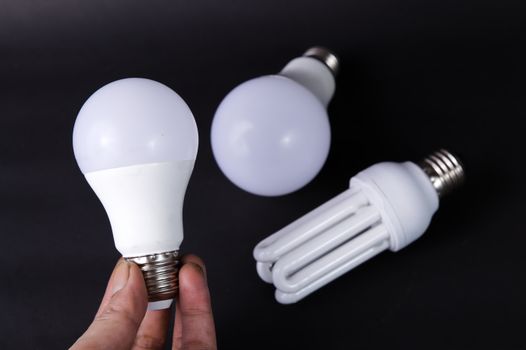
Before diving into practical tips, it’s important to understand the science that governs how LED lighting interacts with colors. LEDs (Light Emitting Diodes) produce light differently from traditional incandescent or fluorescent bulbs. Instead of emitting continuous light across the visible spectrum, LEDs create light by combining specific wavelengths, which can lead to subtle differences in how colors appear.
.png)
A critical concept here is the Color Rendering Index (CRI), a scale from 0 to 100 that measures how accurately a light source displays colors compared to natural sunlight. The higher the CRI, the more true-to-life colors will appear. For instance, sunlight has a CRI of 100, while many standard LEDs range from 80 to 95.
According to the U.S. Department of Energy, most high-quality LEDs now achieve CRIs above 80, but for tasks where color accuracy is crucial—like in art galleries, clothing stores, or kitchens—designers should seek LEDs with a CRI of 90 or higher.
Another key factor is color temperature, measured in Kelvins (K). Warm light (2700K-3000K) creates a cozy, yellowish glow, while cool light (4000K-6500K) emits a bluish-white tone. Both the CRI and color temperature significantly impact how furniture, wall colors, and décor are perceived.
How LED Lighting Alters Color Appearance
LED lighting can dramatically enhance—or distort—the colors in a room. Here’s how:
- Whites and Neutrals: Under low-CRI LEDs, whites may look grayish or yellow, while high-CRI LEDs keep them crisp and true. - Reds and Oranges: These warm hues can appear more muted or altered under cool, low-CRI LEDs. A high-CRI, warm-light LED will maintain their vibrancy. - Blues and Greens: Cool LEDs can intensify blue tones, sometimes making them appear more saturated than intended. - Pastels and Subtle Shades: Low-quality LEDs may cause softer colors to appear flat, lifeless, or washed out.A 2022 study by the Illuminating Engineering Society showed that 62% of interior designers reported needing to adjust their color choices after seeing how their selections appeared under LED lighting, highlighting the importance of real-world testing.
Let’s look at a simple comparison table showing how different LED characteristics affect color perception:
| LED Characteristic | Impact on Color | Typical Application |
|---|---|---|
| Low CRI (<80) | Colors appear dull, inaccurate; whites may yellow | Utility rooms, garages |
| High CRI (90+) | Colors appear vibrant and true to life | Kitchens, art studios, retail |
| Warm Color Temp (2700K-3000K) | Enhances reds/yellows, creates cozy feel | Living rooms, bedrooms |
| Cool Color Temp (4000K-6500K) | Enhances blues, boosts alertness | Offices, hospitals, modern kitchens |
Choosing the Right LED Lighting for Interior Projects
Selecting the right LED lighting is as important as choosing paint or fabrics. Here are expert tips for making the best choices:
1. $1 For spaces where color accuracy is essential—such as kitchens, bathrooms, art displays, and retail—opt for LEDs with a CRI of 90 or above. This ensures that skin tones, food, and artwork appear as intended. 2. $1 Match the LED color temperature to the desired mood and palette: - Warm (2700K-3000K): Ideal for living areas, bedrooms, and spaces with warm color palettes. - Neutral (3500K-4100K): Works well in offices, bathrooms, and transitional spaces. - Cool (5000K-6500K): Suits task areas, modern kitchens, and commercial environments. 3. $1 Always view paint samples, fabrics, and finishes under the intended LED lighting. This real-world test can reveal unwanted color shifts or highlights. 4. $1 Combine ambient, task, and accent lighting. Using different types of LED fixtures—such as downlights, strips, and wall washers—can help balance color perception and reduce unwanted shadows or glare. 5. $1 Dimmable LEDs allow designers to adjust brightness and mood, but be aware that some dimming systems can subtly change the color temperature, affecting how colors are seen.Common Color Pitfalls with LED Lighting—and How to Avoid Them
Even experienced designers can be caught off guard by the nuances of LED lighting. Here are some common pitfalls and how to sidestep them:
- $1 A wall painted in a subtle gray may take on a purple or green hue under certain LEDs. To avoid surprises, use sample boards and test in situ with the planned lighting. - $1 Mixing different LED brands or types in one room can create inconsistent color rendering. Stick to the same manufacturer and product line when possible for uniformity. - $1 Using only cool LEDs in a cozy lounge can make it feel sterile, while all-warm LEDs in a modern office can seem dated. Balance is key—consider adjustable color temperature fixtures for flexibility. - $1 Shiny floors, countertops, or metallic accents can reflect LED light and distort colors. Evaluate how these surfaces interact with your chosen LEDs.According to a 2023 survey by the American Society of Interior Designers, 74% of professionals reported that client satisfaction increased when lighting and color were coordinated from the outset.
LED Innovations: Tunable White and Smart Lighting
Recent advances in LED technology have given designers even more control over color and mood. Two standout innovations are tunable white LEDs and smart lighting systems:
- $1 These fixtures allow the user to adjust color temperature from warm to cool within the same light source, typically ranging from 2700K to 6500K. This flexibility is perfect for multipurpose spaces or for clients who want to change the ambiance throughout the day. - $1 App-controlled LEDs let users fine-tune brightness, color temperature, and even hue. For instance, Philips Hue and LIFX offer millions of color options, enabling designers to experiment and adapt with ease.These technologies not only enhance design flexibility but also help future-proof interiors as tastes and requirements evolve. According to Statista, the global smart lighting market is expected to surpass $38 billion by 2026, highlighting the growing importance of adaptive lighting in design.
Real-World Examples: LED Lighting in Action
To illustrate the impact of LED lighting on color in real environments, consider these examples:
- $1 The Museum of Modern Art in New York uses high-CRI, tunable white LEDs to ensure that artwork is seen in the most accurate light possible, preserving the artist’s intent. - $1 Fashion retailers like H&M and Nike use tailored LED systems to enhance the colors of clothes and products, creating a more appealing display and reducing returns due to color discrepancies. - $1 In luxury homes, designers often specify layered LED systems—combining ambient, accent, and task lighting—to highlight architectural features and set the perfect mood for every occasion.In all these cases, the choice of LED lighting is as strategic as any other design decision, with a direct impact on how colors are experienced.
Elevating Interior Design with the Right LED Lighting Choices
The relationship between LED lighting and color in interior design is both science and art. Understanding the nuances of CRI, color temperature, and real-world application allows designers to create spaces that not only look beautiful but also function as intended. With advancements in tunable and smart LEDs, the possibilities are greater than ever.
For designers, the bottom line is clear: Never underestimate the power of lighting to transform color. By integrating lighting choices early in the design process and testing materials under actual conditions, you can ensure that your vision translates perfectly from concept to reality.