Lighting plays a crucial role in how we perceive and appreciate art. From the delicate hues of a watercolor painting to the bold textures of a bronze sculpture, the right illumination can elevate an artwork’s impact, clarity, and even its preservation. In recent years, LED lighting has revolutionized the art world by offering greater control, efficiency, and creative possibilities. But not all art benefits from the same lighting approach. In this comprehensive guide, we’ll explore how LED lighting differs for various types of art—including paintings, photographs, sculptures, and mixed-media installations—so you can make informed decisions whether you’re curating a gallery, designing a home display, or simply appreciating art in a new light.
The Science Behind LED Lighting for Art
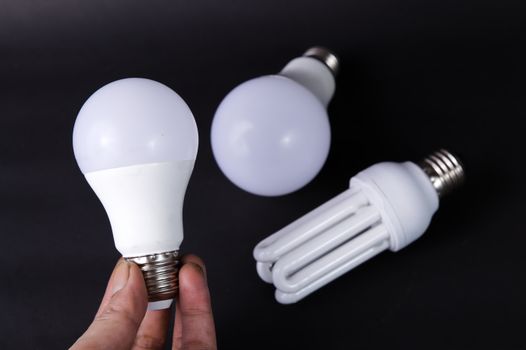
Understanding how LED lighting interacts with art begins with a look at some fundamental concepts: color rendering, color temperature, and UV emissions. LEDs (Light Emitting Diodes) have become the preferred choice in galleries and museums because they offer significant advantages over traditional lighting.
One of the main metrics for art lighting is the Color Rendering Index (CRI). This scale, ranging from 0 to 100, measures how accurately a light source displays colors compared to natural sunlight. For art, a CRI of 90 or higher is recommended. Many high-quality LED lights now offer CRIs of 95+, which ensures that the subtle variations and full spectrum of colors in paintings and photographs are visible.
.png)
Color temperature, measured in Kelvins (K), also affects how an artwork is perceived. Warm lights (2,700–3,000K) can enhance earth tones and create a cozy atmosphere, while neutral or cool lights (4,000–5,000K) can bring out crisp details and vibrant colors.
Crucially, LEDs emit negligible ultraviolet (UV) and infrared (IR) radiation, which means they won’t cause fading, yellowing, or heat damage to sensitive artworks—a common problem with halogen or incandescent bulbs. According to a 2022 study by the US Department of Energy, LED lighting can reduce UV exposure by over 90% compared to older technologies.
Lighting Paintings: Precision and Preservation
Paintings, whether oil, acrylic, or watercolor, present unique challenges. Color accuracy, texture visibility, and long-term preservation are the top priorities. For centuries, museums have struggled to balance the need for sufficient illumination with the risk of photodegradation—damage caused by prolonged light exposure.
With LED lighting, curators can fine-tune both intensity and spectrum. For oil paintings, which often feature rich, layered colors, a neutral white light (around 3,000–3,500K) with a high CRI (above 90) is ideal. This allows the viewer to appreciate both the surface texture and the artist’s intended palette without distortion.
Watercolors and pastels are even more vulnerable to light. The Getty Conservation Institute recommends limiting illumination to 50–150 lux for these mediums. LED systems allow for precise dimming and often come with integrated sensors that adjust lighting based on ambient conditions, minimizing exposure and extending the life of the artwork.
Furthermore, LEDs can be installed in track lighting or recessed fixtures, allowing for flexible adjustment without directing heat onto the canvas—a significant advantage for paintings on delicate or historic substrates.
Photographs and Prints: Balancing Contrast and Detail
Photographs and prints, especially those produced with traditional chemical processes or archival inks, demand lighting that can reveal subtle contrasts without introducing glare or color shifts. Black-and-white photographs, for example, benefit from neutral white LEDs (around 4,000K) to maintain true grayscale differentiation.
A common issue with glossy or glass-covered prints is reflective glare, which can obscure detail and make viewing uncomfortable. To counter this, LED fixtures with anti-glare coatings or diffusers are frequently used. These distribute light more evenly across the surface, reducing hotspots.
For color photography, maintaining accurate color rendition is paramount. A study conducted by the International Association of Lighting Designers found that LEDs with a CRI above 93 preserve color accuracy far better than fluorescent or halogen options. As a result, major institutions like The Metropolitan Museum of Art have upgraded their photo galleries with tunable LED systems, allowing curators to optimize lighting for each exhibition.
Sculpture and 3D Art: Highlighting Form and Texture
Unlike two-dimensional art, sculptures and three-dimensional installations interact with light in complex ways. The goal is to enhance their form, cast expressive shadows, and reveal surface details—all without overwhelming the viewer’s senses.
LED lighting excels here due to its directional control and flexibility. Adjustable spotlights can be aimed to accentuate specific facets, while ambient LED washes can provide gentle, all-around illumination. For metallic or highly reflective sculptures, cooler white LEDs (4,000–5,000K) can accentuate sheen and sharp edges, while warmer LEDs can soften the appearance of stone or wood.
Additionally, LEDs are available in a range of beam angles—from narrow spots (as little as 10 degrees) to wide floods (over 60 degrees)—allowing curators to sculpt the light as precisely as the artist shaped the material. Many contemporary art spaces use programmable LED systems to create dynamic lighting scenes, shifting emphasis throughout the day or in response to visitor movement.
Mixed Media and Digital Art: Adapting to Innovation
Modern and contemporary artists often use unconventional materials—plastics, metals, glass, and even digital screens—to push the boundaries of traditional art. These works require lighting that is as adaptable as the art itself.
Digital art, in particular, poses unique challenges since it often emits its own light. For installations combining screens with physical objects, it’s crucial to select LED lighting that doesn’t overpower the digital elements or wash out their colors. Adjustable color temperature LEDs are ideal, allowing for fine-tuning based on the artwork’s needs.
For mixed-media pieces, the diversity of materials means that different sections may benefit from different lighting qualities. LEDs can be zoned, dimmed, or color-shifted to match individual components. Some artists even incorporate programmable LEDs into the artwork itself, blurring the line between light source and art object.
A 2023 report from the International Council of Museums noted that over 70% of new art installations now use LED-based solutions, citing their adaptability and energy efficiency—two qualities essential for the ever-evolving world of contemporary art.
Comparing LED Lighting Needs Across Art Forms
To better understand how LED requirements differ for various types of art, consider the following comparison table:
| Art Type | Recommended CRI | Color Temperature (Kelvin) | Typical Illuminance (Lux) | Special Considerations |
|---|---|---|---|---|
| Oil/Acrylic Painting | 90+ | 3,000–3,500K | 150–250 | Highlight texture, prevent overheating |
| Watercolor/Pastel | 95+ | 3,000K | 50–150 | Limit exposure to prevent fading |
| Photograph (Color) | 93+ | 4,000K | 150–200 | Reduce glare, maintain color fidelity |
| Photograph (B&W) | 90+ | 4,000K | 150–200 | Preserve detail, avoid color cast |
| Sculpture (Metal) | 90+ | 4,000–5,000K | 200–400 | Accentuate form, use directional lighting |
| Mixed Media/Digital | 90+ | Variable (Tunable) | 50–300 | Adapt to materials, balance with digital elements |
This overview illustrates why a one-size-fits-all approach doesn’t work when illuminating art. The diversity of materials, colors, and viewing conditions demands a nuanced lighting strategy.
Why Proper LED Lighting Choices Matter for Art
Choosing the right LED lighting isn’t just about aesthetics. Inappropriate lighting can distort colors, obscure detail, or even accelerate the aging process of sensitive works. According to the American Institute for Conservation, light damage is cumulative and irreversible; even low-level exposure can eventually degrade artwork if not managed carefully.
LEDs offer the flexibility to tailor lighting precisely to each piece’s needs, from the spectrum to the intensity to the directionality. They also enable museums and collectors to meet strict conservation standards without sacrificing the visual experience. For example, the Louvre Museum’s 2019 upgrade to LED lighting reduced their galleries’ energy use by 70% while providing better color accuracy for iconic paintings like the Mona Lisa.
The environmental benefits are also significant. LEDs last up to 50,000 hours—up to 25 times longer than halogen bulbs—reducing both replacement costs and the risk of accidental artwork disturbance during maintenance.
Final Thoughts on LED Lighting for Art: Customization is Key
The world of art is as diverse as the world of lighting technology. As LED innovations continue to advance, they offer unparalleled opportunities to enhance, preserve, and even interact with a vast range of artworks. Whether illuminating a centuries-old oil painting or a cutting-edge digital installation, the key is to respect the unique qualities of each piece while leveraging the control and efficiency that LEDs provide.
Professional art spaces and private collectors alike should consider not only the technical specifications of their LED lighting but also the artistic intentions behind each work. The right lighting can reveal hidden details, evoke emotion, and ensure that masterpieces can be enjoyed for generations to come.