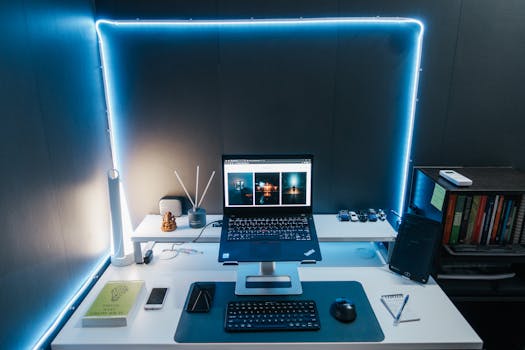
The Impact of LED Lighting on Office Employee Performance and Productivity
Lighting is more than just a backdrop to daily office life—it’s a critical environmental factor that shapes how we work, feel, and perform. In recent years, LED lighting has surged in popularity across modern workplaces, touted for both energy efficiency and improved lighting quality. But how does LED lighting truly affect the performance and productivity of office employees? Let's explore the science, the statistics, and the practical implications that make lighting a central player in workplace success.
The Science Behind Light and Human Performance
Light profoundly influences the human body, extending far beyond the ability to see. Our circadian rhythms—the body’s internal clock—are regulated by exposure to light. When employees are subjected to poor lighting, especially in windowless offices, they can experience disruptions in sleep, mood, and alertness. This, in turn, can impact job performance and productivity.
LED lighting, when properly implemented, can mimic natural daylight more effectively than traditional fluorescent or incandescent bulbs. According to a study published by the Lighting Research Center, exposure to light with higher color temperatures (like those produced by certain LEDs) during the day boosts alertness and cognitive performance. In fact, employees exposed to optimized LED lighting reported a 15% increase in productivity compared to those under conventional lighting conditions.
.png)
The color rendering index (CRI) is another important metric. LEDs often have a CRI of 80 or higher, meaning they make colors appear more natural and vibrant. This reduces eye strain and mental fatigue—two common productivity drains in office environments.
LED Lighting and Employee Well-Being
Employee well-being is a cornerstone of productivity. Poor lighting can lead to headaches, eye strain, and fatigue, all of which reduce engagement and increase the likelihood of mistakes. The American Society of Interior Designers found that 68% of employees complain about the lighting in their offices, and 24% attribute headaches directly to poor office illumination.
LED lighting can address these issues through customizable brightness and color temperature options. Tunable LEDs allow offices to adjust lighting throughout the day, supporting employees’ natural rhythms. For example, cool, bright light in the morning can boost alertness, while warmer tones in the afternoon promote relaxation and focus.
Moreover, LEDs emit very little ultraviolet (UV) or infrared radiation. This means less heat is produced compared to traditional lighting, which can help maintain a comfortable office temperature—a factor that, according to the World Green Building Council, can contribute to a 10% improvement in overall worker performance.
Comparing LED Lighting to Traditional Office Lighting
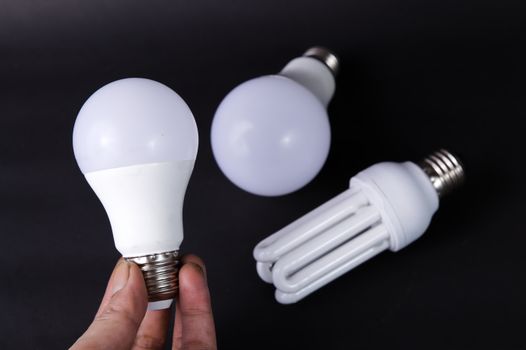
To better understand the benefits of LED lighting, it’s helpful to compare it directly to traditional office lighting options such as fluorescent and incandescent bulbs. Below is a table highlighting key differences that impact employee performance and productivity:
| Feature | LED Lighting | Fluorescent Lighting | Incandescent Lighting |
|---|---|---|---|
| Energy Efficiency | Up to 80% more efficient | Moderately efficient | Low efficiency |
| Lifespan | 25,000 - 50,000 hours | 7,000 - 15,000 hours | 1,000 - 2,000 hours |
| Color Rendering Index (CRI) | 80-98 | 60-85 | 95-100 |
| Flicker | Minimal | Common, can cause eye strain | Minimal |
| Adjustability | Highly adjustable (dimmable, tunable) | Limited | Limited |
| UV/IR Radiation | None | Some | Significant heat produced |
The superior energy efficiency and longevity of LEDs are well documented. However, the real differentiator for employee productivity lies in adjustability, color rendering, and reduced flicker. LED lighting's flexibility makes it easier for offices to create environments tailored to work tasks and employee comfort.
Real-World Examples: LED Lighting Boosts Productivity
Multiple organizations have reported tangible benefits after switching to LED lighting. For instance, the U.S. General Services Administration (GSA) piloted tunable LED lighting in its Washington, D.C. headquarters. Employees in areas with tunable LEDs showed a 6% improvement in work accuracy and reported feeling more energized compared to those in spaces with conventional lighting.
Similarly, a European study conducted in a call center environment found that after upgrading to LED lighting with daylight-mimicking color temperatures, absenteeism dropped by 20%, and self-reported productivity increased by 18%. These gains were attributed to reduced eye strain, better concentration, and higher overall job satisfaction.
These examples underscore a growing consensus: investing in quality LED lighting is not just a matter of reducing electricity bills—it’s a strategic move for talent retention and performance optimization.
LED Lighting Design: Best Practices for Office Productivity
To maximize the benefits of LED lighting, companies need to consider more than just swapping out old bulbs. Here are some best practices for office lighting design:
1. Layered Lighting: Combine ambient, task, and accent lighting to address various needs throughout the workspace. For example, ambient LED panels can provide general illumination, while adjustable LED desk lamps offer focused task lighting. 2. Tunable Lighting: Install tunable white LEDs that allow color temperature adjustments from cool (5000K-6500K) to warm (2700K-3500K). This enables offices to simulate natural daylight cycles, supporting employee circadian rhythms. 3. Glare Control: Use diffusers, indirect lighting, or matte finishes on fixtures to minimize glare—a common source of discomfort and distraction. 4. Personalized Controls: Give employees some control over their lighting, such as dimmable desk lamps or proximity-based sensors. A study by the Lighting Research Center showed that personalized lighting controls can boost productivity by up to 7%. 5. Regular Maintenance: Keep LED fixtures clean and in good working order. Dust and debris can reduce light output by up to 30%, diminishing the benefits of high-quality LEDs.By thoughtfully designing and maintaining LED lighting systems, companies can nurture an environment where employees thrive.
Return on Investment: LED Lighting as a Productivity Tool
While the upfront cost of installing LED lighting systems may be higher than replacing bulbs with traditional alternatives, the long-term financial and human capital returns are significant. According to the U.S. Department of Energy, offices that upgrade to LED lighting typically see energy savings of 50-70%. But the real ROI comes from enhanced productivity, reduced absenteeism, and improved employee retention.
A meta-analysis published in the Journal of Environmental Psychology found that improvements in office lighting quality can yield productivity gains worth up to $2,000 per employee per year. When multiplied across a workforce, these gains can far exceed the cost of upgrading lighting infrastructure.
Moreover, organizations that prioritize employee well-being through thoughtful lighting design often report higher engagement scores and reduced turnover—key metrics for sustaining competitive advantage in today’s talent-driven economy.
Final Thoughts: Why LED Lighting Matters for Office Performance
The evidence is clear: LED lighting does much more than illuminate the office. By improving visual comfort, supporting natural biological rhythms, and enabling flexible, personalized work environments, LEDs directly enhance employee performance and productivity.
Whether you’re outfitting a new office or retrofitting an existing one, investing in quality LED lighting is not just an energy-saving measure—it’s a strategic decision with measurable impacts on workforce effectiveness and satisfaction.
As more companies recognize the link between environment and output, LED lighting stands out as a foundational tool for building healthier, more productive workplaces.