Choosing the right LED lighting color for your space can be transformative. It’s not just about aesthetics—different lighting shades can profoundly affect mood, productivity, and even the perceived size and warmth of a room. As LED technology offers a wide spectrum of color options, understanding their impact on your environment is crucial for making the best choice. Whether you're designing a cozy living room, an energizing office, or an inviting storefront, the right LED color can make all the difference. In this comprehensive guide, we’ll compare the main LED lighting colors, explore their effects on spaces, and provide actionable tips to help you select the ideal shade for any setting.
Understanding LED Lighting Colors: Color Temperature Basics
Color temperature, measured in Kelvins (K), defines the appearance of the light emitted by a bulb. Lower Kelvin numbers (e.g., 2700K) produce warm, yellowish light, while higher values (e.g., 6500K) emit cool, bluish tones. This spectrum is crucial in determining how a space feels and functions.
The most common LED color temperatures include: - Warm White (2700K–3000K): Mimics traditional incandescent bulbs, with a soft, cozy glow. - Neutral White (3500K–4100K): Balanced white light, neither too yellow nor too blue. - Cool White (5000K–6500K): Crisp, daylight-like illumination.According to the U.S. Department of Energy, over 50% of residential LED bulbs sold fall within the warm white range (2700K-3000K), highlighting their popularity for home use. However, choosing the optimal color temperature is more nuanced than simply following trends.
.png)
How Different LED Lighting Colors Affect Mood and Perception
The psychological impact of LED colors is well-documented. The hue of light can influence emotions, alertness, and even physical comfort.
Warm White (2700K–3000K): This range is often associated with relaxation and intimacy. Studies show that warmer lighting can reduce stress and promote feelings of comfort. It’s ideal for living rooms, bedrooms, and dining areas—spaces where you want to unwind or socialize.
Neutral White (3500K–4100K): Neutral whites provide clarity without overwhelming the senses. They are commonly used in kitchens, bathrooms, and offices where accurate color perception and focus are important. According to a 2019 study by the Lighting Research Center, neutral white lighting can improve productivity by up to 8% in work environments compared to warmer lights.
Cool White/Daylight (5000K–6500K): These higher color temperatures mimic natural daylight, promoting alertness and energy. Research published in the Journal of Environmental Psychology found that exposure to cool white light can increase concentration and reduce fatigue, making it suitable for workspaces, garages, and retail environments.
Spatial Effects: How LED Colors Change Room Appearance
LED lighting color doesn’t just impact mood; it also alters how we perceive the size and temperature of a space. Here’s how:
Warm White: Tends to make rooms feel smaller, cozier, and more inviting. It visually “shrinks” a space, making it perfect for intimate areas.
Cool White: Creates an expansive, open feel, making rooms appear larger and airier. This effect is particularly useful in compact or poorly lit spaces where you want to maximize a sense of openness.
Color temperature can also influence perceived room temperature. Warm white lighting can make a room feel up to 3°C warmer—an effect leveraged in colder climates to create a comforting atmosphere. Conversely, cool white lighting gives the impression of a cooler, more clinical environment, which can be refreshing in hot climates or high-activity zones.
Comparative Table: LED Lighting Colors at a Glance
To help visualize the differences between popular LED lighting colors, here’s a side-by-side comparison:
| Color Temperature (Kelvin) | Color Description | Best For | Psychological Effect | Room Effect | Example Use |
|---|---|---|---|---|---|
| 2700K–3000K | Warm White | Living rooms, Bedrooms, Restaurants | Relaxing, Cozy, Inviting | Makes spaces feel smaller and warmer | Reading lamps, Dining rooms |
| 3500K–4100K | Neutral White | Kitchens, Bathrooms, Offices | Balanced, Focused, Clean | Neutral, neither shrinks nor expands space | Home offices, Workshops |
| 5000K–6500K | Cool White / Daylight | Garages, Retail, Hospitals | Energizing, Alert, Fresh | Makes spaces feel larger and cooler | Showrooms, Task lighting |
Practical Considerations: Matching LED Colors to Room Function
When selecting the ideal LED color, consider the primary activity in each space.
1. Residential Spaces: - Living Rooms & Bedrooms: Opt for warm white (2700K–3000K) to foster relaxation and intimacy. For example, a 2018 survey by the American Lighting Association found that 64% of homeowners preferred warm lighting in living areas for its calming effect. - Kitchens & Bathrooms: Neutral white (3500K–4100K) ensures visibility and accurate color rendering, crucial for tasks like cooking or makeup application. 2. Workspaces: - Home Offices & Studies: Neutral to cool white (4000K–5000K) enhances focus and reduces eye strain. Research from the University of Twente in the Netherlands shows that working under cool white LED lights can boost cognitive performance by 12% compared to warmer tones. 3. Commercial & Retail: - Retail Stores: Cool white (5000K–6500K) makes merchandise look vibrant and fresh, encouraging purchases. According to a 2021 study, retail environments using cool white LEDs saw a 7% increase in sales compared to those with warmer lighting. - Restaurants & Cafés: Warm white lighting creates a welcoming ambiance, encouraging guests to linger and enjoy their experience. 4. Specialized Settings: - Galleries & Art Studios: Choose LEDs with a high Color Rendering Index (CRI) above 90, in neutral or cool white, to display true colors. - Healthcare Facilities: Cool white lighting supports alertness and hygiene, which is why most hospitals use LEDs in the 5000K–6500K range.Beyond White: The Role of Colored LEDs in Space Design
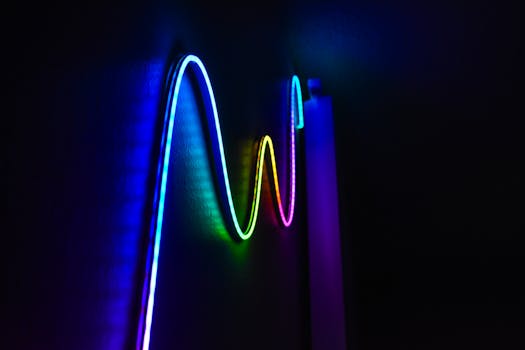
While white LEDs dominate most applications, colored LEDs—such as blue, red, green, or RGB (color-changing)—offer creative solutions for accent lighting, branding, and mood enhancement.
- Blue LEDs (around 470nm): Known to promote calmness and focus, but excessive exposure at night may disrupt sleep patterns. - Red LEDs (around 630nm): Create a sense of warmth and intimacy, often used in bars or for accent lighting. - RGB LEDs: Allow for dynamic color changes, perfect for entertainment venues, children’s rooms, or events.Colored LEDs are not typically used for general lighting but can dramatically change the look and feel of a space when used as accents or highlights. For instance, integrating blue or green strips behind shelves or under counters can add depth and interest to a modern kitchen.
Tips for Choosing the Perfect LED Lighting Color
Selecting the ideal LED color goes beyond just picking a number on the Kelvin scale. Here are expert tips to make the right choice:
1. Test Before Committing: Many lighting stores offer sample kits or demo rooms. Test different color temperatures in your actual space, as wall colors, furniture, and daylight can affect perception. 2. Layer Your Lighting: Combine different color temperatures for flexibility. For example, use warm white ambient lighting with neutral white task lights for kitchens. 3. Consider Dimmable Options: Dimmable LEDs allow you to adjust brightness and, in some cases, color temperature, adapting to different moods and times of day. 4. Don’t Ignore CRI (Color Rendering Index): A CRI above 80 is recommended for most spaces, while 90+ is ideal where color accuracy is crucial, like in art studios or retail. 5. Account for Natural Light: Spaces with ample sunlight may benefit from cooler LEDs during the day, while north-facing rooms can feel cozier with warmer tones.Final Thoughts on Choosing the Ideal LED Lighting Shade
The perfect LED lighting color isn’t just a matter of taste—it’s a strategic decision that shapes the atmosphere, functionality, and even the psychological comfort of your space. By understanding the effects of different color temperatures and matching them to your room’s purpose, you can create environments that are not only visually appealing but also supportive of well-being and productivity.
Modern LED technology gives you the flexibility to fine-tune your lighting for every room, so don’t hesitate to experiment and adjust as your needs evolve. Whether you’re after a cozy retreat or an energetic workspace, the right LED shade is your key to unlocking the full potential of your environment.