LED lighting has rapidly become the gold standard for illuminating workplaces around the globe. While the cost savings and energy efficiency of LEDs are well-known, a crucial yet sometimes overlooked benefit is the profound impact LED lighting has on workplace safety. From reducing accident rates to minimizing eye strain and ensuring compliance with regulatory standards, LED technology is transforming the way we think about safety in offices, warehouses, factories, and other work environments. This article explores the key factors behind this transformation, offers data-backed insights, and provides actionable recommendations for businesses seeking to make their workplaces safer with LED lighting.
The Crucial Role of Lighting in Workplace Safety
Lighting is more than just a matter of visibility; it is directly linked to worker safety, productivity, and health. According to the U.S. Occupational Safety and Health Administration (OSHA), poor lighting contributes to thousands of workplace accidents annually. Insufficient or inappropriate lighting can lead to slips, trips, falls, errors in machine operation, and even long-term vision problems.
A 2022 study by the National Safety Council found that workplaces with inadequate lighting experience 30% more accidents compared to those with optimized lighting solutions. Furthermore, the International Labour Organization (ILO) estimates that up to 20% of all occupational injuries can be attributed, at least in part, to poor lighting conditions. These numbers underscore the vital importance of well-designed lighting systems as a foundational element of workplace safety.
.png)
How LED Lighting Reduces Workplace Accidents
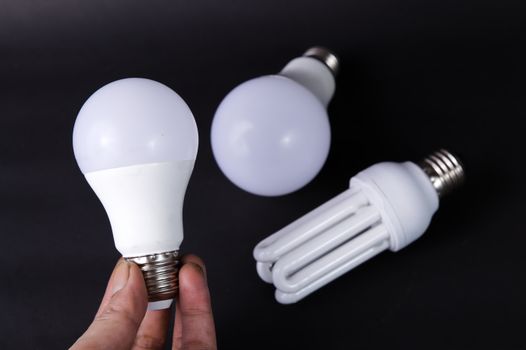
One of the most significant advantages of LED lighting is its ability to deliver consistent and targeted illumination. Unlike traditional fluorescent or incandescent bulbs, LEDs provide a steady, flicker-free light that can be precisely controlled for intensity and color temperature. This reduces shadowy areas and glare—two common culprits behind workplace mishaps.
For example, in a 2021 report by the National Institute for Occupational Safety and Health (NIOSH), factories that switched to LED lighting saw a 21% reduction in reportable injuries over a 12-month period. The main reasons cited were improved visibility on production lines, better color rendering for distinguishing hazards, and fewer dark or unevenly lit areas in walkways and storage zones.
LEDs can also be strategically placed or adjusted to eliminate “blind spots” in high-risk areas such as stairwells, loading docks, or near moving machinery. This proactive approach to lighting design can make a tangible difference in accident prevention.
LED Lighting and Visual Comfort: Reducing Eye Strain and Fatigue
Beyond accident prevention, LED lighting plays a pivotal role in minimizing visual discomfort among employees. Eye strain, headaches, and fatigue are common complaints in poorly lit workspaces, especially those relying on flickering fluorescent tubes or dim incandescent bulbs.
LEDs excel in this area by offering high color rendering index (CRI) values—often above 80 or even 90 on a scale of 100. This means colors appear more natural and accurate, making it easier for workers to perform detailed tasks without misinterpretation or error. Moreover, LEDs do not emit the subtle flickering that is characteristic of older lighting technologies. Even minor, imperceptible flicker can lead to increased eye strain and reduced concentration over time.
A 2020 survey conducted across 120 office environments in Europe showed that workers in spaces with high-quality LED lighting reported a 36% decrease in eye strain complaints, and a 22% increase in overall comfort, compared to those under traditional office lights.
LEDs and Emergency Preparedness: Enhancing Safe Evacuation
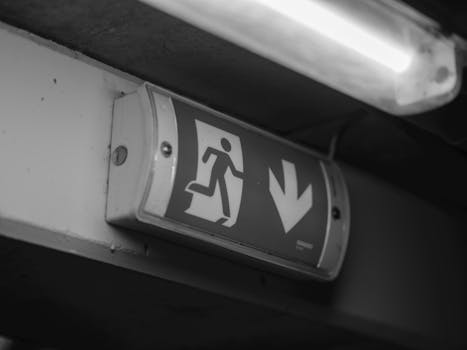
Workplace safety is not just about day-to-day operations—it’s also about being prepared for emergencies. LEDs play a critical role in emergency lighting systems, such as exit signs, backup lights, and pathway illumination during power outages.
LED emergency lights offer several advantages: - Instant full brightness (no warm-up time) - Long operational life (often exceeding 50,000 hours) - Low power consumption, allowing longer operation on battery backups - High visibility due to crisp, clear light outputIn fact, tests by the Illuminating Engineering Society (IES) found that LED emergency exit signs are 30% more visible in smoke-filled conditions than older incandescent models. This can be a lifesaving difference in fire or evacuation scenarios, ensuring employees can quickly locate escape routes even under adverse conditions.
Comparing LED Lighting With Traditional Options for Safety
How do LEDs stack up against older lighting technologies when workplace safety is the primary concern? The table below provides a comparative overview based on key safety factors.
| Lighting Type | Accident Reduction | Visual Comfort | Emergency Reliability | Average Lifespan (hours) |
|---|---|---|---|---|
| LED | Up to 30% fewer accidents | High (CRI 80+; no flicker) | Excellent (instant-on, long battery life) | 50,000+ |
| Fluorescent | Moderate | Medium (some flicker; lower CRI) | Good (delayed start; moderate battery life) | 7,000-15,000 |
| Incandescent | Low | Poor (low CRI; glare issues) | Fair (short battery life; dim output) | 1,000-2,000 |
As shown, LEDs outperform their predecessors across all safety-related criteria, making them the clear choice for modern, safety-conscious workplaces.
Regulatory Compliance and LED Lighting: Meeting Standards
Workplace lighting is regulated by a variety of standards and codes, from OSHA in the United States to ISO and EN standards internationally. Many of these guidelines specify minimum illumination levels, glare control, and emergency lighting requirements.
LED technology makes it much easier for businesses to comply with these regulations. For example, OSHA recommends a minimum of 30 foot-candles (approximately 323 lux) for general office work and higher levels for detailed tasks or hazardous environments. LEDs can be tailored to deliver exactly the right amount of light, often through programmable smart controls and sensors that adjust output based on occupancy or ambient light levels.
Additionally, LED fixtures are now available with certifications such as UL, DLC, and CE, ensuring they meet strict safety, efficiency, and environmental criteria. This not only helps avoid regulatory penalties but also demonstrates a commitment to employee well-being and corporate responsibility.
Best Practices and Recommendations for Maximizing Safety With LEDs
To fully realize the safety benefits of LED lighting, businesses should adopt a strategic approach to design, installation, and ongoing maintenance. Here are key recommendations:
1. $1: Assess current lighting conditions, identify shadowed or high-risk areas, and determine specific needs based on job tasks and traffic patterns. 2. $1: Opt for fixtures with high CRI ratings (80+), low glare, and certified safety standards. Avoid low-cost, uncertified products which may not deliver promised performance. 3. $1: Combine ambient, task, and accent lighting to eliminate shadows and provide adequate illumination for all activities. 4. $1: Use motion sensors, daylight harvesting, and programmable timers to ensure lights are always on when needed and off when not, enhancing both safety and energy savings. 5. $1: Schedule routine inspections and battery tests for all emergency LED lights and exit signs to ensure readiness in case of power failure. 6. $1: Encourage workers to report poorly lit areas or visual discomfort, and respond promptly to concerns.By integrating these best practices, organizations can create not just a brighter, but a fundamentally safer working environment.
Final Thoughts on LED Lighting and Workplace Safety
LED lighting is more than a technological upgrade; it is a powerful tool for enhancing workplace safety across all industries. The data is clear: businesses that invest in high-quality LED solutions see fewer accidents, healthier employees, and easier compliance with safety standards. From clearer walkways to better emergency preparedness, the benefits go far beyond energy bills and maintenance costs.
For decision-makers and safety professionals, the message is simple: making the switch to LED lighting is one of the most impactful steps you can take to protect your workforce and foster a culture of safety.