LED Lighting and Health: How Proper Lighting Affects Our Well-being
With the growing prevalence of LED lighting in homes, workplaces, and public spaces, questions about its impact on human health have become increasingly important. From eye comfort to circadian rhythms and even mental health, the quality and characteristics of the light we live and work under play a significant role in our overall well-being. This article explores the direct and indirect ways proper LED lighting can influence our health, drawing on current research, practical examples, and expert recommendations.
The Science Behind LED Lighting and Human Biology
To understand the relationship between LED lighting and health, it’s essential to grasp how light interacts with our bodies. Human biology is highly sensitive to light, especially in terms of the circadian system — our internal body clock that regulates sleep, alertness, and many other physiological processes.
Natural sunlight contains a full spectrum of light, including blue wavelengths that are particularly influential on circadian rhythms. Exposure to the right type and amount of light during the day helps synchronize our sleep-wake cycle, hormone production, and even immune function. According to the National Institutes of Health (NIH), inadequate or poorly timed light exposure can contribute to sleep disorders, depression, and metabolic issues.
.png)
LED lighting, unlike traditional incandescent bulbs, can be engineered to emit specific wavelengths and intensities. This flexibility offers both benefits and potential pitfalls: well-designed LEDs can mimic natural daylight, while poor-quality LEDs may emit excessive blue light or flicker, which could be detrimental to health.
The Influence of LED Light Spectrum and Color Temperature
One of the most critical factors affecting health is the spectrum of light produced by LEDs, particularly the color temperature measured in Kelvins (K). Color temperature influences how "warm" or "cool" a light source appears, which in turn affects how our bodies respond.
- Warm white LEDs (2,700K–3,000K) are similar to incandescent bulbs and are generally soothing, making them ideal for living rooms and bedrooms. - Neutral white LEDs (3,500K–4,500K) are closer to natural daylight and are often used in offices or kitchens to encourage alertness. - Cool white LEDs (5,000K–6,500K) are rich in blue light, which can suppress melatonin production—essential for sleep—if used late in the day.A 2017 study published in the journal Lighting Research & Technology found that exposure to high color temperature (cool) lighting in the evening delayed melatonin onset by up to 90 minutes, while warm lighting had negligible effects. This highlights the importance of choosing appropriate color temperatures for different spaces and times of day.
LED Lighting and Eye Health: Comfort and Safety Concerns
Another aspect of health influenced by LED lighting is eye comfort. Poor-quality or improperly installed LEDs can cause visual discomfort, eye strain, or even long-term issues.
Flicker: Some low-cost LEDs flicker at frequencies that are not always perceptible to the naked eye but can cause headaches, eyestrain, and even trigger migraines in sensitive individuals. According to IEEE standards, flicker should be minimized, especially in environments where people spend long hours, such as offices and classrooms.
Glare: Overly bright or poorly diffused LED lights can create glare, making it difficult to see screens or read comfortably. The Illuminating Engineering Society (IES) recommends using diffusers, lampshades, or indirect lighting designs to reduce glare and protect eye health.
Blue Light: While blue light during the day boosts alertness, excessive exposure—especially from screens or high-color-temperature LEDs—has been associated with digital eye strain and potential retinal damage over the long term. The American Academy of Ophthalmology recommends taking regular breaks from screens and using warmer light settings in the evening.
Impact of LED Lighting on Sleep and Mental Well-Being
Proper lighting is essential for healthy sleep patterns and mental health. Light exposure, particularly in the morning, helps reset our circadian rhythms and can improve mood, cognitive function, and even reduce symptoms of depression.
Conversely, exposure to bright or blue-rich light in the evening can suppress melatonin, the hormone responsible for sleepiness, leading to insomnia or poor sleep quality. The Centers for Disease Control and Prevention (CDC) estimates that one in three adults in the United States does not get enough sleep, and lighting is a significant contributing factor.
A landmark study from Harvard Medical School in 2013 demonstrated that participants exposed to blue light in the evening experienced a 30% reduction in melatonin levels and took longer to fall asleep compared to those exposed to warmer light. The effects of chronic sleep disruption include increased risk of obesity, diabetes, cardiovascular disease, and mood disorders.
Comparing LED Lighting with Traditional Light Sources
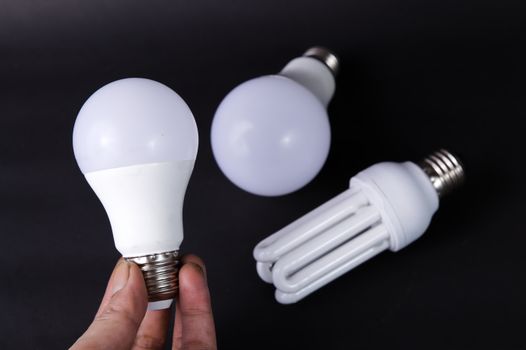
To fully appreciate the health implications of LED lighting, it’s helpful to compare it with traditional light sources such as incandescent and fluorescent bulbs. The table below summarizes key features relevant to health and well-being:
| Light Source | Spectrum Quality | Flicker Risk | Blue Light Content | Energy Efficiency | Health Considerations |
|---|---|---|---|---|---|
| Incandescent | Full spectrum, warm | Low | Low | Poor | Minimal eye strain, little circadian disruption |
| Fluorescent | Narrow spectrum, can vary | High (older types) | Moderate | Moderate | May cause headaches, eye strain, and flicker sensitivity |
| LED (High Quality) | Customizable, can mimic daylight | Low (with good drivers) | Adjustable | Excellent | Supports well-being when properly selected and installed |
| LED (Low Quality) | Inconsistent, may lack red/yellow | High (cheap drivers) | High | Excellent | Risk of eye strain, headaches, poor sleep if misused |
The data shows that high-quality LEDs, when used thoughtfully, can offer the best combination of energy efficiency and health benefits, whereas low-quality LEDs may pose risks similar to, or worse than, older technologies.
Best Practices for Healthy LED Lighting at Home and Work
To maximize the health benefits of LED lighting, consider the following expert recommendations:
1. $1 Choose LED systems that allow you to adjust color temperature and brightness throughout the day. For example, use cooler, brighter light in the morning and switch to warmer, dimmer tones in the evening. 2. $1 Select products with high color rendering index (CRI) values (above 80), low flicker, and reputable certifications. Avoid very cheap LED bulbs that may lack proper electronics for stable output. 3. $1 Place light sources to minimize glare and avoid direct exposure to the eyes, especially in workspaces and bedrooms. 4. $1 Whenever possible, supplement artificial lighting with daylight. Position desks and seating near windows to take advantage of natural circadian cues. 5. $1 In bedrooms and reading areas, use warm white LEDs and consider installing smart lighting systems that shift color temperature based on the time of day. 6. $1 In environments dominated by LED screens, follow the 20-20-20 rule: every 20 minutes, look at something 20 feet away for at least 20 seconds.The Future of LED Lighting and Human Health
LED technology is rapidly evolving, with advances focusing on tunable white lighting, circadian-friendly solutions, and even “human-centric lighting” systems that automatically adjust to support biological rhythms. Recent innovations include LEDs with reduced blue light peaks and improved spectral balance, designed specifically to minimize health risks while maintaining visual comfort and energy efficiency.
A 2022 market analysis by MarketsandMarkets projected the global human-centric lighting market to grow from $810 million in 2020 to over $3.6 billion by 2026, reflecting a growing awareness of the importance of health-oriented lighting solutions.
As research continues, expect to see more guidelines and products tailored to specific environments—such as schools, hospitals, and elder care facilities—where lighting can be used not only to see better, but to live better.
Key Takeaways: LED Lighting’s Role in Our Well-being
The way we light our homes, workplaces, and public spaces has profound effects on our health. LED lighting, when thoughtfully chosen and properly installed, can support healthy sleep, reduce eye strain, and even improve mood and productivity. However, misuse—such as exposure to excessive blue light at night or reliance on low-quality products—can have the opposite effect.
By understanding the science of light and following best practices, individuals and organizations can harness the power of LEDs to create environments that foster well-being, both physically and mentally.