Creating the Perfect Dining Experience: How LED Lighting Enhances the Atmosphere in Restaurants
The mood of a restaurant isn’t just crafted by its menu or music; lighting plays a pivotal role in shaping how customers feel, interact, and even taste their meals. In recent years, LED lighting has become the preferred choice for restaurant owners seeking to create memorable, inviting environments while enjoying flexibility and operational savings. But how exactly do LEDs transform restaurant atmospheres, and what practical strategies can owners use to make the most of this technology? Let’s explore the unique advantages of LED lighting in the restaurant industry and discover actionable tips to elevate your guests’ experience.
The Science of Lighting and Dining: Why Atmosphere Matters
Ambiance is the silent salesperson in any restaurant. According to a 2021 report by the National Restaurant Association, over 70% of diners say that atmosphere is as important as food quality when choosing where to eat. Lighting is the cornerstone of this atmosphere, influencing everything from perceived food freshness to the length of a customer’s stay.
.png)
Scientific studies reveal that warm, dim lighting encourages relaxation and longer dining times, which can result in guests ordering more courses or drinks. Conversely, brighter, cooler lighting is linked to faster eating and quicker table turnover, ideal for quick-service environments. LED lighting does more than just illuminate — its tunability and spectrum control allow owners to actively shape these psychological cues, tailoring the ambiance to their brand and clientele.
LED Lighting: Flexibility and Control for Every Restaurant Concept
Unlike traditional bulbs, LEDs provide unprecedented flexibility for restaurant owners. With customizable color temperatures (from warm 2200K to crisp 6500K) and dimming capabilities, LEDs can adapt to any concept, from romantic fine dining to lively family eateries or modern cafés.
For example, a Mediterranean bistro might use warm, golden LEDs (around 2700K) to evoke a cozy, sun-soaked atmosphere, while a sushi bar could opt for cooler, neutral tones (4000K) to highlight the freshness of their ingredients. With smart LED systems, lighting scenes can be pre-programmed and changed throughout the day — welcoming guests with bright, cheerful light for brunch, then transitioning to soft, intimate tones for evening dinner service.
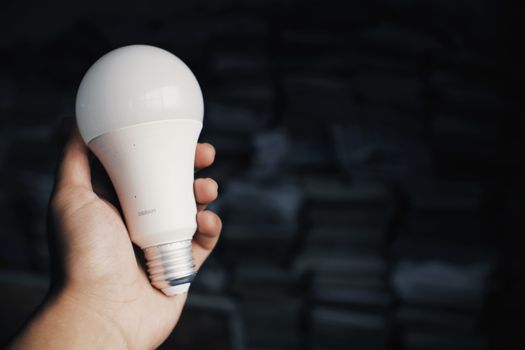
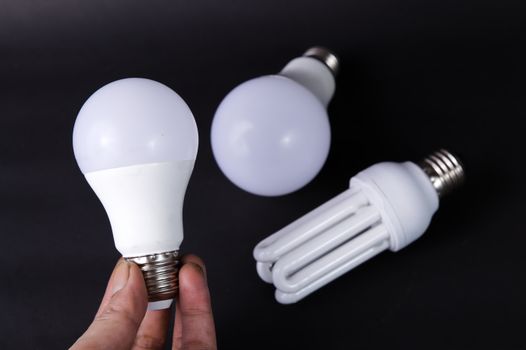
Beyond aesthetics, LEDs outperform traditional lighting in efficiency. According to the U.S. Department of Energy, LEDs use at least 75% less energy and last up to 25 times longer than incandescent lighting, translating to substantial long-term savings and reduced maintenance disruptions.
Case Study: Transforming Guest Experience with Dynamic LED Zones
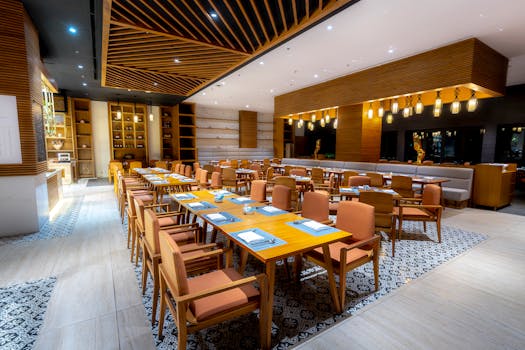
Leading restaurants are leveraging LED technology to create distinct zones within a single space, catering to diverse guest needs and maximizing revenue per square foot. Consider a large urban restaurant with an open floor plan. By using adjustable LEDs, the owner can create:
- A vibrant, well-lit area for families and large groups - Intimate, softly lit corners for couples - Spotlighted displays for art or specialty desserts - Brighter, task-oriented lighting for the bar or kitchen passA 2022 survey by Restaurant Business Online found that restaurants utilizing zoned lighting saw a 15% increase in customer satisfaction scores and a 9% boost in repeat visits. This level of customization is virtually impossible with conventional lighting systems.
Practical Tips for Restaurant Owners: Maximizing LED Lighting Impact
To harness the full potential of LED lighting in your restaurant, consider these proven strategies:
1. $1 Combine ambient (general), task, and accent lighting to add dimension to your space. For example, use LED downlights for overall illumination, LED strips under shelves for accents, and pendant LEDs over tables for focused light. 2. $1 Modern LED systems can be paired with wireless controls, allowing you to adjust brightness, color, and even scheduling from a tablet or smartphone. This ensures consistency and enables quick adaptation for special events or seasonal changes. 3. $1 Use directional LED spotlights to draw attention to architectural features, artwork, or signature dishes. Studies show that highlighting menu items with accent lighting can increase sales of those items by up to 25%. 4. $1 If you operate multiple locations, standardized LED settings can help maintain a cohesive brand atmosphere, whether guests are in New York or Los Angeles. 5. $1 Avoid overly bright or flickering LEDs, which can cause discomfort or detract from the dining experience. Opt for high-quality, flicker-free products with a Color Rendering Index (CRI) above 80 for true-to-life color representation.LED Lighting vs. Traditional Lighting: A Restaurant Owner’s Comparison
To illustrate the real-world advantages, here’s a side-by-side comparison of LED lighting and traditional lighting options for restaurants:
| Feature | LED Lighting | Traditional Lighting (Incandescent/Fluorescent) |
|---|---|---|
| Energy Consumption | 10-15W per fixture | 60-100W per fixture |
| Average Lifespan | 25,000-50,000 hours | 1,000-10,000 hours |
| Color Control | Fully adjustable (2000K-6500K) | Limited (fixed color temp) |
| Dimming Capability | Seamless, flicker-free | Often limited or absent |
| Heat Emission | Minimal | High (can affect HVAC cost) |
| Environmental Impact | No mercury, recyclable | Contains mercury (fluorescent) |
| Upfront Cost | Higher | Lower |
| Long-term Cost | Lower (energy, maintenance savings) | Higher (frequent replacements, energy use) |
Enhancing Seasonal and Event Experiences with LED Lighting
One of the most exciting advantages of LEDs is their ability to instantly shift the mood for special events, holidays, or seasonal promotions. Want to create a romantic Valentine’s Day setting? Shift your LEDs to a soft pink or warm amber. Hosting a lively New Year’s Eve party? Program dynamic color-changing LEDs for a festive, energetic atmosphere.
Restaurants report that themed lighting increases guest engagement. According to a 2023 survey by Hospitality Technology, 61% of restaurants using dynamic LED lighting saw an uptick in social media shares and positive online reviews during special events. With programmable systems, these changes are quick, cost-effective, and require no physical redecorating.
Final Thoughts: The Competitive Edge of LED Lighting in Restaurants
For today’s restaurant owners, investing in LED lighting is about much more than aesthetics or energy savings — it’s about creating unique, adaptable environments that engage guests, support staff, and reinforce your brand. With flexible control, energy efficiency, and the ability to customize instantly for any occasion, LEDs offer a powerful tool for staying ahead in a competitive hospitality market.
By thoughtfully integrating LED lighting, you can create atmospheres that not only attract new customers but also keep regulars coming back for memorable experiences, night after night.