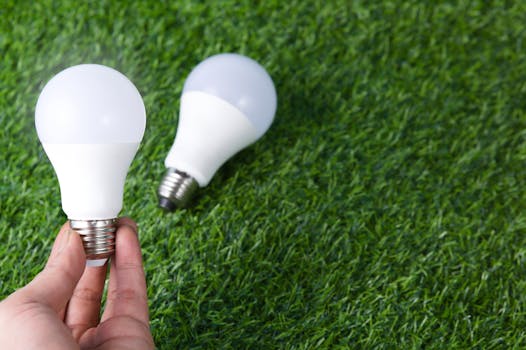
Sustainable Living Starts with Light: Choosing LED Lighting for Eco-Friendly Homes and Minimizing Your Carbon Footprint
Climate change and environmental concerns are driving more homeowners to seek sustainable solutions in every corner of their lives. Lighting, often overlooked, plays a significant role in the overall energy consumption and carbon emissions of a household. As technology evolves, LED (light-emitting diode) lighting stands out as a game-changer for eco-conscious households aiming to minimize their carbon footprint. But how do LEDs stack up against other lighting options, and how can homeowners make the most eco-friendly choices? This guide will illuminate the path toward greener lighting, presenting the facts, benefits, and practical steps you can take to create a brighter, more sustainable future at home.
The Environmental Impact of Residential Lighting
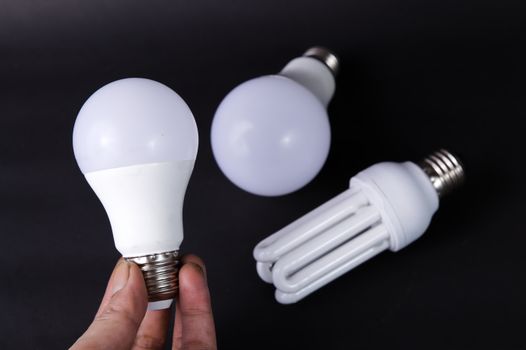
Lighting accounts for about 15% of the average household’s electricity use in the United States, according to the U.S. Department of Energy. Globally, lighting alone is responsible for more than 5% of total greenhouse gas emissions. Traditional incandescent bulbs are notoriously inefficient, converting less than 10% of the electricity they use into visible light, with the rest lost as heat. Compact fluorescent lamps (CFLs) improved efficiency, but still contain mercury and have shorter lifespans compared to LEDs.
.png)
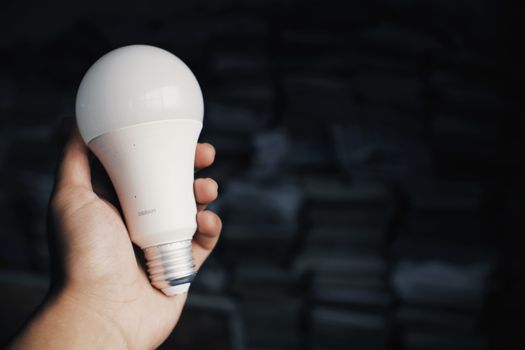
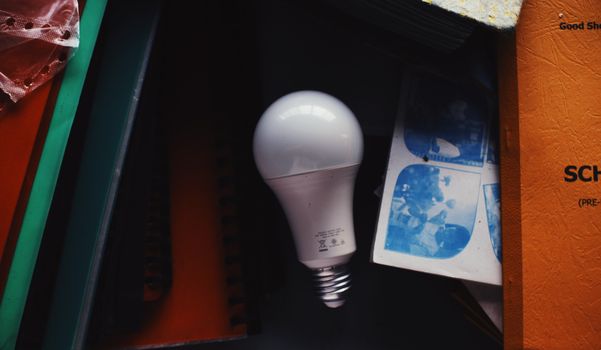
By contrast, LED lighting has emerged as the clear environmental leader. LEDs convert as much as 95% of their energy into light, with only 5% wasted as heat. The result is a dramatic reduction in both electricity use and carbon emissions. For instance, switching a single 60-watt incandescent bulb to a 10-watt LED can prevent approximately 400 pounds of CO2 emissions over the bulb’s lifetime.
LED Lighting vs. Conventional Options: A Data Comparison
To truly understand the eco-friendly advantages of LED lighting, it helps to compare the major types of residential lighting across several key metrics: energy use, lifespan, environmental hazards, and carbon emissions.
| Lighting Type | Average Wattage (60W Equivalent) | Average Lifespan (Hours) | CO2 Emissions per Bulb (Lifetime, kg) | Contains Hazardous Materials? |
|---|---|---|---|---|
| Incandescent | 60W | 1,000 | 185 | No |
| CFL | 14W | 8,000 | 42 | Yes (Mercury) |
| LED | 9-10W | 25,000+ | 16 | No |
As the table shows, LED bulbs are not only the most energy efficient, but also the longest lasting and least polluting. A single LED bulb can last 25 times longer than an incandescent and over 3 times longer than a CFL, meaning fewer bulbs manufactured, shipped, and disposed of over time.
How LED Lighting Reduces Your Home’s Carbon Footprint
Each kilowatt-hour (kWh) of electricity saved by switching to LEDs translates directly into reduced carbon emissions, especially in regions where grid electricity still relies heavily on fossil fuels. According to the International Energy Agency, if every household in the world replaced just one traditional bulb with an LED, the reduction in carbon emissions would be equivalent to taking more than 800,000 cars off the road each year.
Here’s how LEDs contribute to a lower carbon footprint:
1. $1: An LED uses at least 75% less energy than incandescent lighting. For a home with 30 bulbs, switching to LEDs can save around 2,700 kWh over the bulbs’ lifetimes, preventing nearly 2 metric tons of CO2 emissions (based on average US grid emissions). 2. $1: Fewer replacements mean less manufacturing, packaging, and transportation, further reducing resource use and emissions. 3. $1: LEDs generate very little heat, reducing the need for air conditioning in warm climates. The U.S. Department of Energy estimates that this indirect benefit can cut cooling costs by up to 20%. 4. $1: Unlike CFLs, LEDs contain no mercury, avoiding soil and water contamination risks at end-of-life.Smart Choices: Selecting LEDs for Maximum Sustainability
Not all LED bulbs are created equal. To ensure you’re making the most sustainable choice, consider these factors when selecting LED lighting for your home:
- $1: ENERGY STAR-rated LEDs meet strict energy efficiency and quality standards. On average, they use 75% less energy and last 25 times longer than incandescent bulbs. - $1: Focus on the amount of light (lumens), not power consumption (watts). For example, to replace a 60W incandescent, look for an LED that delivers 800 lumens, which typically uses just 9-10 watts. - $1: LEDs come in a range of “color temperatures” from warm (2700K) to daylight (5000K+). Warmer light is ideal for living areas, while cooler, brighter light works well in kitchens and workspaces. - $1: Some LEDs are designed for easy recycling and use fewer materials. Look for brands with take-back or recycling programs. - $1: Use dimmers, sensors, and smart controls to provide the right amount of light only where and when needed, further reducing energy use.Beyond the Bulb: Integrating LEDs into a Whole-Home Eco Strategy
Switching to LED bulbs is a great first step, but a truly eco-friendly home goes beyond basic replacements. Consider these strategies to maximize the impact of your lighting choices:
- $1: Smart LED systems allow you to automate schedules, occupancy sensors, and daylight harvesting. This ensures lights are only on when needed, saving up to 30% more energy compared to manual control. - $1: Use task, ambient, and accent lighting to avoid unnecessary brightness. For example, under-cabinet LEDs in the kitchen provide focused light where you need it, reducing the need for bright overhead fixtures. - $1: If your home uses solar panels or participates in green power programs, pairing these with ultra-efficient LED lighting amplifies your emission reductions. - $1: Don’t forget outdoor lighting. Solar-powered LED fixtures for pathways, gardens, and security lighting virtually eliminate grid electricity use for exterior illumination. - $1: At the end of their long lives, recycle LEDs at local e-waste centers. While LEDs contain no hazardous mercury, many components are recoverable and reusable.The Economic and Environmental Payoff of LEDs
While LED bulbs typically cost a bit more upfront than traditional bulbs, their long lifespan and extremely low energy use make them the most cost-effective and environmentally sound choice in the long run. Here are some compelling numbers:
- $1: The average U.S. household can save about $225 per year by replacing all incandescent bulbs with LEDs (U.S. Department of Energy, 2023). - $1: Most homeowners recoup the cost of LED upgrades within 1-2 years through lower electricity bills. - $1: Over 10 years, a single household can prevent over 1,000 pounds of carbon emissions and keep dozens of bulbs out of landfills.Moreover, as demand increases and technology improves, prices for high-quality LED bulbs keep dropping, making them accessible to nearly every household.
Brightening the Path to Eco-Friendly Living
Choosing LED lighting is a tangible, impactful way for individuals and families to reduce their home’s carbon footprint and contribute to a more sustainable world. With their unmatched efficiency, long lifespan, and versatility, LEDs are a cornerstone of green home strategies. By making informed choices—not just swapping bulbs, but integrating smart controls, recycling old lighting, and using LEDs thoughtfully—anyone can make a significant difference. It’s a small change that, multiplied across millions of homes, lights the way toward a cleaner planet.