Light surrounds us every waking moment, shaping how we see, work, and even how we feel. As LED lighting rapidly replaces older forms of illumination in our homes, workplaces, schools, and even gadgets, concerns have emerged about how this modern technology interacts with our eyes. Does LED lighting harm vision? Can it cause eye strain or fatigue? What does the latest scientific research actually say about LEDs and eye health? This article explores the science behind LED lighting and its impact on our eyes, separating myth from fact and helping you make informed decisions about the light you use every day.
The Rise of LED Lighting: A Modern Revolution
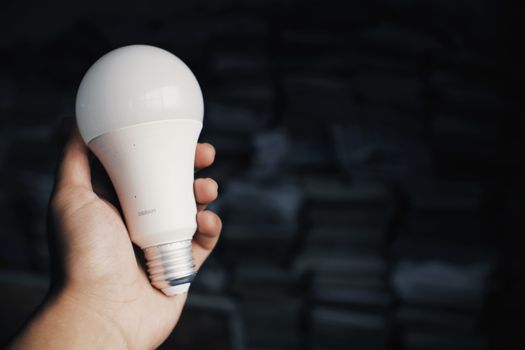
Over the last decade, the transition to LED (light-emitting diode) lighting has been nothing short of revolutionary. According to the International Energy Agency, LEDs accounted for more than 50% of global lighting sales by 2022, up from just 1% in 2010. The reasons are clear: LEDs are highly energy-efficient, have lifespans of over 25,000 hours, and are available in a wide range of colors and intensities.
Yet, as LEDs have become omnipresent, reports of eye discomfort, headaches, and fatigue have risen, particularly in settings with extended screen or artificial light exposure. This has prompted scientists to investigate exactly how the characteristics of LED lighting interact with human vision.
.png)
Understanding How LEDs Emit Light
Unlike traditional incandescent or fluorescent bulbs, LEDs emit light in a very specific way. An LED produces light by passing an electrical current through a semiconductor, which then emits photons. This process creates several distinct differences:
1. $1: LEDs often have a higher concentration of blue light (wavelengths between 400–500 nanometers) compared to other lighting types. 2. $1: LEDs can be much brighter and more focused, delivering intense light directly to the eye. 3. $1: Some LEDs, especially cheaper models or those on dimmer switches, flicker at frequencies that may not be visible but can still affect the eyes.These unique features have become the subject of much research into their potential effects on eye health.
Blue Light: The Main Concern for Eye Health
The most discussed aspect of LED lighting is its blue light emission. Blue light is not inherently harmful—natural sunlight contains a significant blue light component, which helps regulate our sleep-wake cycles (circadian rhythms). However, excessive or poorly timed exposure, especially from artificial sources, has been linked to various eye health issues.
A 2019 report by the French Agency for Food, Environmental and Occupational Health & Safety (ANSES) found that blue-rich LEDs can contribute to "phototoxicity"—damage to the retina after intense exposure. Animal studies suggest that very high levels of blue light may accelerate retinal cell death or contribute to age-related macular degeneration (AMD). However, the levels encountered in typical indoor LED lighting are far below those used in these studies.
Still, cumulative exposure and individual sensitivity matter. For example, children’s eyes absorb more blue light than adults, making them potentially more vulnerable. And for people with certain eye conditions, blue-rich LED lighting may exacerbate discomfort or visual fatigue.
Eye Strain, Fatigue, and Visual Comfort: What Does Research Show?
A common complaint with LED lighting is “digital eye strain” or “computer vision syndrome”—symptoms like dry eyes, headaches, blurred vision, and difficulty focusing after prolonged screen or LED exposure. Multiple studies have investigated whether LEDs are to blame.
- The American Optometric Association reports that people working with digital screens (which use LED backlighting) for more than 2 hours a day are at increased risk for digital eye strain. - A 2018 study in the journal $1 found that blue-light–rich environments increased subjective eye discomfort compared to warmer, lower-blue environments. - However, controlled studies suggest that overall brightness, glare, screen distance, and blinking rates play as significant—or greater—a role than the specific light source.It’s also important to note that modern LEDs are available in a range of color temperatures. "Warm white" LEDs (2700K–3000K) emit less blue light than "cool white" or "daylight" LEDs (5000K–6500K), making them a better choice for visual comfort in the evenings.
Comparing LED, Fluorescent, and Incandescent Light: Eye Health Implications
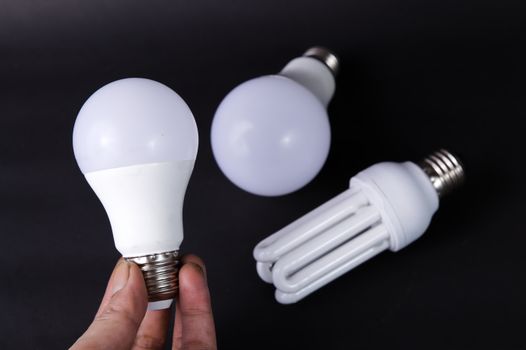
How do LEDs stack up against other types of artificial lighting when it comes to eye health? Here is a comparison based on scientific findings:
| Light Source | Blue Light Emission | Flicker Risk | Glare Potential | Eye Strain Reports |
|---|---|---|---|---|
| Incandescent | Low | Very Low | Moderate | Low |
| Fluorescent | Moderate | Moderate-High | Moderate | Moderate |
| LED (Cool White) | High | Varies (Low to High) | High | Moderate-High |
| LED (Warm White) | Lower | Varies (Low to High) | Moderate | Low-Moderate |
This table highlights that while cool white LEDs can emit more blue light and cause more glare, warm white LEDs perform similarly to traditional incandescent bulbs in terms of eye comfort—especially when high-quality drivers are used to minimize flicker.
Flicker and Glare: The Hidden Factors in LED Lighting
Many people are unaware that certain LEDs, especially budget models or those connected to simple dimmer switches, can flicker rapidly. While this flicker is often too fast to be consciously perceived, studies have shown that frequencies below 100 Hz can cause headaches, eyestrain, and even reduced visual performance in sensitive individuals.
Glare is another concern. Because LEDs are often small, bright, and directional, they can create intense points of light that make it harder for the eyes to adjust, especially in low ambient light. According to the Illuminating Engineering Society, glare from LEDs can disrupt reading and increase the risk of visual fatigue, particularly in older adults or those with cataracts.
The good news: High-quality LED fixtures with well-designed optics, diffusers, and flicker-free drivers are now widely available, helping to minimize these risks.
Practical Tips for Protecting Your Eyes with LED Lighting
While current evidence suggests that typical use of LED lighting in homes and workplaces is unlikely to cause permanent eye damage, discomfort and fatigue are real concerns. Here are science-backed strategies to promote eye comfort when using LEDs:
1. $1: Opt for LEDs with a color temperature of 2700K–3000K for living spaces, especially in the evening. 2. $1: These help spread light evenly, reducing glare and harsh shadows. 3. $1: When buying LEDs, look for products labeled as “flicker-free” or with high-quality electronic drivers. 4. $1: Avoid direct line-of-sight exposure to bright LEDs. Indirect lighting is easier on the eyes. 5. $1: Follow the 20-20-20 rule: every 20 minutes, look at something 20 feet away for 20 seconds to reduce eye strain. 6. $1: If you use screens or LED lighting extensively at night, blue light–filtering glasses or screen settings may help support natural sleep rhythms.What Science Still Doesn’t Know About LEDs and Eye Health
Despite significant research, there are still unanswered questions about the long-term impact of widespread LED use on our eyes. Most studies agree that everyday exposure is safe for the majority, but further research is needed to understand the effects on sensitive groups, children, and those with pre-existing eye conditions.
The World Health Organization and major ophthalmological societies have yet to link normal LED lighting exposure with serious or permanent vision loss. Nevertheless, as technology evolves and our reliance on artificial lighting increases, ongoing research and mindful usage remain important.
Final Thoughts on LED Lighting and Eye Health
LED lighting is an energy-saving marvel that has reshaped our environments and daily routines. While some concerns about blue light, flicker, and glare are well-founded, current scientific evidence indicates that typical use of quality LED lighting is not hazardous to eye health for most people. The key is to select the right color temperature, minimize direct exposure to bright or flickering lights, and maintain healthy visual habits.
As with any technology, awareness and informed choices are your best tools for comfort and well-being. If you or your family experience persistent eye discomfort, consult an eye care professional to rule out underlying issues and get personalized advice on lighting solutions.