As energy-efficient lighting continues to illuminate our homes and workplaces, LED bulbs have become the clear favorite for their long lifespan and reduced energy consumption. In fact, according to the U.S. Department of Energy, LEDs use at least 75% less energy and last up to 25 times longer than incandescent lighting. But what happens when an LED bulb finally reaches the end of its useful life? Properly recycling LED bulbs is not only environmentally responsible, it’s also essential for conserving valuable materials and preventing pollution. This comprehensive guide will walk you through the step-by-step process of LED bulb recycling and help you understand why every bulb matters in the journey towards sustainability.
Understanding Why LED Bulb Recycling Is Essential
LED bulbs are often promoted as the eco-friendly lighting solution, and for good reason: their impressive efficiency and longevity reduce both energy usage and waste. However, when these bulbs are discarded in regular household trash, they can pose an environmental risk. Unlike old compact fluorescent lamps (CFLs), most LEDs do not contain mercury, but they do include electronic components and small amounts of heavy metals like lead, arsenic, and nickel. According to the California Department of Toxic Substances Control, improperly disposed electronics—including LED bulbs—contribute to the 40 million tons of e-waste generated globally each year.
When LED bulbs end up in landfills, the metals and rare elements inside them can leach into soil and water, potentially causing harm to ecosystems and human health. Recycling LED bulbs ensures that these resources are recovered and reused, reducing the need for new raw materials and minimizing pollution.
.png)
What’s Inside an LED Bulb: Materials and Environmental Impact
To appreciate the importance of recycling, it helps to know what makes up an LED bulb. While LED bulbs do not contain mercury like CFLs, they are still complex electronic devices. Here’s a breakdown of the typical components:
- Glass or plastic lens and housing - Aluminum heat sink - Circuit boards with electronic components - Small amounts of metals (lead, nickel, arsenic, copper, and sometimes silver) - Solder and adhesivesAccording to a 2021 study in the Journal of Cleaner Production, over 90% of the materials in an LED bulb can be recovered through recycling. Valuable metals can be reused in new electronics, while plastics and glass can be processed into other products. By recycling just one million LED bulbs, over 30 tons of metals and 60 tons of glass can be reclaimed, reducing the need for new mining and manufacturing.
Step-by-Step Guide: How to Properly Recycle LED Bulbs
Recycling LED bulbs doesn’t have to be complicated, but it does require a bit of know-how and effort. Here’s a straightforward, step-by-step process to make sure your bulbs are handled responsibly:
1. $1: Ensure the bulb is truly at the end of its life. Sometimes LED bulbs stop working due to a faulty fixture or loose connection. 2. $1: LEDs can become warm during use. Give the bulb time to cool completely before handling. 3. $1: Avoid smashing the bulb. While LEDs lack the hazardous mercury of CFLs, breaking them can still release small amounts of dust and make recycling more difficult. 4. $1: Place the expired LED bulb in a sturdy container or bag to keep it safe from damage until you can recycle it. 5. $1: Many local hardware stores, recycling centers, and municipal waste facilities accept LED bulbs. Use resources like Earth911.com or your local government’s waste management website to find drop-off points. 6. $1: Take your bulbs to the designated recycling location. Several retailers, such as Home Depot and Lowe’s, have in-store recycling bins for bulbs. Alternatively, mail-in recycling programs are available; companies like LampMaster and Lightbulbrecycling.com offer prepaid recycling kits. 7. $1: Rules for recycling can vary by area. Always check if your municipality has specific instructions or collection days for electronics and bulbs.Comparing Recycling Options for LED Bulbs
With multiple recycling pathways available, how do you choose the best method? Here’s a comparative table outlining the most common options for recycling LED bulbs in the United States:
| Recycling Method | Availability | Cost | Convenience | Environmental Impact |
|---|---|---|---|---|
| Local Municipal Recycling | Varies by city/town | Usually free | Moderate – may require special drop-off | High – direct to certified facility |
| Retail Store Drop-Off (e.g., Home Depot) | Widespread in urban areas | Free | High – in-store bins | High – reputable recycling partners |
| Mail-In Recycling Programs | Nationwide | Fee for kit/shipping | Very high – ship from home | High – certified processing |
| Hazardous Waste Events | Occasional (scheduled) | Free or low cost | Low – limited dates/locations | High – controlled disposal |
As the table shows, retail drop-off and mail-in programs tend to be the most convenient options for most households, while municipal recycling offers a cost-effective solution if available in your area.
What Happens to Recycled LED Bulbs?
After you drop off your used LED bulbs, what’s next? The recycling journey of an LED bulb involves several steps:
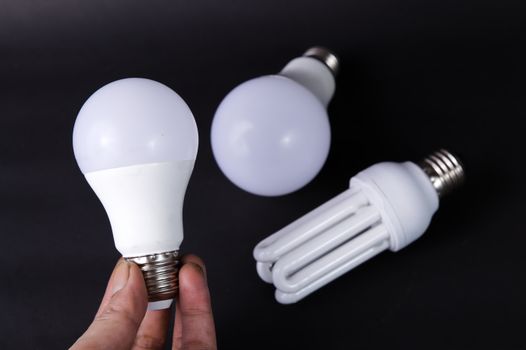
- $1: Bulbs are sorted from other types of lighting to separate LEDs from CFLs, incandescents, and halogens. - $1: Automated or manual processes dismantle the bulb, separating glass, metals, plastics, and electronic components. - $1: Metals such as aluminum, copper, and traces of precious metals are extracted and sent to foundries or electronics manufacturers. - $1: The glass and plastic parts are cleaned and processed for use in new products, such as glass wool insulation or plastic components. - $1: Any hazardous or non-recyclable residues are sent to specialized facilities for safe disposal.According to the U.S. Environmental Protection Agency, over 80% of materials from recycled LED bulbs can be reused, significantly reducing the environmental footprint compared to landfill disposal. Moreover, the recovery of rare earth elements from LEDs helps reduce demand for new mining, which is often environmentally destructive.
Common Mistakes to Avoid When Disposing of LED Bulbs
Proper recycling is straightforward, but some common mistakes can undermine your good intentions. Here’s what to watch out for:
- $1: Even though LEDs aren’t as hazardous as CFLs, they should not go in the household garbage due to their electronic content. - $1: LED bulbs should not be recycled with regular curbside glass, plastic, or metal. They require specialized processing. - $1: Breaking an LED bulb can make it harder to recycle and potentially release small amounts of hazardous materials. - $1: Some recycling programs only accept CFLs or fluorescent tubes. Always verify that LEDs are accepted before dropping them off.Awareness of these common pitfalls can help you ensure your LED bulbs are recycled safely and effectively.
Tips for Reducing LED Lighting Waste
While recycling is crucial, the most sustainable approach is to reduce waste in the first place. Here are some practical tips:
- $1: LEDs from reputable brands tend to last longer and perform better, reducing the frequency of replacement. - $1: Timers, dimmers, and smart home systems can extend bulb life by reducing unnecessary usage. - $1: Get creative—some LED bulbs can be reused in craft projects or as non-functional decorative elements. - $1: Share information on proper LED recycling with friends, family, and your community.According to ENERGY STAR, the average U.S. home contains around 40 light sockets. If every household recycled even half of their old LED bulbs, it could prevent hundreds of tons of e-waste each year.
Responsible LED Bulb Recycling: A Bright Choice for the Environment
As we continue to embrace energy-efficient lighting in our homes and businesses, it’s important to remember that our responsibility doesn’t end when a bulb goes dark. Properly recycling LED bulbs protects our environment, conserves valuable resources, and helps reduce the growing problem of electronic waste. By understanding what’s inside these bulbs, following the correct recycling steps, and spreading the word to others, we can all play a part in making our communities cleaner and greener. The next time an LED bulb burns out, take the extra minute to recycle it properly—you’ll be making a bright choice for the planet.