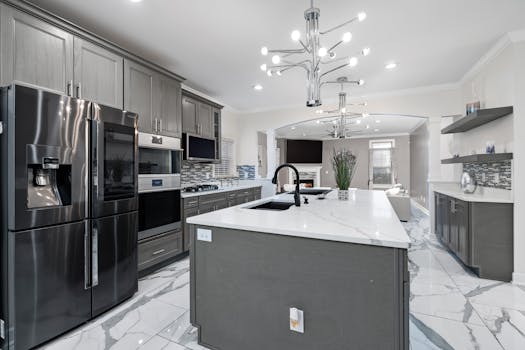
LED technology has transformed modern architecture by offering efficient, long-lasting, and adaptable lighting solutions. These advancements not only elevate the aesthetic appeal of buildings but also contribute to environmentally sustainable design practices.
Energy Efficiency and Sustainability
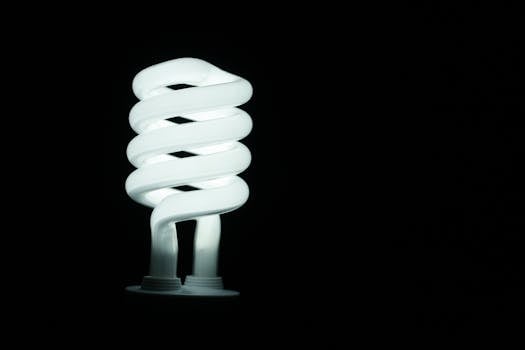
One of the standout features of LED technology in architecture is its energy efficiency. LEDs use significantly less energy compared to traditional lighting options like incandescent and fluorescent bulbs. This reduction in energy consumption is crucial in the context of global energy conservation efforts, especially considering the significant energy demands of modern buildings.
.png)
Moreover, the longevity of LEDs far surpasses that of conventional light bulbs. With lifespans extending up to 50,000 hours or more, LEDs decrease the frequency of replacement, thereby reducing maintenance costs and material waste. This extended lifespan plays a vital role in sustainability by minimizing the environmental impact associated with production, distribution, and disposal.
Versatility and Design Innovation
LEDs offer remarkable versatility in color and intensity, which can be adjusted to suit different settings and purposes. This flexibility allows architects to integrate lighting as a core element of design, using LEDs to craft dynamic environments that can change in response to different events or desired ambiances. Whether it’s highlighting architectural features or creating specific moods, LED technology provides architects with a powerful tool to enhance design aesthetics.
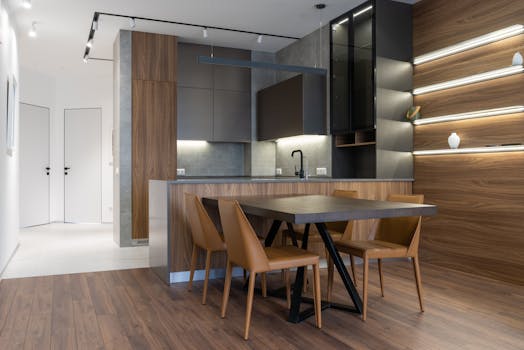
LEDs can be seamlessly incorporated into various architectural elements, including walls, ceilings, floors, and even furniture, offering innovative ways to use lighting in building designs. This adaptability makes LED technology a favorite among architects seeking creative and functional lighting solutions.
Environmental Impact and Safety
LEDs are not only energy-efficient but also environmentally friendly. Unlike fluorescent lamps, they do not contain harmful materials like mercury, making them safer for the environment and easier to recycle. The combination of reduced energy use, long lifespan, and safer materials helps in lowering the overall carbon footprint of buildings, aligning with broader environmental goals.
Enhancing Functionality and Comfort
In functional terms, LED lighting can significantly improve the comfort and productivity of space occupants. In office settings, for example, appropriate lighting enhances mood and energy levels, which can boost productivity. In residential areas, LEDs can be used to create warm, inviting environments that enhance living quality.
The Future of LED Technology in Architecture
Looking ahead, the future of LED technology in architecture appears bright with ongoing advancements in efficiency and the development of smarter lighting systems. Innovations such as organic LEDs (OLEDs) and Internet-connected lighting systems that can be controlled via smartphones are becoming more prevalent. These technologies promise even greater efficiency and user control, paving the way for more adaptable, sustainable, and user-focused architectural designs.
Conclusion
In summary, LED technology is crucial in modern architecture, offering a blend of aesthetic, functional, and environmental benefits. Its role in promoting energy efficiency, reducing environmental impact, and enhancing the functionality and aesthetics of architectural spaces makes it a cornerstone of contemporary architectural practices. As LED technology continues to evolve, it is set to play an even more integral role in the future of architectural innovation, creating spaces that are not only visually appealing but also sustainable and responsive to human needs.