LED lighting has revolutionized the way we illuminate our spaces, not just in terms of energy efficiency but also in aesthetic appeal. This type of lighting technology offers a spectrum of possibilities to enhance the visual appeal of both indoor and outdoor environments. In this article, we will explore the aesthetics of LED lighting, understanding how it can transform spaces and create moods that were once impossible with traditional lighting solutions.
The Basics of LED Lighting
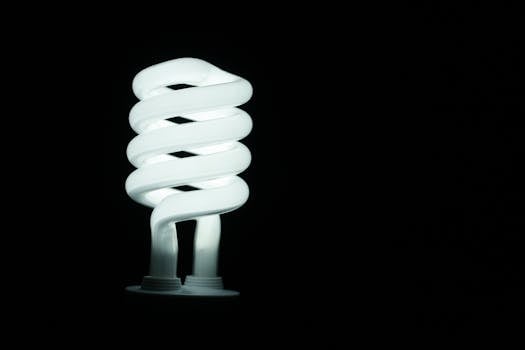
LED stands for Light Emitting Diode, a semiconductor device that emits light when an electrical current passes through it. Unlike traditional incandescent bulbs, LEDs do not have a filament that burns out, making them more durable and long-lasting. LEDs are known for their efficiency, consuming up to 90% less power than incandescent bulbs. This efficiency is not only good for the environment and your electricity bills but also for creating a sustainable aesthetic in your lighting design.
.png)
Color Temperature and Mood
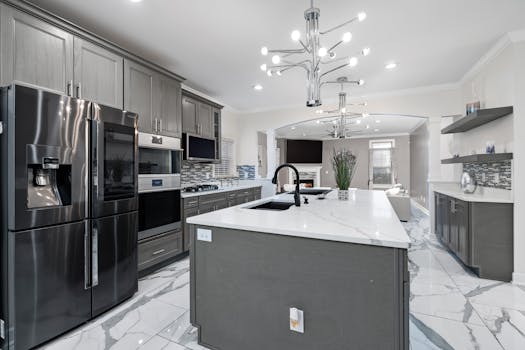
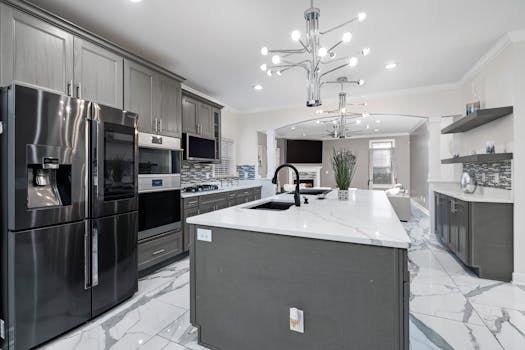
One of the key elements in the aesthetics of LED lighting is color temperature. Color temperature is measured in Kelvin (K) and it describes how the light appears when illuminated. The scale ranges from warm (lower Kelvin values, e.g., 2700K) to cool (higher Kelvin values, e.g., 6500K). Warm light creates a cozy, inviting atmosphere, often used in living rooms and bedrooms, where a relaxing ambiance is desired. Cool light, on the other hand, is energizing and crisp, making it ideal for task lighting in kitchens, offices, and reading areas.
Dimmability and Control
LEDs offer unprecedented control over lighting levels, allowing users to dim the lights to their preferred brightness for different times of the day or for different activities. This dimmability not only helps in adjusting the aesthetics according to the mood but also contributes to energy savings. Modern LED systems can be integrated with smart home technologies, enabling you to control the lighting from your smartphone or through voice commands, further enhancing the user experience and aesthetic flexibility.
Directionality and Distribution
Unlike traditional bulbs that emit light in all directions, LEDs are directional. This means they can be designed to cast light precisely where it is needed, reducing wasted light and enhancing the aesthetic quality of a space. This directionality makes LEDs particularly suitable for spotlighting, task lighting, and accent lighting, allowing designers to highlight architectural features or artworks effectively.
Integration in Design
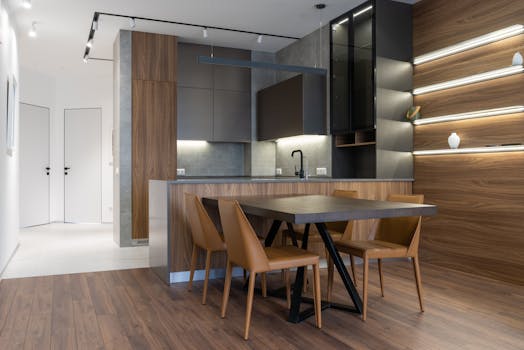
LEDs are incredibly versatile in terms of design integration. They can be embedded into floors, walls, and ceilings, becoming a part of the structure itself. This seamless integration helps maintain clean lines and uncluttered spaces in modern architecture. LED strips, for example, can be used for under-cabinet lighting in kitchens, along staircases, or behind mirrors in bathrooms, providing both functionality and a sophisticated aesthetic.
Environmental Impact and Aesthetics
The environmental impact of LED lighting also contributes to its aesthetic value. As society moves towards more sustainable practices, the use of LEDs is a step forward in reducing our ecological footprint. This aspect of LED lighting is particularly appealing to environmentally conscious consumers, who value both functionality and sustainability in their design choices.
Challenges and Considerations
Despite the numerous benefits, there are aesthetic challenges when it comes to LED lighting. One issue is the potential for color inconsistency, especially in cheaper LEDs. High-quality LEDs are essential to ensure that the light color and output remain consistent across different fixtures. Another consideration is the initial cost, which can be higher than traditional lighting options. However, the long-term savings and benefits often offset this initial investment.
Conclusion
The aesthetics of LED lighting go beyond simple illumination. With its ability to adjust color temperatures, integrate seamlessly into architectural designs, and its environmental benefits, LED lighting is a powerful tool in the arsenal of modern design. Whether you are a homeowner looking to enhance the ambiance of your living space or a business aiming to create an inviting atmosphere for customers, LED lighting offers versatile solutions that combine beauty with efficiency. As technology continues to evolve, the potential for innovative and aesthetically pleasing LED lighting applications seems limitless.