Light Up the Right Way: Comparing Different Types of LED Lamps for Every Purpose
In the last decade, LED lamps have taken over the lighting world, offering energy efficiency, longevity, and a variety of options for homes, businesses, and specialized environments. However, with the sheer number of LED lamp types available—ranging from standard bulbs to advanced smart panels—choosing the right one for each application can feel overwhelming. Each type of LED lamp has its own strengths, weaknesses, and best-use scenarios. Whether you’re hoping to brighten a cozy reading nook, illuminate a warehouse, or create a vibrant ambiance in a restaurant, understanding the differences among LED lamps is key to achieving optimal lighting results.
In this comprehensive guide, we’ll compare various types of LED lamps, explore where each shines (literally and figuratively), and provide clear data so you can make informed decisions for your lighting needs.
The Main Types of LED Lamps Explained
LED lighting technology has evolved well beyond the simple bulb. Today’s market offers a diverse selection, including:
.png) - LED Bulbs (A-shape/Omnidirectional)
- LED Tubes (T8, T5, T12)
- LED Downlights and Spotlights
- LED Panel Lights
- LED Strip Lights
- Specialty LEDs (e.g., grow lights, filament LEDs, smart LEDs)
- LED Bulbs (A-shape/Omnidirectional)
- LED Tubes (T8, T5, T12)
- LED Downlights and Spotlights
- LED Panel Lights
- LED Strip Lights
- Specialty LEDs (e.g., grow lights, filament LEDs, smart LEDs)
Let’s break down their unique features and ideal applications.
LED Bulbs: The Workhorse of Everyday Lighting
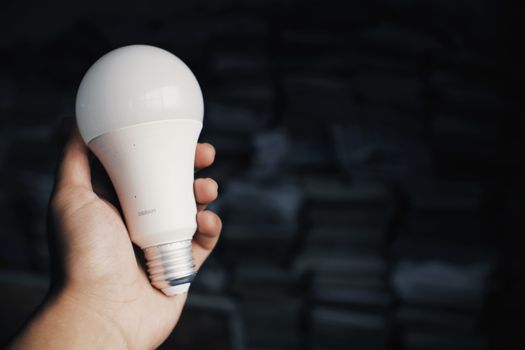
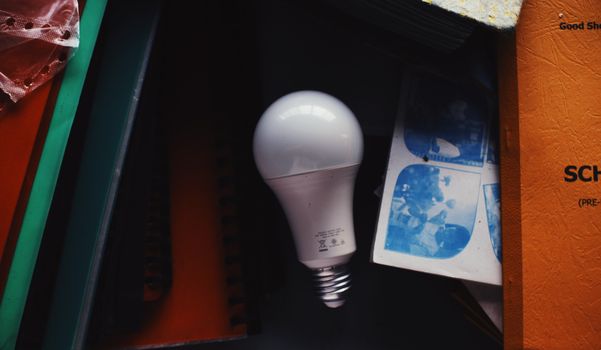
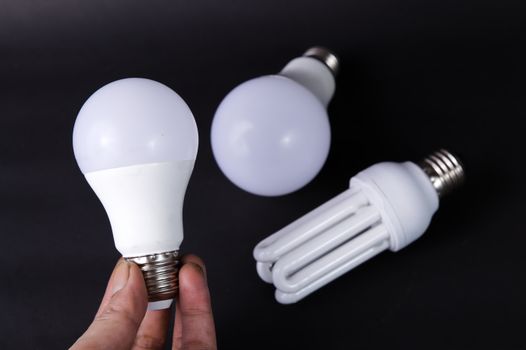
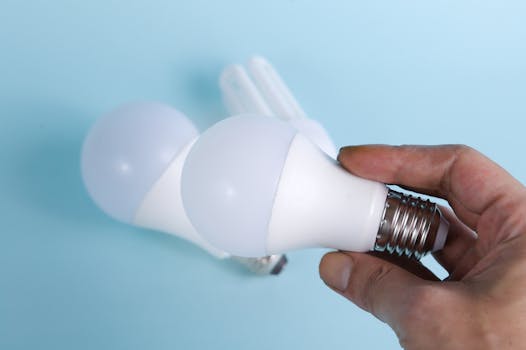
When most people think of LED lamps, they picture the classic A-shape bulb. These omnidirectional LEDs are the direct replacements for traditional incandescent and CFL bulbs. They fit standard sockets (E26/E27) and are available in various wattages and color temperatures.
Key Facts: - Typical lifespan: 15,000 to 25,000 hours (compared to 1,000 hours for incandescent) - Use up to 85% less energy than incandescent bulbs - Available in brightness ranging from 200 lumens (for small lamps) up to 2,600 lumens (for high-output bulbs) Best suited for: - General room lighting (living rooms, bedrooms, hallways) - Table and floor lamps - Ceiling fixturesWhy choose them? LED bulbs are cost-effective, easy to install, and highly versatile. Dimmable options are now common, allowing for mood control. For most home and small office applications, these are the go-to solution.
LED Tubes: Modernizing Commercial and Industrial Spaces
LED tubes are designed to replace fluorescent tubes in troffer fixtures, often found in offices, schools, and warehouses. The most common sizes are T8 and T5, referring to their diameters.
Key Facts: - Typical lifespan: 30,000 to 50,000 hours - Energy savings: 40-60% over fluorescent tubes - Instant-on, flicker-free illumination - Some models work with existing ballasts; others require rewiring Best suited for: - Office buildings - Classrooms and libraries - Parking garages - Retail storesWhy choose them? LED tubes offer uniform light distribution, improved color rendering (often 80+ CRI), and virtually no maintenance for years. In 2022, a study by the U.S. Department of Energy found that retrofitting to LED tubes can reduce lighting energy use by up to 60% in commercial buildings.
LED Downlights and Spotlights: Focused and Flexible Lighting
LED downlights (also known as recessed or can lights) and spotlights are designed to direct light precisely where it’s needed. They are available in a range of beam angles, from narrow spot (15-30°) to wide flood (60-120°).
Key Facts: - Lifespan: 25,000 to 50,000 hours - Many models are IP-rated for moisture resistance (bathrooms, outdoors) - Available in adjustable “gimbal” styles for directional lighting Best suited for: - Kitchens and bathrooms - Retail displays - Galleries and museums - Accent and task lightingWhy choose them? Their ability to provide focused, glare-free illumination makes them ideal for highlighting artwork, merchandise, or architectural features. According to the International Association of Lighting Designers, LED spotlights can enhance visual comfort and increase perceived brightness without raising energy costs.
LED Panel Lights: Sleek Solutions for Large Areas
LED panel lights are flat, ultra-thin fixtures often used to replace traditional fluorescent ceiling panels. They provide even, shadow-free light in large spaces.
Key Facts: - Typical sizes: 1x4 ft, 2x2 ft, 2x4 ft panels - Up to 50,000 hours lifespan - Uniform light output—no “hot spots” - Up to 130 lumens per watt efficiency Best suited for: - Offices - Conference rooms - Hospitals and clinics - LaboratoriesWhy choose them? LED panel lights create a modern, clean look and distribute light evenly, reducing eye strain. A 2021 survey by Lighting Europe found that over 65% of new office fit-outs now specify LED panels for their combination of aesthetics and performance.
LED Strip Lights: Creative and Versatile Illumination
LED strip lights are flexible circuit boards populated with surface-mounted LEDs. They are highly adaptable for accent, decorative, and task lighting.
Key Facts: - Cuttable lengths, typically every 2-4 inches - Available in single color, tunable white, or RGB (color-changing) - Brightness ranges from 150 to 2,000 lumens per meter - Lifespan: 20,000 to 50,000 hours Best suited for: - Under-cabinet kitchen lighting - Cove and architectural lighting - Retail and hospitality ambiance - Custom display casesWhy choose them? LED strips can be installed in tight spaces, curved around corners, and controlled via remote or smart home systems. Their versatility makes them popular for both residential and commercial design projects.
Specialty LED Lamps: Solving Unique Lighting Challenges
Not all lighting needs are generic. Specialty LED lamps address specific requirements that standard products can’t meet.
Examples include: - LED grow lights for indoor agriculture, tuned to plant-optimized spectra - Filament LEDs, which mimic vintage incandescent aesthetics but with modern efficiency - High CRI LEDs (90+), for accurate color rendering in photography or medical settings - UV-C and germicidal LEDs, increasingly used for disinfection in healthcareFact: The global market for horticultural LED grow lights reached $2.5 billion in 2023, driven by rising demand for indoor and vertical farming.
Specialty LEDs are best for: - Greenhouses and grow rooms - High-end retail displays - Museums, galleries, and photo studios - Medical and laboratory useComparing Different Types of LED Lamps: Key Differences at a Glance
To make the choice clearer, here’s a comparison table highlighting the main features of each LED lamp type:
| Type | Typical Lifespan (hours) | Best For | Energy Savings vs. Traditional | Unique Feature |
|---|---|---|---|---|
| LED Bulbs | 15,000 - 25,000 | General home & office | Up to 85% | Omnidirectional, easy retrofit |
| LED Tubes | 30,000 - 50,000 | Commercial, industrial | 40-60% | Uniform, linear light |
| LED Downlights/Spotlights | 25,000 - 50,000 | Accent, task, retail | Up to 80% | Directional, low-glare |
| LED Panel Lights | 40,000 - 50,000 | Large offices, hospitals | Up to 70% | Even, shadow-free lighting |
| LED Strip Lights | 20,000 - 50,000 | Decorative, under-cabinet | Up to 75% | Flexible, customizable |
| Specialty LEDs | Varies | Agriculture, art, lab | Up to 80% | Tuned spectra, high CRI |
Matching LED Lamp Types to Your Needs
Choosing the best LED lamp depends on several factors:
1. $1 - For general room lighting: LED bulbs or panel lights are ideal. - For highlighting displays: Downlights and spotlights offer precision. - For creative accents: Strip lights provide flexibility and color options. - For industrial or commercial retrofits: LED tubes are the cost-effective choice. 2. $1 - Always look at lumens (light output), not just wattage. For example, a 10-watt LED bulb can deliver the same brightness as a 60-watt incandescent. - For workspaces, aim for higher lumens and cooler color temperatures (4000K–6500K). For living spaces, warmer tones (2700K–3000K) often feel more inviting. 3. $1 - Color Rendering Index (CRI) matters for applications like retail, art, or healthcare. High CRI LEDs (90+) render colors more naturally. 4. $1 - Many LED lamps now support dimming, color change, and app or voice control. Consider these for modern homes or multi-use spaces. 5. $1 - While LEDs have a higher upfront cost, their long life and efficiency mean most pay for themselves within two years through energy savings.Final Thoughts: Selecting the Perfect LED Lamp for Every Purpose
With so many options, it’s crucial to match each type of LED lamp to its intended use. LED bulbs remain unbeatable for everyday tasks, while tubes and panels excel in larger or commercial spaces. Downlights and spotlights provide control and precision, strip lights bring creativity, and specialty LEDs solve unique challenges.
Remember: the “best” LED lamp is the one that meets your needs for light quality, efficiency, and style—without over- or under-lighting your space. By considering factors like lifespan, brightness, application, and control options, you can illuminate every area with confidence and sustainability. As LED technology continues to advance, the possibilities for tailored, energy-saving lighting solutions are brighter than ever.