How to Properly Size LED Lighting for Different Spaces: A Practical Guide
Whether you’re renovating your home, designing a new office, or upgrading a retail space, choosing the right size and brightness of LED lighting is crucial. Not only does proper sizing ensure visual comfort and functionality, but it also helps maximize energy savings and transform the ambiance of any environment. However, many people feel uncertain about how to calculate the correct LED lighting requirements for different rooms and purposes. In this practical guide, we’ll break down everything you need to know—from understanding lumens and square footage to exploring advanced considerations for specialty spaces. By the end, you'll be equipped to illuminate your spaces efficiently and beautifully.
Understanding Key Terms: Lumens, Watts, and Lux
Before diving into calculations, it's important to get familiar with the basic units used in LED lighting:
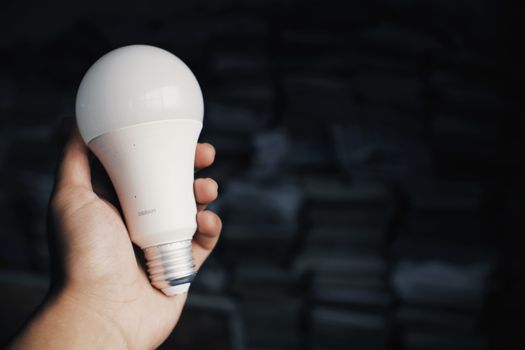
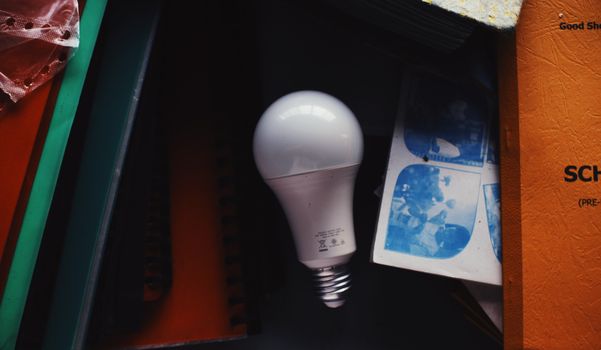
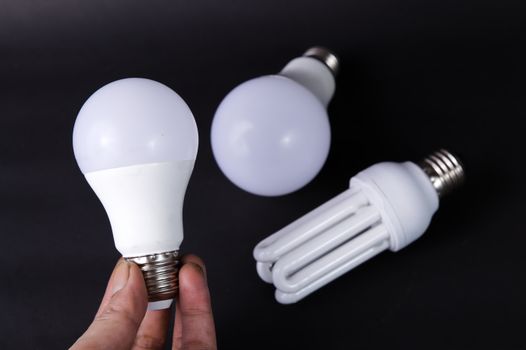
- Lumens (lm): This measures the total amount of visible light emitted by a source. The higher the lumens, the brighter the light. - Watts (W): This indicates power consumption, not brightness. LEDs require fewer watts to produce the same lumens compared to traditional bulbs. - Lux (lx): This measures illumination per square meter. One lux equals one lumen per square meter and helps determine how much light actually reaches a surface.For practical purposes, most lighting calculations focus on lumens and room size. For example, a traditional 60W incandescent bulb produces about 800 lumens, while an LED bulb can achieve the same brightness using only 8-12 watts.
.png)
Calculating How Much Light Your Space Needs
The ideal amount of light varies greatly between spaces and activities. The Illuminating Engineering Society (IES) provides recommended lux levels for different environments. Here’s a quick guide:
- Living rooms: 100–300 lux - Kitchens: 300–750 lux - Bathrooms: 250–600 lux - Offices: 300–500 lux - Hallways: 100–200 luxTo determine how many lumens you need, use this simple formula:
Lumens required = Room area (in square meters) × Lux level
For example, a 20 m² living room requiring 200 lux would need: 20 × 200 = 4,000 lumens
If using square feet, remember that 1 square meter = 10.76 square feet.
Room-by-Room LED Sizing Strategies
Let’s explore how to size LED lighting for some common spaces:
1. Living Rooms and Bedrooms: These spaces benefit from softer, ambient lighting. Aim for 100–300 lux, with the option to layer additional accent lighting. For a 15 m² bedroom at 150 lux, you would need 2,250 lumens. Spread this across multiple fixtures—such as ceiling lights, bedside lamps, and wall sconces—for flexibility and comfort. 2. Kitchens and Dining Areas: Here, brighter, more focused lighting is essential, especially over work surfaces. Kitchens may need up to 750 lux over countertops. For a 12 m² kitchen, this means up to 9,000 lumens in task areas, supported by lower-level ambient lighting elsewhere. 3. Bathrooms: Functional lighting is key, especially near mirrors. A typical 8 m² bathroom at 400 lux requires 3,200 lumens. Consider combining ceiling fixtures with LED strip lights or sconces for even coverage. 4. Offices and Workspaces: For productivity, offices should have 300–500 lux. A 10 m² home office at 400 lux needs 4,000 lumens. Use a blend of overhead and task lighting to reduce eye strain. 5. Hallways and Entryways: Lower levels suffice here—100–200 lux. For a 5 m² hallway at 150 lux, 750 lumens is enough, often handled with a single fixture.Comparison Table: Recommended LED Lumens by Room Size
To illustrate the differences, here’s a quick reference table:
| Space | Typical Room Size (m²) | Recommended Lux | Total Lumens Needed |
|---|---|---|---|
| Living Room | 20 | 200 | 4,000 |
| Kitchen (whole) | 12 | 400 | 4,800 |
| Kitchen (countertops) | 3 | 750 | 2,250 |
| Bedroom | 15 | 150 | 2,250 |
| Bathroom | 8 | 400 | 3,200 |
| Office | 10 | 400 | 4,000 |
| Hallway | 5 | 150 | 750 |
These numbers represent total lumens, which can be distributed across multiple fixtures for balanced, layered lighting.
Factoring in Ceiling Height, Color, and Fixture Type
Room size and lux levels are only part of the equation. Several additional factors can influence how much light you need:
- Ceiling Height: Standard calculations assume an 8-foot (2.4 m) ceiling. For higher ceilings, increase lumens by 20% per additional foot above standard. - Wall and Ceiling Color: Darker surfaces absorb more light, so increase total lumens by 10–20% for rooms with dark finishes. - Fixture Efficiency: Some fixtures, like recessed cans, may diffuse or block light. Check the fixture’s Light Output Ratio (LOR) and adjust calculations accordingly. - Light Temperature: Warm white (2700–3000K) works well for living spaces, while cool white (4000–5000K) suits task and work areas. Color temperature doesn’t affect brightness directly, but can influence perceived light quality.Special Considerations for Commercial and Specialty Spaces
Sizing LED lighting in commercial, retail, or specialty environments introduces new challenges:
- Retail Stores: Product displays often require 800–1,000 lux for maximum impact. Use adjustable LED spotlights to highlight merchandise. - Art Galleries: Sensitive items require precise, non-damaging illumination. LED fixtures with high color rendering (CRI 90+) and controlled lux (typically 200–400) protect artworks while showcasing their colors. - Warehouses: Safety standards recommend 100–200 lux for general aisles but up to 500 lux in packing or inspection zones. - Restaurants: Dining areas need ambiance (100–300 lux), but kitchens require 500+ lux for safe food preparation.Each use case benefits from careful lighting design, blending ambient, task, and accent lighting to achieve both function and atmosphere.
Practical Steps to Select and Install the Right LED Lighting
Ready to put theory into practice? Here’s a step-by-step process for properly sizing LED lighting:
1. Measure the Area: Calculate the square footage or square meters of each space. 2. Determine the Activity: Identify the recommended lux level based on usage. 3. Calculate Total Lumens: Multiply area by desired lux. 4. Choose Fixtures: Divide total lumens by the output of your chosen LED bulbs or fixtures (e.g., four 1,000-lumen downlights for a 4,000-lumen need). 5. Factor in Room Characteristics: Adjust for ceiling height, color, and fixture efficiency. 6. Plan for Layers: Combine ambient, task, and accent lighting for flexibility. 7. Use Dimmers and Smart Controls: These allow you to adapt lighting to different needs and times of day, enhancing comfort and reducing energy use.A real-world example: For a 25 m² open-plan kitchen-living area aiming for 300 lux, you’d need 7,500 lumens. This might be achieved with six 1,250-lumen ceiling fixtures, supplemented by under-cabinet LED strips for task lighting.
Why Properly Sizing LED Lighting Matters
Choosing the right size and configuration of LED lighting isn’t just about aesthetics—it’s about functionality, comfort, and sustainability. Oversized lighting leads to glare, energy waste, and higher bills, while undersized setups result in eye strain and frustration. According to the U.S. Department of Energy, LED lighting can reduce energy use by up to 75% compared to incandescent bulbs, but only if sized and placed correctly.
Proper sizing also extends fixture lifespan. LEDs are sensitive to heat and electrical load; using fewer, overly bright fixtures can shorten their expected life (which is otherwise 25,000–50,000 hours for most products).
In summary, investing the time to get sizing right pays off with better lighting quality, reduced energy consumption, and more inviting spaces—at home, at work, and in public environments.