The Future of LED Technology in Healthcare
Light Emitting Diode (LED) technology, initially popularized for its efficiency in lighting solutions, has significantly transcended its original applications to become a pivotal component in the healthcare sector. This transformative technology is not only revolutionizing the way we see and use light but also how we can harness it for therapeutic and medical diagnostics purposes. From improving the quality of life to pioneering new diagnostic methods, the future of LED technology in healthcare promises enhanced patient care and innovative treatment solutions.
The Rise of LEDs in Medical Environments
.png)
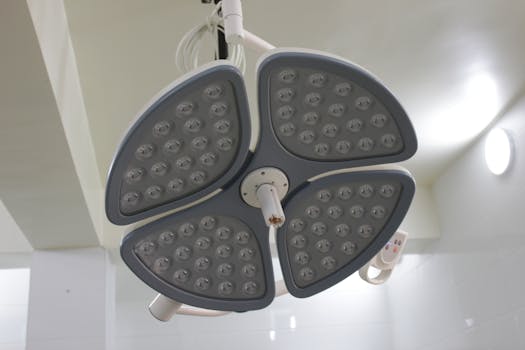
The initial appeal of LED technology in healthcare was largely due to its energy efficiency and durability. Hospitals and healthcare facilities, which operate 24/7, require a lighting solution that is both cost-effective and reliable. LEDs offer these advantages, along with improved light quality which contributes to better working environments for healthcare professionals and comfort for patients.
Moreover, the capability of LEDs to emit light at specific wavelengths has opened new avenues in patient care and treatment. This precise control over light wavelengths allows for the development of targeted therapies and tools that can be used in various aspects of medical treatment and diagnostics.
Therapeutic Applications of LED Technology
One of the most promising areas of LED application in healthcare is in phototherapy. This treatment involves exposing the body to specific wavelengths of light to treat medical conditions. A well-known example is the use of blue light therapy for treating neonatal jaundice, where LED lights help break down bilirubin in the blood, preventing severe hyperbilirubinemia.
Another therapeutic application of LEDs is in treating skin conditions. LEDs emitting red and near-infrared light are used to stimulate collagen production, aiding in skin rejuvenation and healing. This non-invasive treatment method has gained popularity for its efficacy and safety profile, making it a preferred choice in dermatological therapies.
LEDs in Medical Diagnostics
The precision and control over light emission that LEDs provide have made them invaluable in diagnostic equipment. LED technology is utilized in devices such as endoscopes and otoscopes, where bright and focused light is essential for detailed internal examinations. Moreover, advancements in LED technology have facilitated the development of portable diagnostic devices, enabling point-of-care testing and examinations that are faster and more accessible.
LEDs are also crucial in imaging techniques. For example, specific wavelengths of LED light are used in fluorescence microscopy, where they help in imaging cells and tissues by causing certain compounds to fluoresce. This application is vital for research and diagnostics, allowing for detailed visualization of structures that cannot be achieved with standard lighting methods.
Future Prospects: Integration with Other Technologies
Looking ahead, the integration of LED technology with other emerging technologies such as IoT (Internet of Things) and AI (Artificial Intelligence) holds significant potential. In the context of IoT, LED lighting systems in hospitals can be integrated with sensors to monitor environmental conditions and patient movements. This integration can lead to smarter, more responsive lighting that enhances patient safety and comfort.
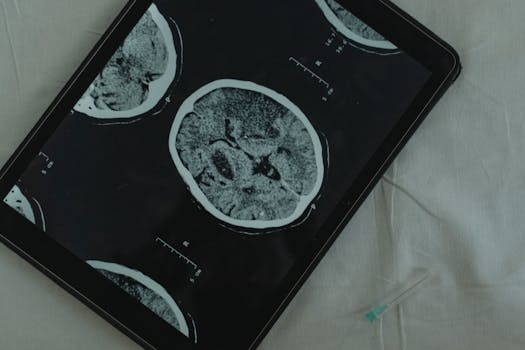
In the realm of AI, LEDs can be used in conjunction with machine learning algorithms to improve diagnostic accuracy. For instance, AI can analyze the data gathered from LED-based imaging to detect abnormalities or patterns that may not be visible to the human eye. This synergy could lead to earlier and more accurate diagnoses, particularly in fields like oncology and neurology.
Challenges and Considerations
Despite the promising future, the integration of LED technology in healthcare does not come without challenges. Issues such as technical limitations, costs of implementation, and the need for standardized regulations are hurdles that need to be addressed. Furthermore, as with any technology used in healthcare, ensuring patient safety and the ethical use of technology are paramount.
Conclusion
The future of LED technology in healthcare is bright, with its potential only beginning to be tapped. As research continues and technology advances, LEDs are set to revolutionize the medical field by improving diagnostic capabilities, enhancing patient care, and creating more efficient healthcare environments. With ongoing innovation and responsible implementation, LED technology will continue to play a crucial role in shaping the future of healthcare.