Hospitals and clinics are places where healing and comfort are paramount. While the expertise of healthcare professionals and the quality of care are crucial, the environment itself plays a significant role in patient recovery and well-being. Among the many factors shaping this environment, lighting is one of the most influential—affecting everything from mood and sleep cycles to staff alertness and even infection control. In recent years, LED lighting has emerged as a powerful tool for creating therapeutic spaces in healthcare settings. But how exactly does LED lighting support a therapeutic environment in hospitals and clinics? Let’s explore the science, benefits, and real-world impact of LEDs on patient care.
The Science of Light and Healing in Healthcare Settings
Light is more than just a necessity for visibility; it’s a biological cue that affects our bodies in profound ways. Exposure to certain lighting conditions can influence circadian rhythms, mood, alertness, and even pain perception. According to a study published in the Journal of Clinical Sleep Medicine, patients exposed to brighter, cooler light during the day reported better sleep quality and faster recovery than those exposed to dimmer lighting.
LED lighting stands out because of its flexibility. Unlike traditional fluorescent or incandescent bulbs, LEDs can be precisely tuned for brightness, color temperature, and even wavelength. This tunability makes LEDs uniquely suited to support the science-backed principles of therapeutic lighting, such as:
.png) - Mimicking natural daylight to regulate circadian rhythms
- Reducing glare and visual strain
- Minimizing flicker that can trigger headaches or stress
- Providing calm, soothing colors in patient rooms and waiting areas
- Mimicking natural daylight to regulate circadian rhythms
- Reducing glare and visual strain
- Minimizing flicker that can trigger headaches or stress
- Providing calm, soothing colors in patient rooms and waiting areas
The result is a lighting system that can be tailored to the needs of every patient and healthcare professional, creating a truly patient-centered environment.
Enhancing Patient Recovery Through Human-Centric Lighting
One of the most significant benefits of LED lighting in hospitals and clinics is its ability to support human-centric lighting strategies. Human-centric lighting refers to lighting that aligns with the natural biological needs of individuals, supporting well-being, mood, and health outcomes.
For example, research from the Lighting Research Center found that implementing dynamic LED lighting systems in patient rooms improved patient satisfaction by 25% and reduced average hospital stays by nearly half a day. This is attributed to:
- Simulating sunrise and sunset to help patients maintain a stable sleep-wake cycle - Providing brighter light during the day to promote alertness and mood - Using warmer, dimmer light in the evening to cue relaxation and sleepIn neonatal intensive care units (NICUs), studies have shown that babies exposed to cycled LED lighting gain weight faster and have shorter hospital stays compared to those under constant lighting conditions. This demonstrates the profound impact that well-designed lighting can have on vulnerable patients.
Improving Staff Performance and Safety with LEDs
Therapeutic environments in healthcare must also consider the well-being and performance of medical staff. Nurses, doctors, and support staff often work long or irregular shifts, which can disrupt their circadian rhythms and increase the risk of fatigue-related errors.
LED lighting can be programmed to adjust throughout the day, supporting staff alertness and reducing the likelihood of mistakes. According to a 2022 survey by the American Society for Healthcare Engineering, 68% of hospitals that upgraded to tunable LED lighting reported improved staff satisfaction and a 15% reduction in reported fatigue.
Additionally, well-lit workspaces are essential for accurate diagnostics, medication preparation, and safe movement within the facility. LEDs offer high color rendering index (CRI) values, ensuring that colors appear natural and accurate—critical for identifying symptoms like skin discoloration or blood oxygen levels.
Comparing LED Lighting to Traditional Hospital Lighting
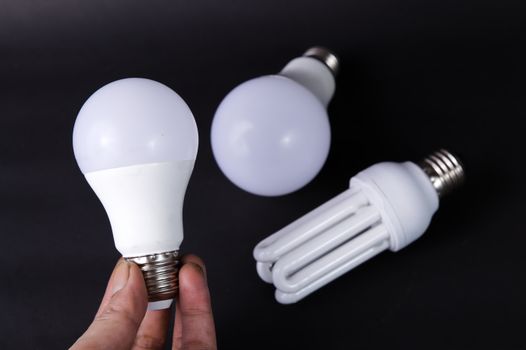
How do LED lighting systems measure up against traditional lighting options like fluorescent and incandescent bulbs in the context of therapeutic environments? The advantages are compelling and measurable. Below is a comparison table highlighting key differences relevant to healthcare settings:
| Feature | LED Lighting | Fluorescent Lighting | Incandescent Lighting |
|---|---|---|---|
| Energy Efficiency | Up to 80% more efficient | Moderate efficiency | Least efficient |
| Adjustable Color Temperature | Highly customizable (2000K–6500K+) | Limited options | Fixed (usually warm) |
| Flicker | Virtually flicker-free | Can flicker, causing discomfort | No flicker, but short lifespan |
| Glare Control | Advanced optical diffusers | Prone to glare | Minimal glare, but less control |
| Lifespan | 25,000–50,000+ hours | 10,000–20,000 hours | 1,000–2,000 hours |
| Impact on Circadian Rhythms | Can be tuned to support natural cycles | Limited impact | Limited impact |
| Mercury Content | None | Contains mercury | None |
LEDs clearly outperform older lighting technologies in almost every metric that matters for healthcare environments, from energy savings and lifespan to the ability to fine-tune light for therapy.
Supporting Infection Control and Hygiene
Infection control is a top priority in hospitals and clinics. Traditional lighting systems often harbor dust, are difficult to clean, or even contain hazardous materials like mercury. LED lighting fixtures, on the other hand, are designed with hygiene and safety in mind:
- Many LED fixtures have smooth, sealed surfaces that are easy to wipe and disinfect - LEDs do not contain glass tubes or hazardous chemicals, reducing the risk of contamination if a fixture breaks - Some advanced LED systems integrate ultraviolet (UV-C) LEDs that can help disinfect air and surfaces, further supporting sterile environmentsA 2021 study in the American Journal of Infection Control found that hospital rooms equipped with UV-C LED lighting saw a 35% reduction in surface bacterial contamination compared to rooms using standard lighting.
Creating Calming and Welcoming Spaces for Patients and Families
A hospital or clinic can feel intimidating or stressful, especially for patients facing serious diagnoses or procedures. The right lighting can help alleviate anxiety and create a sense of calm—an essential component of the healing process.
LED lighting systems can be programmed for soft transitions, soothing colors, and even interactive experiences. For example:
- Pediatric wards often use customizable LED lighting with playful colors and patterns to make the environment less frightening for children. - Waiting areas can feature warm, indirect LED illumination to reduce stress for families and visitors. - Patient rooms can offer personal lighting controls, empowering patients to adjust their environment to their comfort.A survey conducted by Healthcare Design magazine in 2023 reported that 81% of patients felt more at ease in hospital spaces that used modern LED lighting with adjustable settings, compared to those with fixed, harsh fluorescent lighting.
Real-World Examples: LEDs Transforming Healthcare Environments
Leading hospitals and clinics around the world are embracing LED lighting for its therapeutic benefits. Some notable examples include:
- At the Cleveland Clinic, dynamic LED lighting systems in patient rooms mimic the natural progression of daylight, leading to higher patient satisfaction scores and improved sleep patterns. - The University Medical Center of Groningen in the Netherlands introduced tunable white LED lighting in its oncology wards, resulting in a 30% reduction in patient-reported anxiety and discomfort. - Children’s hospitals in the United States, such as Nemours Children’s Hospital in Florida, use LED lighting with color-changing options to create interactive, comforting spaces for young patients.These case studies highlight how LED lighting goes beyond efficiency—it actively supports the healing journey.
Final Thoughts on LED Lighting’s Role in Therapeutic Hospital Environments
The move toward LED lighting in hospitals and clinics is much more than a trend—it’s a response to mounting evidence that the physical environment has a direct impact on healing and well-being. With the ability to adjust color, brightness, and even integrate disinfection technologies, LEDs are uniquely positioned to create therapeutic spaces that support both patients and healthcare professionals.
From improved sleep and mood to better infection control and staff performance, the benefits of LED lighting are tangible and far-reaching. As healthcare continues to evolve, investing in thoughtful, human-centric lighting is an essential step toward truly patient-centered care.