LED Lighting in Commercial Design: How to Create Attractive Sales Spaces
In today’s fiercely competitive retail landscape, captivating customers is as much about ambiance as it is about products. The right lighting doesn’t just illuminate merchandise—it influences shopper behavior, mood, and even sales. Enter LED lighting: a transformative tool for commercial designers looking to create stunning, energy-efficient, and highly adaptable sales spaces. With the global LED lighting market valued at over $75 billion in 2023 and expected to grow rapidly, it’s clear that businesses are recognizing the importance of cutting-edge lighting solutions. This article explores how LED lighting empowers commercial design, from strategic product displays to immersive brand experiences, ensuring your sales environment stands out and drives results.
The Power of First Impressions: LED Lighting’s Role in Retail Atmosphere
First impressions are formed in as little as seven seconds, and lighting is one of the most immediate and impactful elements shoppers notice upon entering a store. Studies show that 80% of consumers consider lighting a key factor in their overall shopping experience. Unlike traditional fluorescent or halogen fixtures, LEDs offer superior color rendering, consistent brightness, and customizable effects that can instantly elevate a commercial environment.
LEDs allow designers to control color temperature (measured in Kelvin), which can dramatically alter the feel of a space. Warm white LEDs (2700K–3000K) create an inviting, cozy atmosphere ideal for boutiques or luxury stores, while cool white LEDs (4000K–5000K) lend a crisp, modern edge suitable for high-tech electronics or automotive showrooms.
.png)
By layering different LED lighting types—such as ambient, accent, and task lighting—designers can guide customer flow, highlight key areas, and create visually engaging focal points. For example, a jewelry retailer might use high-CRI (Color Rendering Index) LEDs in display cases to make diamonds sparkle, while a sports apparel shop might install dynamic LED strips to energize the space and draw attention to featured merchandise.
Strategic Zoning: Guiding Customer Journeys With LEDs
One of the greatest advantages of LED technology is its ability to create distinct zones within a single commercial space, each tailored to specific functions or target demographics. Through careful placement and adjustment, LEDs enable designers to choreograph the customer journey from entrance to checkout.
For instance, a supermarket may use bright, evenly distributed overhead LEDs in the produce section to convey freshness and cleanliness, while employing warmer, dimmable LEDs in the wine and cheese area to encourage browsing and relaxation. In fashion retail, spotlights equipped with adjustable beam angles can be trained on new arrivals or seasonal collections, ensuring they stand out without overwhelming the overall ambiance.
A 2021 report by Retail Dive found that stores using dynamic lighting to define shopping zones saw a 12% increase in customer dwell time and a 7% boost in average transaction value. By combining sensors and smart controls, LEDs can even respond to foot traffic, automatically brightening high-traffic zones or dimming quieter corners to optimize both energy use and customer experience.
Showcasing Merchandise: Enhancing Color, Texture, and Appeal
Merchandise presentation is at the heart of commercial design, and LEDs are uniquely equipped to make products look their best. With CRI ratings of 90 or higher, modern LED fixtures reveal true colors and intricate textures that less advanced lighting can distort or dull. This is crucial for retailers selling fashion, cosmetics, home décor, or any product where appearance drives purchasing decisions.
Consider a cosmetics store: LED downlights with a high CRI can ensure foundation shades look accurate on skin, reducing returns and boosting customer satisfaction. In grocery stores, specialized LEDs with enhanced red spectrum can make meats and fruits appear fresher and more appetizing. The ability to fine-tune LED lighting by product category means retailers can create visually cohesive displays that reinforce brand identity.
Moreover, LEDs emit minimal heat and no harmful UV rays, protecting sensitive merchandise like artwork, leather goods, or gourmet foods from fading or spoilage. This preservation benefit is a significant advantage over traditional incandescent or halogen lights, which can degrade products over time.
Flexibility and Innovation: Customizable LEDs for Brand Storytelling
Modern retail is about more than just selling products—it’s about creating memorable experiences that connect with customers on an emotional level. LED lighting’s flexibility opens up new avenues for creative expression and brand storytelling, enabling designers to craft immersive environments that reinforce brand values and narratives.
RGB LEDs (capable of producing millions of colors) can be used for dramatic color-changing effects, allowing stores to adapt their look for holidays, special promotions, or even hourly mood shifts. Interactive LED installations, such as responsive wall panels or floor lighting, can engage customers and encourage social sharing—key drivers of word-of-mouth marketing in the Instagram era.
Flagship stores for brands like Nike and Apple have embraced programmable LED displays to create ever-changing digital canvases, blending lighting with multimedia content. Even smaller retailers can benefit from LED tape lights, lightboxes, or illuminated signage to reinforce brand colors and motifs.
The use of LED technology in visual merchandising is not just a trend—it’s a proven driver of sales. According to a 2022 study by the International Journal of Retail & Distribution Management, stores that invested in advanced LED lighting for experiential zones reported a 14% increase in repeat visits compared to those using static, traditional lighting.
Energy Efficiency and Cost Savings: Why LEDs Are the Smart Choice
While aesthetics and flexibility are important, no discussion of LED lighting in commercial design would be complete without considering operational efficiency. LEDs consume up to 75% less energy than incandescent bulbs and last up to 25 times longer, translating into substantial savings on both electricity and maintenance.
For large retail chains, switching to LED can reduce annual lighting costs by tens of thousands of dollars. For example, Target reported saving over $2 million per year after upgrading 1,800 stores to LED lighting. Additionally, LEDs are fully compatible with smart building systems, enabling further savings through automated dimming, scheduling, and occupancy detection.
The environmental benefits are significant as well: widespread LED adoption in U.S. commercial buildings could cut carbon emissions by nearly 100 million metric tons annually, according to the Department of Energy. This aligns with growing consumer demand for eco-friendly businesses and can be a strong selling point for brands committed to sustainability.
Comparing Commercial Lighting Technologies: Why LEDs Lead
To illustrate just how far LED lighting has come compared to traditional commercial lighting options, consider the following table:
| Lighting Technology | Average Lifespan (hours) | Energy Use (watts for same output) | Color Rendering Index (CRI) | Heat Emission | Typical Applications |
|---|---|---|---|---|---|
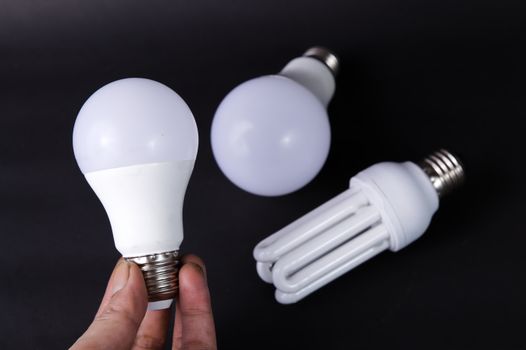
| LED | 25,000–50,000 | 10–20 | 80–98 | Very Low | All commercial spaces |
| Fluorescent | 7,000–15,000 | 15–40 | 60–90 | Moderate | Offices, supermarkets |
| Halogen | 2,000–4,000 | 35–70 | 95–100 | High | Accent lighting, displays |
| Incandescent | 750–2,000 | 60–100 | 95–100 | Very High | Decorative, specialty |
As the table shows, LEDs offer unmatched longevity, efficiency, and versatility, making them the clear choice for modern commercial design.
Final Thoughts: Elevating Sales Spaces with LED Innovation
In the fast-paced world of commercial design, standing out means more than just stocking great products—it requires crafting a memorable and inviting environment. LED lighting gives designers and retailers a powerful toolkit for shaping ambiance, guiding customer journeys, and showcasing merchandise in its best light. With superior energy efficiency, flexibility, and visual quality, LEDs are reshaping sales spaces around the globe.
Whether you’re building a flagship retail destination or refreshing a neighborhood boutique, investing in the right LED lighting solutions can translate directly to higher sales, greater customer satisfaction, and a more sustainable business. As technology advances, the creative potential of LEDs will only continue to grow—ensuring that the brightest sales spaces are always one step ahead.