LED Technology in Advertising: Shaping the Future of Visual Communication
Walk through any major city or attend a major event, and it's impossible to miss how LED technology is transforming the advertising world. From dazzling billboards in Times Square to dynamic digital displays at sports arenas, LED (Light Emitting Diode) technology has emerged as the backbone of modern advertising. This article dives deep into how LED technology is revolutionizing advertising, exploring its applications, benefits, innovations, and what sets it apart from traditional display solutions.
The Evolution of Advertising Displays: From Print to LED
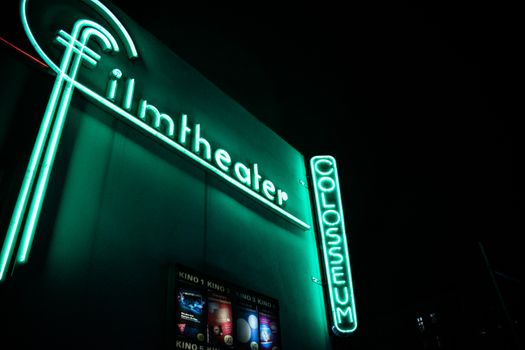
Advertising has come a long way from static posters and painted signs. For decades, advertisers relied on print, neon, and fluorescent lighting to attract attention. While these methods had their moments, they were limited in flexibility, creativity, and energy efficiency.
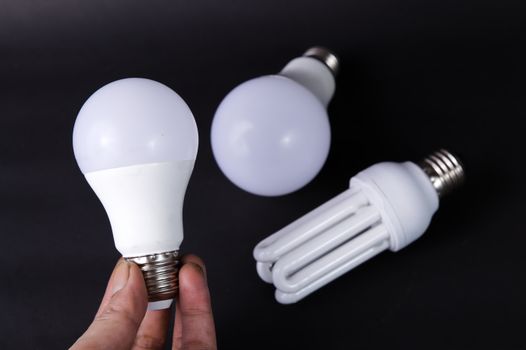
The turning point came with the advent of LED technology in the late 20th century. Unlike traditional bulbs, LEDs use a semiconductor to emit light, offering brighter illumination, longer lifespans, and greater energy efficiency. By 2019, the global LED display market was valued at over $5.5 billion, and industry reports project it to grow at a CAGR of 13.2% through 2027. Leading cities worldwide have now replaced aging neon signs with LED-based digital billboards, enabling advertisers to present vivid, animated, and even interactive content.
.png)
Key Applications of LED Technology in Advertising
LED displays have found a wide range of applications in the advertising industry, transforming how brands engage with audiences. Here are some of the most prominent uses:
Outdoor LED Billboards: These high-resolution screens dominate urban skylines, delivering vibrant messages to thousands of passersby every hour. Unlike static boards, LED billboards can rotate multiple ads, display video, and update content remotely in real time.
Indoor Digital Displays: Shopping malls, airports, and conference centers use LED screens for targeted advertising, wayfinding, and interactive promotions. According to a 2022 report, over 65% of US airports have adopted LED-based digital signage.
Transit Advertising: Buses, taxis, and subways now feature LED panels, making campaigns mobile and flexible. For example, London’s famous black cabs often sport LED roof signs that can be updated based on location and time.
Event and Stadium Screens: Major sports events rely on massive LED scoreboards and perimeter displays for both advertising and real-time game information. The 2022 FIFA World Cup featured over 2,500 square meters of LED display screens across its venues.
Retail Window Displays: High-end retailers leverage transparent LED screens in shop windows, allowing dynamic ads without obstructing the view of products inside.
These diverse applications showcase how LED technology has become an integral part of advertising strategies in nearly every public and commercial space.
Advantages of LED Advertising over Traditional Methods
Why have advertisers rapidly embraced LED technology? The benefits are compelling and measurable:
Vividness and Visibility: LED screens deliver superior brightness, color accuracy, and contrast, ensuring messages are visible even in direct sunlight or challenging weather. Studies show that digital billboards using LEDs are up to 400% brighter than traditional backlit posters.
Dynamic Content: Advertisers can run video, animations, and real-time updates, dramatically increasing engagement. In fact, research by Nielsen found that digital billboards generate 47% higher recall rates than static signs.
Remote Control and Flexibility: LED displays can be updated instantly via software, enabling marketers to respond to trends, events, or emergencies without physical changes.
Energy Efficiency: LEDs consume up to 80% less energy than neon or incandescent lights, reducing operating costs and environmental impact. For example, converting all of Times Square’s displays to LED has saved an estimated 1.2 million kilowatt-hours annually.
Durability and Longevity: LEDs typically last for over 50,000 hours of continuous use—far outpacing other lighting technologies and minimizing maintenance.
Below is a comparison table highlighting the key differences between LED displays and traditional advertising solutions:
| Feature | LED Displays | Traditional (Neon/Print) |
|---|---|---|
| Brightness | High (visible in daylight) | Moderate to low |
| Content Flexibility | Video, animation, real-time updates | Static images/text |
| Energy Consumption | Low (up to 80% less) | High |
| Lifespan | 50,000+ hours | 10,000-30,000 hours (neon) |
| Maintenance | Minimal | Frequent (bulb/gas replacement) |
| Interactivity | Possible (touch, sensors, social media integration) | Not possible |
Innovative Trends: Interactivity and Personalization
Modern LED advertising is not just about displaying messages—it's about creating engaging experiences. Thanks to advances in technology, interactivity and personalization have become central themes.
Interactive LED Displays: Some billboards now use cameras and sensors to customize content based on age, gender, or even mood. For example, a Coca-Cola campaign in Singapore used facial recognition to display personalized greetings and offers.
Social Media Integration: Brands can link their LED ads to live social media feeds, displaying tweets, hashtags, or user-generated content in real time. This approach has been shown to increase social engagement by up to 30% during major campaigns.
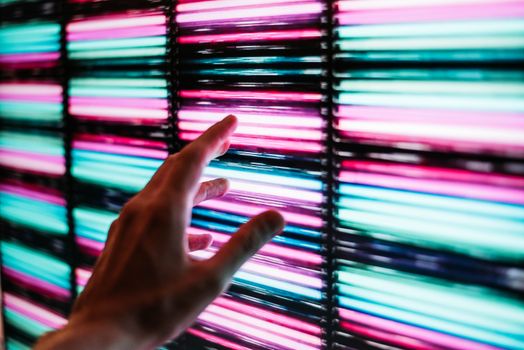
Touch and Gesture Control: Interactive kiosks at malls and transit hubs allow users to browse catalogs, play games, or request information via touchscreens or gesture recognition.
Data-Driven Campaigns: With built-in analytics, advertisers can track impressions, dwell times, and engagement directly from LED displays, allowing for rapid optimization. According to a 2023 survey by Grand View Research, 78% of marketers using digital signage cited real-time analytics as a key advantage over traditional media.
Such innovations are not only making advertising more memorable but also more measurable—a vital factor in today's ROI-driven marketing landscape.
Environmental Impact and Sustainability
As cities and brands focus on sustainability, LED technology offers significant environmental advantages. Here’s how:
Reduced Energy Usage: As previously mentioned, LEDs use up to 80% less power than traditional light sources. For large installations, this translates to tens of thousands of kilowatt-hours saved annually.
Lower Carbon Footprint: Reduced energy use means fewer greenhouse gas emissions, helping advertisers and venues meet sustainability goals.
Less Waste: With lifespans reaching over a decade, LEDs require fewer replacements, minimizing electronic waste compared to neon or fluorescent alternatives.
Non-Toxic Materials: Unlike neon lights, which contain gases like argon and mercury, LEDs are free of hazardous substances, making disposal safer and recycling easier.
Some cities, such as Los Angeles, have actively encouraged the replacement of traditional billboards with LED versions, citing both economic and environmental benefits. In fact, the city reported a 34% reduction in energy costs for public advertising after the switch.
Future Directions: Smart Cities and Beyond
The future of LED advertising is closely tied to the rise of smart cities and the Internet of Things (IoT). As urban environments become more connected, LED displays are evolving into intelligent, networked systems.
Programmatic Advertising: Soon, dynamic pricing and automated content scheduling will allow advertisers to bid for LED screen time in real time, maximizing exposure during peak periods.
Integration with Urban Data: Traffic flows, weather conditions, and local events can trigger contextual ads on public LED screens. For example, an umbrella brand might automatically run ads when rain is detected nearby.
Augmented Reality (AR): Combining LEDs with AR technology could turn storefronts or billboards into immersive experiences, allowing passersby to interact with products virtually.
Flexible and Transparent LEDs: Advances in materials are enabling ultra-thin, flexible, and transparent LED panels, opening new possibilities for curved surfaces, wearable displays, and even vehicle wraps.
According to MarketsandMarkets, the global market for digital-out-of-home (DOOH) advertising—primarily powered by LED displays—is projected to reach $26.2 billion by 2027, underlining the technology’s central role in the future of advertising.
How LED Technology is Redefining Advertising Impact
From the world’s busiest intersections to the screens in our local shopping malls, LED technology has fundamentally changed how brands communicate with audiences. Its unique combination of vividness, flexibility, efficiency, and innovation makes it an indispensable tool in the modern advertiser’s toolkit. As cities evolve and technology advances, expect LED displays to become even more interactive, sustainable, and seamlessly integrated into our daily lives.